 EN

What Should Buyers Know Before Ordering Living Room Rugs?
2026/11/02
Struggling to choose the right living room rugs? Avoid costly mistakes with expert insights on size, material, durability, style & care. Get your perfect rug.
Custom living room rugs have become essential design elements for professionals managing large-scale projects, whether residential developments, hospitality spaces, or corporate environments. Unlike off-the-shelf options, living room rugs tailored to specific project requirements deliver consistency, aesthetic cohesion, and functional performance that standard inventory simply cannot match. When you choose custom solutions, you gain control over dimensions, materials, colors, and patterns, ensuring every detail aligns with your project vision and client expectations.
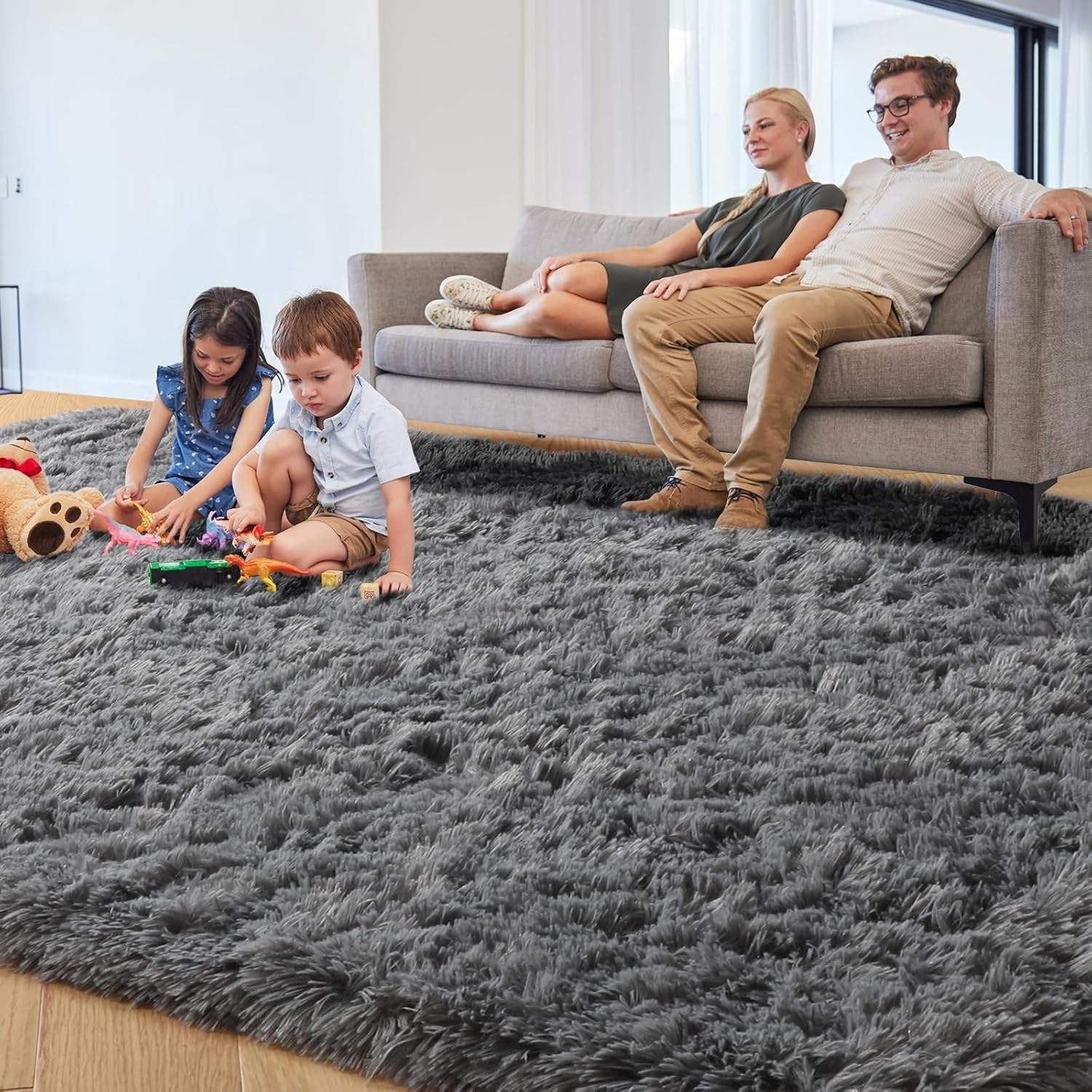
The decision to invest in custom rugs extends beyond aesthetics. Project managers, interior designers, and facility coordinators recognize that area rugs serve multiple functions: defining spaces, improving acoustics, enhancing safety through non-slip properties, and reinforcing brand identity or design themes. Custom living room rugs allow you to integrate specific requirements such as durability standards, maintenance protocols, sustainability certifications, or specialized materials that match your project scope and budget constraints. This article explores the compelling reasons why custom solutions outperform generic alternatives across diverse project types.
Custom living room rugs empower designers to create unified interior narratives across entire projects. Whether designing a corporate office, boutique hotel, or residential community, your rug specifications must coordinate seamlessly with wall treatments, furniture, lighting, and architectural elements. Standard area rugs force compromises on color palettes, dimensions, or patterns, often requiring workarounds that dilute the overall design intent. Custom rugs eliminate this friction by adapting to your exact specifications, whether you need specific pantone matches, bespoke pattern scales, or branded geometric motifs. This flexibility ensures that living room rugs become intentional design anchors rather than afterthoughts sourced from limited inventory.
Many hospitality, retail, and corporate projects rely on rugs to communicate brand values and environmental storytelling. Custom options allow you to incorporate specific imagery, color coding, or material selections that reinforce your project narrative. Luxury residential developers, for example, often select custom area rugs that reflect neighborhood character or architectural heritage. Corporate lobbies benefit from rugs featuring company colors or abstract patterns aligned with brand positioning. Custom living room rugs transform passive flooring elements into active branding tools, creating memorable experiences for visitors and residents while differentiating your project in competitive markets.
Different project environments demand different rug specifications. High-traffic commercial spaces require durability standards that consumer-grade rugs cannot sustain. Custom living room rugs can be engineered with commercial-grade fibers, reinforced backing systems, and specialized weaving techniques designed for your exact traffic patterns and maintenance schedules. Healthcare facilities, educational institutions, and hospitality venues benefit from custom area rugs with stain-resistant treatments, antimicrobial properties, or fire-safety certifications tailored to regulatory requirements. Non-slip backing can be integrated for senior living communities or spaces where fall prevention is critical. This performance customization ensures your rugs outlast generic alternatives while meeting compliance and safety obligations specific to your project type.
Facility managers appreciate custom rugs because they can specify materials and constructions aligned with realistic maintenance budgets and schedules. Some projects benefit from solution-dyed synthetic fibers that resist permanent staining and fade, while others prioritize natural wool options for warmth and acoustic benefits despite higher maintenance demands. Custom living room rugs allow you to make informed trade-offs between initial investment, ongoing maintenance costs, replacement timelines, and performance expectations. This strategic planning reduces total cost of ownership compared to purchasing cheaper rugs that require frequent replacement or costly restoration efforts.
Large-scale projects rarely operate on the inventory timelines of retail rug suppliers. Custom orders ensure you secure quantities needed for your entire project without competing for limited stock or accepting substitutions that compromise your design specifications. Whether you need twenty identically matched rugs for a senior living community or specific dimensions for an unconventional space, custom living room rugs eliminate inventory uncertainties. Working directly with manufacturers or specialized custom rug suppliers gives you priority access to materials and production schedules aligned with your project timeline, reducing delays and ensuring coordinated delivery across all project phases.
Custom area rugs establish clear accountability throughout the design, manufacturing, and delivery process. You can specify material sourcing, inspect samples before full production, and establish quality standards that protect your project reputation. Unlike purchasing generic rugs where you accept whatever arrives, custom solutions provide documentation, performance guarantees, and recourse options if products fail to meet specifications. This transparency is especially valuable for high-profile projects, premium residential developments, or commercial environments where quality shortfalls directly impact client satisfaction and brand perception.
While custom rugs often carry higher upfront costs than generic alternatives, they deliver superior long-term value by eliminating design compromises that require expensive modifications, reducing replacement frequency through better durability matching, and minimizing waste from purchasing incorrect sizes or colors. For large projects, bulk custom orders often achieve per-unit pricing comparable to retail inventory while delivering exactly what you need rather than settling for approximate matches.
Production timelines vary depending on complexity, order volume, and materials chosen. Standard custom orders typically require 6–12 weeks from design approval to delivery, though expedited options exist for additional costs. Planning ahead and coordinating with suppliers early in your project timeline ensures custom area rugs arrive when needed without creating schedule delays or disrupting installation sequences.
Yes, custom rugs can be engineered to meet virtually any third-party certification including fire safety standards, antimicrobial requirements, eco-friendly material standards, or accessibility specifications. Communicate your compliance needs clearly when specifying custom area rugs, and manufacturers will incorporate appropriate materials, treatments, and testing documentation to ensure your project meets regulatory obligations and client expectations.

2026/11/02
Struggling to choose the right living room rugs? Avoid costly mistakes with expert insights on size, material, durability, style & care. Get your perfect rug.

2026/11/03
Worried about infant falls during crawling? Discover how cushioned baby play mats absorb impact, and support motor development. Get expert safety tips now.

2026/11/04
Struggling with messy spills and tummy time needs? Discover waterproof, sensory, and tummy-time-optimized play mat surface. Compare materials now.

2026/11/05
Can a kids play mat reduce noise? Discover how thickness, foam density & full coverage deliver real acoustic relief. Get the guide.

2026/11/06
Why do kids slip on tile, laminate & polished wood? Discover how premium non-slip play mats anchor securely AND absorb impact. Boost safety.

2026/11/09
Tired of scrubbing stains and battling odors? Discover the 5 key kids play mat features—waterproof surfaces, washable covers, non-slip grip. See what makes maintenance effortless.

