 EN

What Should Buyers Know Before Ordering Living Room Rugs?
2026/11/02
Struggling to choose the right living room rugs? Avoid costly mistakes with expert insights on size, material, durability, style & care. Get your perfect rug.
A baby play mat is far more than a decorative floor covering. It serves as a critical developmental tool that encourages movement, provides cushioning against falls, and creates a defined safe zone where infants can explore their environment with confidence. As babies transition from rolling to sitting, crawling, and eventually standing, the right play surface becomes essential to their physical development and injury prevention. A quality baby floor mat combines comfort, safety, and durability to support these early milestone moments while giving parents peace of mind.
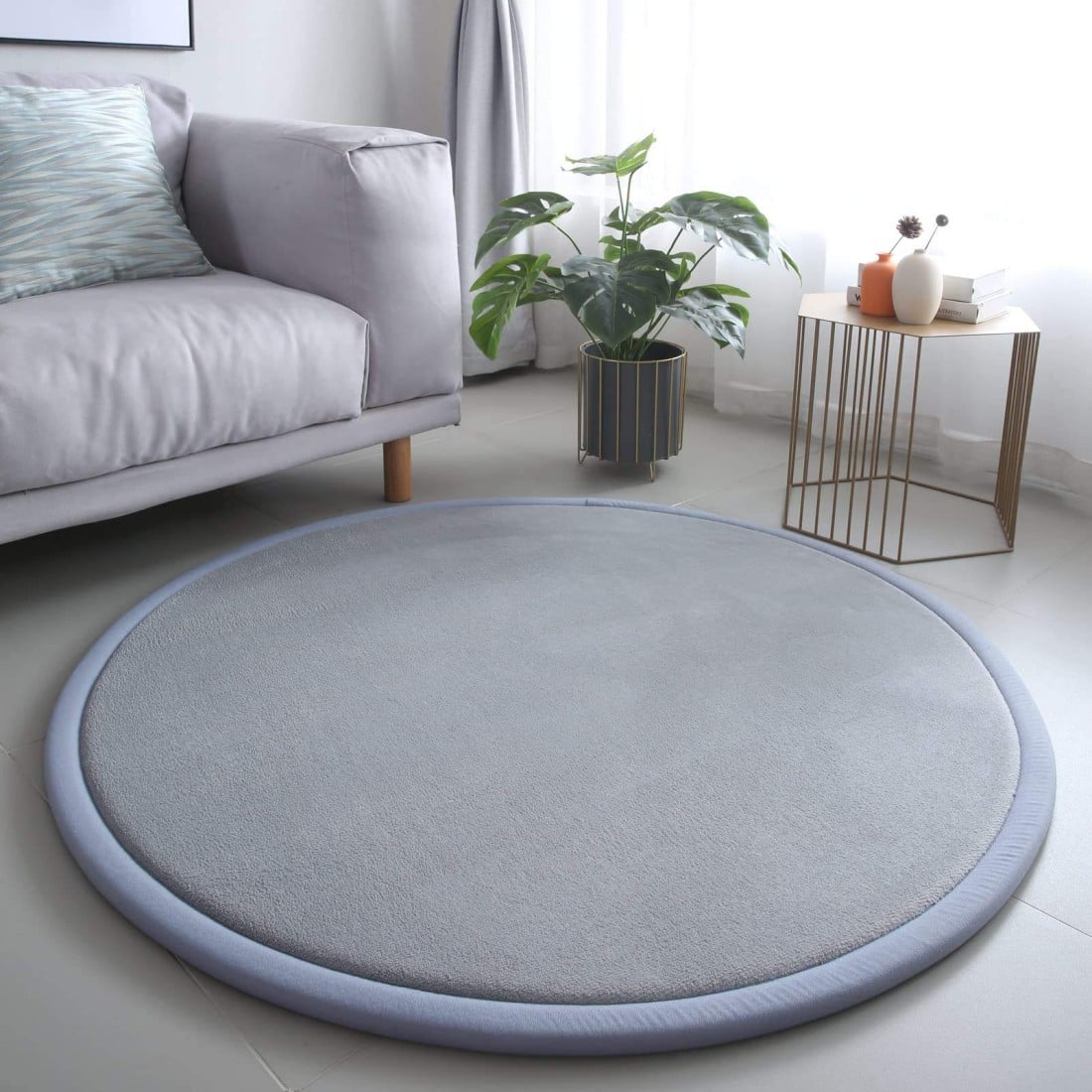
The cushioned baby mat addresses one of the primary concerns for caregivers: protecting infants during the critical period when they are learning motor control but lack coordination and balance. Falls are a normal part of development, but a cushioned surface dramatically reduces impact force and the risk of serious injury. Beyond protection, an infant play area designed with proper padding encourages babies to spend more time on the floor, which strengthens muscles, builds confidence, and facilitates natural learning through play and exploration.
The primary function of a cushioned baby mat is to absorb the force of falls and impacts. When a baby loses balance while crawling or attempting to stand, a padded baby floor mat reduces the shock transmitted to the head, spine, and joints. This cushioning layer acts as a protective barrier between the infant and the hard floor beneath, significantly lowering the risk of bumps, bruises, and more serious injuries. The thickness and density of the padding directly influence how effectively the mat absorbs impact, making material quality crucial when selecting an infant play area for your home.
Babies who practice crawling and standing on a cushioned surface develop greater confidence in their physical abilities. When infants feel secure on a well-padded baby floor mat, they are more willing to attempt new movements and take risks necessary for motor skill development. This confidence translates to faster learning, more active play, and stronger muscle development. A waterproof baby play mat with adequate cushioning becomes an inviting space where babies naturally gravitate to move, play, and discover their growing physical capabilities without the fear of painful falls.
A reliable cushioned baby mat should be constructed from non-toxic, baby-safe materials that meet rigorous safety standards. The fabric covering must be durable enough to withstand constant use, spills, and washing cycles. A waterproof baby play mat prevents moisture from penetrating to the padding underneath, which protects against mold growth, odor accumulation, and deterioration of the cushioning material. Look for mats that are free from harmful chemicals, phthalates, and off-gassing compounds that could pose respiratory or skin irritation risks to your infant.
The effectiveness of a baby floor mat depends significantly on the thickness and density of its padding. A mat that is too thin offers minimal protection against falls, while excessively thick padding can create stability challenges for babies learning to balance. Most experts recommend a cushioned baby mat with padding between one-half inch and one inch thick, depending on the underlying floor surface. Harder floors, such as tile or concrete, benefit from thicker padding, while carpeted areas may require less substantial cushioning. The material density should be firm enough to provide support during movement but soft enough to offer genuine shock absorption during falls.
An effective infant play area requires sufficient size for a baby to move freely without constantly reaching the mat's edges. Most child development experts recommend a play surface of at least four by six feet for crawling infants, though larger dimensions provide more exploration space. The shape and design of a baby play mat also matter; defined edges create a clear boundary that helps contain toys, defines the safe play zone, and prevents babies from crawling onto harder flooring. A waterproof baby play mat with raised edges or contrasting borders makes the play area more visually apparent and helps parents supervise the designated space more effectively.
A waterproof baby play mat simplifies cleaning and maintenance, which is essential when dealing with spills, diaper accidents, and food debris. The waterproof barrier prevents liquids from seeping into the padding, making the mat easy to wipe clean and sanitize. Unlike traditional rugs that absorb moisture and become breeding grounds for bacteria and mold, a quality baby floor mat can be quickly cleaned with mild soap and water. This easy maintenance extends the mat's lifespan and ensures a hygienic environment for your infant, who spends extended periods directly on the surface.
Babies playing on hard floors experience significant heat loss through direct contact with cold surfaces, which can be uncomfortable during cooler months. A cushioned baby mat provides an insulating layer that maintains thermal comfort, allowing infants to play longer without becoming chilled. The padding also creates a softer tactile experience that babies naturally prefer over hard flooring. A well-designed infant play area remains comfortable and inviting throughout the year, whether used indoors during winter or in shaded outdoor spaces during warmer seasons, making it a versatile tool for supporting continuous developmental play.
Beyond safety and comfort, a baby floor mat reduces noise in your home. Crawling, rolling, and the dropping of toys create significant noise on hard floors, but a cushioned surface absorbs much of this sound. This acoustic benefit helps maintain a calmer household environment and reduces disruption during playtime. A visually attractive baby play mat also integrates seamlessly into home decor, making it a practical solution that parents can leave out permanently rather than storing and retrieving constantly, ensuring the mat is always available when infants need a safe space to play and develop.
A purpose-designed baby floor mat differs fundamentally from ordinary rugs because it combines specific safety features, adequate cushioning, waterproof protection, and developmental support tailored for infants. Regular rugs lack the shock-absorbing padding necessary to protect against falls, often absorb liquids and harbor bacteria, and may contain harmful chemicals not suitable for babies. A cushioned baby mat manufactured to safety standards ensures proper material composition, sufficient thickness, and durability to withstand the demands of daily infant play. The waterproof barrier and easy-clean surface make maintenance simple, while the intentional design supports rather than merely tolerates infant activity.
The ideal thickness for a baby play mat depends on your home's flooring type and the infant's age and mobility level. For hard surfaces like tile, wood, or concrete, a waterproof baby play mat should be at least three-quarter inch thick to provide meaningful impact absorption. For already-carpeted floors, a thinner cushioned baby mat of one-half inch may suffice since the underlying carpet adds additional padding. As babies progress from rolling to crawling to standing, slightly thicker padding becomes beneficial because falls occur from greater heights and with more force. Testing the mat by kneeling and gently pressing on the surface gives parents a practical sense of whether the cushioning feels adequately protective and supportive for their infant play area.
Yes, a quality waterproof baby play mat is excellent for outdoor use and travel because its water-resistant properties protect against moisture from grass, damp patios, or unexpected spills. The portability of a baby floor mat makes it ideal for taking to parks, gardens, or travel destinations where you want to provide a safe, familiar play surface for your infant. The easy-clean waterproof design means you can quickly rinse the mat after outdoor use, making it substantially more practical than traditional fabric play areas that would trap dirt and moisture. The cushioned baby mat's lightweight construction in many designs allows parents to roll it up and transport it easily, making it a valuable investment for families who want consistent fall protection and hygienic play environments wherever their infant needs to play and develop.

2026/11/02
Struggling to choose the right living room rugs? Avoid costly mistakes with expert insights on size, material, durability, style & care. Get your perfect rug.

2026/11/04
Struggling with messy spills and tummy time needs? Discover waterproof, sensory, and tummy-time-optimized play mat surface. Compare materials now.

2026/11/05
Can a kids play mat reduce noise? Discover how thickness, foam density & full coverage deliver real acoustic relief. Get the guide.

2026/11/06
Why do kids slip on tile, laminate & polished wood? Discover how premium non-slip play mats anchor securely AND absorb impact. Boost safety.

2026/11/09
Tired of scrubbing stains and battling odors? Discover the 5 key kids play mat features—waterproof surfaces, washable covers, non-slip grip. See what makes maintenance effortless.

