 EN

How Does a Baby Play Mat Cushion Crawling and Early Falls?
2026/11/03
Worried about infant falls during crawling? Discover how cushioned baby play mats absorb impact, and support motor development. Get expert safety tips now.
Selecting the right living room rugs is one of the most important decisions when furnishing a home. These pieces anchor your space aesthetically while serving practical functions like insulation, sound absorption, and defining distinct zones within an open floor plan. Before you place an order, understanding the critical factors that influence quality, performance, and long-term satisfaction will help you make a purchase you won't regret.
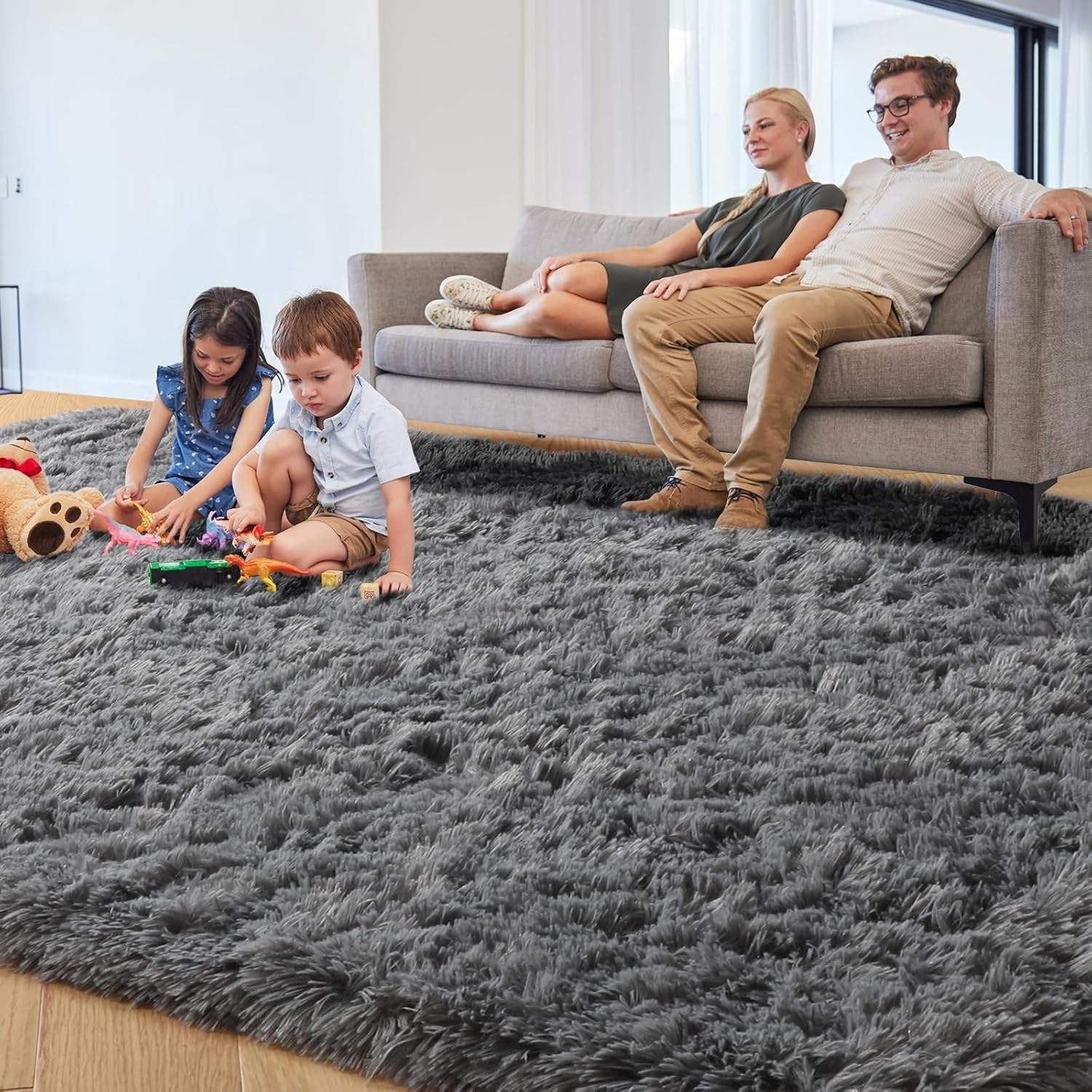
Most buyers focus narrowly on color and pattern when shopping for living room rugs, overlooking dimensions that determine whether the rug actually enhances the room's proportions and layout. This guide walks you through the essential considerations that separate a mediocre purchase from a thoughtful investment that transforms your living space.
Size represents the first critical decision when selecting living room rugs. A common mistake is buying a rug that's too small, which visually fragments the room rather than unifying it. Measure your living room carefully, accounting for furniture placement and traffic patterns. Most design professionals recommend that at least the front legs of major seating pieces rest on the rug to create visual cohesion. For smaller rooms, an 8x10 or 9x12 living room rugs dimension works well, while larger open-concept spaces benefit from 10x14 or custom oversized options.
The relationship between rug size and room dimensions matters significantly. A living room rugs piece should occupy roughly 50 to 75 percent of the room's floor space to avoid looking lost or disconnected. Position the rug so that it anchors seating arrangements while allowing adequate walking space around edges. This creates a defined gathering zone that makes the room feel intentional and organized, rather than scattered across an undersized mat.
Living room rugs come in natural and synthetic fibers, each with distinct maintenance requirements and durability profiles. Wool remains the premium choice due to its natural stain resistance, softness, and longevity, though it commands higher prices. Synthetic materials like polypropylene offer budget-friendly alternatives with excellent durability under heavy foot traffic. Blended fibers can provide balanced performance, combining natural aesthetics with practical washability. Before ordering, consider your household's activity level, presence of children or pets, and realistic maintenance capacity.
The way living room rugs are constructed directly affects how they wear over time. Hand-tufted and hand-knotted options deliver superior longevity and maintain appearance through decades of use, though they require higher initial investment. Machine-made rugs offer consistent quality and affordability but may show wear patterns faster in high-traffic zones. Pay attention to pile height and density when comparing options. Plush, high-pile living room rugs feel luxurious underfoot but collect dust and show footprints more easily. Lower-pile alternatives resist visible traffic marks and simplify maintenance routines.
Choosing a color for living room rugs requires balancing personal preference with practical longevity. Neutral tones like grays, beiges, and charcoal hide dirt between cleanings and coordinate with evolving decor changes over years. Bold patterns and rich jewel tones create striking focal points but demand more careful styling to avoid visual conflict with existing furnishings. Consider your wall colors, upholstery choices, and architectural elements before selecting living room rugs. A sample or swatch viewed in your actual lighting conditions often differs dramatically from showroom impressions, so request samples when possible.
Trendy patterns on living room rugs date quickly, while classic geometric, Persian, and solid designs maintain appeal across years and style shifts. If you prefer contemporary aesthetics, subtly textured solids or understated geometric patterns offer modern visual interest without locking you into seasonal color trends. Damask, floral, and ornate patterns suit traditional or eclectic interiors but may limit future redesign flexibility. Think about your long-term vision for the room before committing to distinctive patterned living room rugs that could clash with future furniture or wall treatments.
Understanding maintenance demands prevents disappointment after your purchase arrives. Natural fiber living room rugs require gentler cleaning methods and professional services to avoid damage, adding to lifetime ownership costs. Synthetic options withstand aggressive vacuuming and spot-cleaning treatments, making them practical for busy households. Investing in protective treatments at purchase time can extend the lifespan of living room rugs significantly, particularly in homes with children, pets, or heavy entertaining. Always review the manufacturer's care guidelines and confirm they align with your realistic cleaning commitment before ordering.
Quality living room rugs represent significant purchases that should last 10 to 15 years with proper care. Budget alternatives may need replacement every 5 to 7 years as pile flattening and wear become visible. Environmental factors like sunlight exposure, humidity levels, and indoor climate control affect how living room rugs age. Rooms with direct sunlight exposure risk color fading, while overly dry environments can cause fiber brittleness. Understanding these conditions helps you select materials and colors that gracefully age in your specific home environment rather than deteriorating prematurely.
For typical living room layouts with a sofa and chairs, an 8x10 or 9x12 rug works well for medium-sized rooms. Larger open spaces benefit from 10x14 or custom dimensions. The key guideline is ensuring that at least the front legs of major furniture pieces rest on the rug to create visual unity. This proportional placement makes the room feel designed and intentional rather than cluttered with undersized rugs.
Natural fiber living room rugs like wool offer luxury feel and natural stain resistance but demand careful maintenance and higher investment. Synthetic options provide excellent durability, affordability, and easy cleaning for busy households. Your choice depends on household activity levels, pet presence, budget constraints, and how much time you realistically dedicate to care. Blended fibers offer compromise between aesthetics and practical maintenance.
Timeless designs like solid neutrals, subtle geometric patterns, and classic motifs maintain appeal across years and style shifts, while bold trendy patterns date quickly. Consider your willingness to update decor periodically when choosing living room rugs. If you prefer stability and flexibility for future changes, neutral or understated patterned options provide better long-term value. Distinctive styles work beautifully in homes where owners embrace frequent redesign cycles.

2026/11/03
Worried about infant falls during crawling? Discover how cushioned baby play mats absorb impact, and support motor development. Get expert safety tips now.

2026/11/04
Struggling with messy spills and tummy time needs? Discover waterproof, sensory, and tummy-time-optimized play mat surface. Compare materials now.

2026/11/05
Can a kids play mat reduce noise? Discover how thickness, foam density & full coverage deliver real acoustic relief. Get the guide.

2026/11/06
Why do kids slip on tile, laminate & polished wood? Discover how premium non-slip play mats anchor securely AND absorb impact. Boost safety.

2026/11/09
Tired of scrubbing stains and battling odors? Discover the 5 key kids play mat features—waterproof surfaces, washable covers, non-slip grip. See what makes maintenance effortless.

