 EN

What Should Buyers Know Before Ordering Living Room Rugs?
2026/11/02
Struggling to choose the right living room rugs? Avoid costly mistakes with expert insights on size, material, durability, style & care. Get your perfect rug.
Selecting the right baby play mat involves more than aesthetics and comfort. Parents need surfaces that support developmental activities, withstand daily wear, and clean up quickly when accidents happen. The surface material directly affects how easily you maintain the mat, how well it supports tummy time, and whether it provides the sensory stimulation growing infants need.
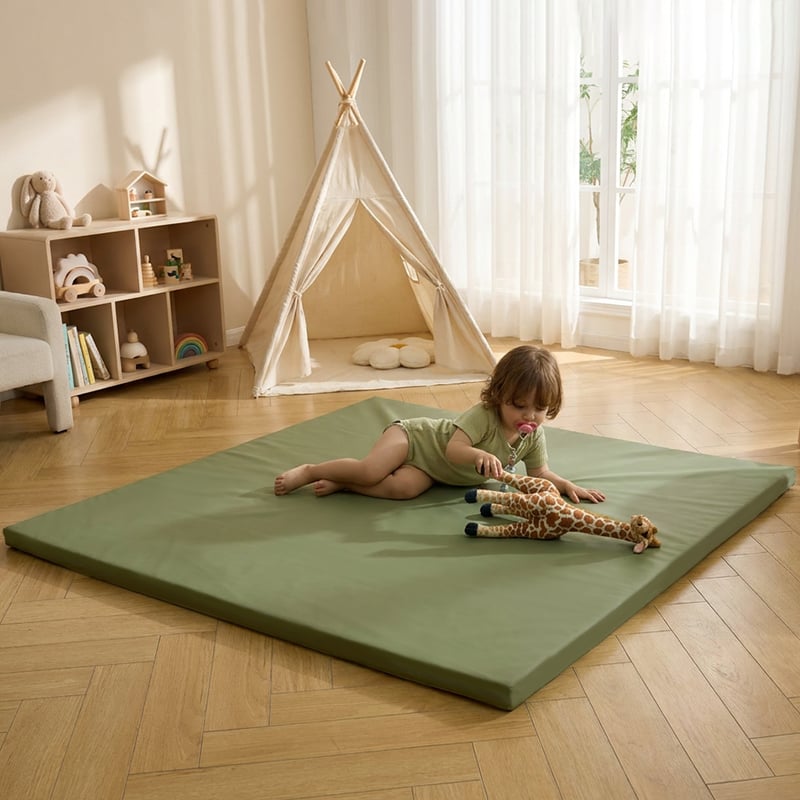
The choice between different play mat surfaces fundamentally shapes your parenting experience. An easy clean play mat with waterproof backing prevents liquid damage, while a tummy time surface encourages neck and core development. A baby sensory mat adds developmental value through varied textures. Understanding these surface options helps you choose a mat that balances cleaning convenience with your child's developmental needs and your household lifestyle.
A waterproof baby play mat addresses the core concern of most modern parents: mess management. Waterproof backing materials, typically PU leather or polyurethane-coated fabrics, create a moisture barrier that prevents liquids from seeping into the foam core. This design choice transforms accidental spills and diaper leaks from destructive incidents into simple surface-level cleanup tasks. The waterproof layer also extends the mat's lifespan by preventing mold and mildew growth that would otherwise develop in moisture-trapped foam.
An easy clean play mat surface should wipe down in seconds with a damp cloth or gentle cleanser. PU leather and microfiber top surfaces excel at this function because they resist liquid absorption and don't trap food particles in fibers. Cotton and fleece surfaces, while softer for sensory purposes, require more aggressive cleaning and dry more slowly. Understanding these trade-offs helps you decide whether maximum cleaning ease or maximum sensory benefit matters more for your specific situation.
A tummy time surface should provide adequate support while encouraging safe movement and exploration. The surface density and thickness directly affect how well your baby's developing neck, shoulders, and core muscles work during prone play. Mats with moderate cushioning—typically 0.5 to 1 inch of foam—provide comfortable support without excessive sinking that could restrict breathing or movement. Additionally, the tummy time surface should offer enough grip that babies don't slide excessively when rolling or pushing up.
Parents often face a dilemma: soft, plush surfaces feel comfortable for tummy time but are harder to clean. A baby sensory mat with a waterproof top layer solves this problem by combining a cushioned, textured base with an easy-clean protective surface. This hybrid approach lets infants experience tactile stimulation and comfortable support while you maintain the mat easily when spit-up or food debris accumulates during play sessions.
A baby sensory mat goes beyond basic padding by incorporating varied textures that engage touch, sight, and even sound. Crinkle fabrics, raised patterns, and contrasting colors stimulate neural development during the critical early months when infants explore the world primarily through physical contact. However, these added textures create cleaning challenges because particles lodge in raised areas and seams. The ideal waterproof baby play mat solution combines sensory elements with a protective surface that prevents debris from embedding into textured zones.
Premium designs for an easy clean play mat often include removable, washable covers that separate from the core cushioning. This modular approach lets you machine-wash the top layer regularly while keeping the foam base clean and dry. A baby sensory mat with a removable waterproof cover maintains its sensory value through the base layer while ensuring the most-contact surface stays hygienic. This feature particularly benefits households with multiple children or where the mat sees heavy daily use.
Your family's routine determines which surface priorities matter most. Households with frequent messy activities—eating, drinking, or extended outdoor play brought indoors—benefit most from a waterproof baby play mat with PU leather surfaces and minimal texture. Families focused on developmental benefits might prioritize a baby sensory mat even if cleaning takes slightly longer. A tummy time surface in households with one child through their first three months might emphasize comfort over waterproofing, while families with multiple young children need maximum durability and easy cleaning.
Where you place your easy clean play mat influences surface choice. Kitchen or dining room play areas benefit from maximum waterproof protection because spills are frequent. Bedroom tummy time areas can prioritize comfort and sensory engagement because spills are less likely. A waterproof baby play mat works in any location, making it the safest multi-purpose choice if you move the mat between rooms during the day or expect it to last through multiple children over several years.
Yes, a waterproof baby play mat is safe from newborn through toddler years, provided the mat has no detachable parts and meets safety standards. The waterproof backing poses no health risks; in fact, it reduces mold growth that could trigger allergies. Always verify that your chosen mat complies with relevant safety certifications and avoid mats with loose decorative elements that could become choking hazards.
Clean your easy clean play mat whenever visible spills or debris occur, and perform a thorough surface cleaning weekly if used daily. A waterproof baby play mat with PU leather surfaces needs only a quick wipe-down for spills and a gentle weekly wash. If your mat includes removable fabric components, wash these monthly or more frequently if soiled. Regular maintenance keeps both the surface and underlying foam in optimal condition.
Yes, many baby sensory mat designs now include waterproof backing layers beneath or integrated with sensory textures. A quality waterproof baby play mat with a baby sensory mat feature combines protective functionality with developmental benefits. Look for models with layered construction where the sensory elements sit above a waterproof barrier, allowing you to enjoy both the sensory benefits and easy cleaning advantages in one product.

2026/11/02
Struggling to choose the right living room rugs? Avoid costly mistakes with expert insights on size, material, durability, style & care. Get your perfect rug.

2026/11/03
Worried about infant falls during crawling? Discover how cushioned baby play mats absorb impact, and support motor development. Get expert safety tips now.

2026/11/05
Can a kids play mat reduce noise? Discover how thickness, foam density & full coverage deliver real acoustic relief. Get the guide.

2026/11/06
Why do kids slip on tile, laminate & polished wood? Discover how premium non-slip play mats anchor securely AND absorb impact. Boost safety.

2026/11/09
Tired of scrubbing stains and battling odors? Discover the 5 key kids play mat features—waterproof surfaces, washable covers, non-slip grip. See what makes maintenance effortless.

