 EN

What Should Buyers Know Before Ordering Living Room Rugs?
2026/11/02
Struggling to choose the right living room rugs? Avoid costly mistakes with expert insights on size, material, durability, style & care. Get your perfect rug.
Parents today understand that proper infant development requires intentional planning and investment in quality products. The tummy time mat has emerged as one of the most sought-after baby products for parents committed to their child's physical development and milestone achievement. This specialized product addresses a critical need during a child's first year of life, making it a staple in nurseries across the globe.
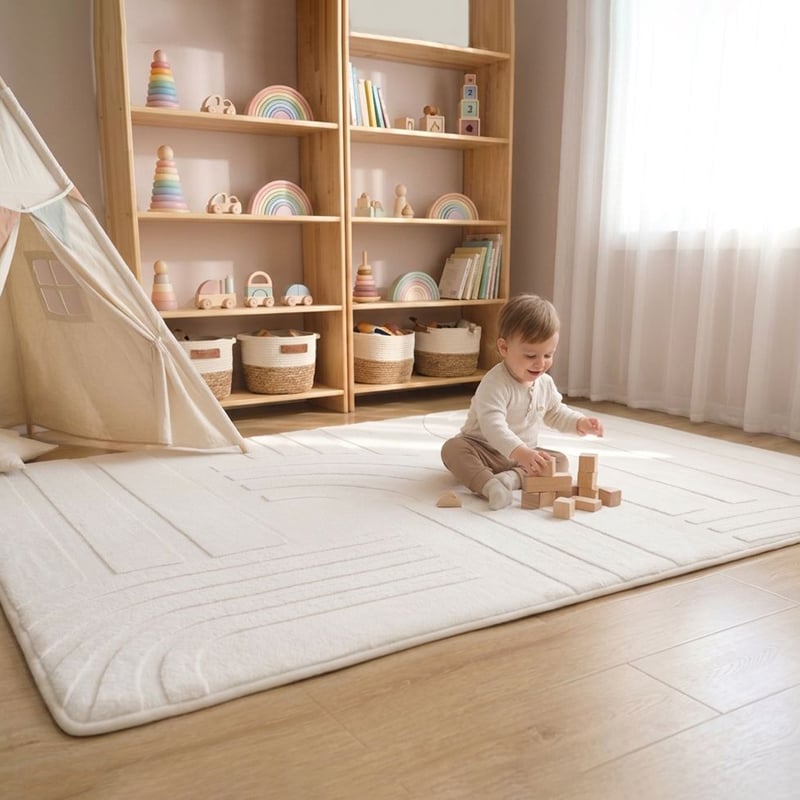
The popularity of the tummy time mat reflects a growing awareness among parents about developmental milestones and pediatric health recommendations. Health professionals consistently advocate for tummy time as a preventive measure against flat head syndrome while strengthening core muscles essential for crawling and sitting. As awareness spreads through parenting communities and healthcare networks, demand for specialized tummy time mat products continues to rise, making them one of the fastest-growing categories in baby care.
Infants placed on a tummy time mat begin building essential muscle groups from their earliest weeks. Neck strength develops as babies lift their heads, followed by shoulder and arm muscles as they push against the mat's surface. The tummy time mat provides a comfortable, safe foundation that encourages this natural progression without strain or discomfort. As muscles strengthen over months of consistent tummy time mat use, babies develop the foundational strength needed for rolling, crawling, and eventually walking.
Parents recognize that these developmental gains cannot be replicated through passive activities or less structured play environments. A quality tummy time mat offers the right balance of cushioning and support, reducing resistance while the baby works against gravity to build strength. This targeted muscle development is why pediatricians recommend daily tummy time, and why parents invest in specialized equipment rather than using standard blankets or sheets.
Back sleeping recommendations have dramatically reduced Sudden Infant Death Syndrome, but they increased the incidence of positional plagiocephaly, commonly known as flat head syndrome. A quality tummy time mat provides the solution by creating dedicated time when infants are safely positioned on their stomachs. During these sessions, the back of the head is relieved of constant pressure, allowing natural head shape development. Parents using a tummy time mat actively prevent this common condition without medical intervention.
The preventive aspect of tummy time mat use appeals strongly to parents seeking non-invasive developmental care. Rather than waiting to address flat head syndrome after it develops, families implement tummy time mat routines from the early weeks. This proactive approach aligns with modern parenting philosophy that emphasizes prevention and early intervention in child development.
Today's tummy time mat products incorporate advanced materials designed for both comfort and safety. Soft, non-toxic fabrics protect delicate skin while providing enough cushioning to make the experience pleasant rather than uncomfortable for the infant. Manufacturers understand that babies are more likely to enjoy and benefit from tummy time when the surface feels pleasant rather than hard or cold. High-quality tummy time mat designs consider temperature regulation, moisture management, and durability through countless uses and cleanings.
Parents prioritize safety certifications and material transparency when selecting a tummy time mat, knowing their infant will spend significant time in direct contact with the product. Premium tummy time mat options meet international safety standards and undergo rigorous testing for harmful substances. This commitment to safety builds trust with consumer bases, making quality a key driver of market popularity.
Modern parents appreciate baby products that complement their home decor rather than stand out as clinical or utilitarian equipment. The tummy time mat market has responded by offering designs in various colors, patterns, and materials that blend seamlessly with contemporary interiors. This aesthetic consideration transforms the tummy time mat from a functional necessity into a stylish home accessory, encouraging parents to keep it accessible in living spaces rather than storing it away.
The popularity of aesthetically pleasing tummy time mat options reflects broader consumer expectations that baby products should enhance rather than detract from home environments. Families are more likely to use a tummy time mat consistently when it occupies a prominent, appealing place in their daily living areas. This design evolution has contributed significantly to market growth by removing an adoption barrier that previously discouraged regular use.
Digital platforms have amplified awareness of infant development best practices, with parenting communities actively sharing experiences with tummy time mat products. Parent influencers and pediatric health advocates frequently discuss the importance of tummy time and recommend specialized products in their networks. This peer-to-peer endorsement carries significant weight with new parents seeking trusted guidance on major purchases and development practices. The tummy time mat has benefited tremendously from organic word-of-mouth amplification through digital channels.
Online parenting forums and social media groups provide spaces where parents share photos, tips, and product recommendations related to tummy time mat use. These communities validate the importance of tummy time while helping parents troubleshoot challenges and maximize developmental benefits. The collective knowledge and shared experiences make tummy time mat adoption feel like participating in a widespread movement toward intentional, evidence-based parenting.
Pediatricians and child development specialists increasingly recommend dedicated tummy time mat products during infant wellness visits. These professional endorsements carry authority that influences purchasing decisions, as parents trust medical guidance above marketing claims. When healthcare providers specifically discuss tummy time mat benefits during postpartum visits, they validate the investment and encourage parents to prioritize this developmental practice from the earliest weeks.
The alignment between professional recommendations and consumer demand creates a strong feedback loop that sustains tummy time mat market growth. Parents feel confident purchasing products endorsed by trusted healthcare sources, while manufacturers develop innovations that further support professional recommendations. This symbiotic relationship between medical advice and product development has established the tummy time mat as a mainstream baby care category.
Babies can begin tummy time on a mat from birth, starting with just a few minutes daily under close supervision. Most parents introduce structured tummy time mat sessions around two to three weeks of age, gradually increasing duration as the infant strengthens. By three months, babies typically tolerate longer periods on a tummy time mat, though sessions should remain supervised. Always follow pediatrician guidance regarding appropriate duration and frequency for your infant's specific developmental stage.
Pediatricians typically recommend tummy time on a mat during multiple sessions throughout the day, working toward one to two hours total by three months of age. Starting with just a few minutes and gradually increasing duration prevents frustration while building tolerance. Consistency matters more than duration, so spreading tummy time mat practice across several brief sessions often yields better results than attempting longer single sessions. Many parents find scheduling tummy time mat use after diaper changes or during active play periods helps establish routine habit.
A specialized tummy time mat provides optimal cushioning, moisture management, and washability features that standard blankets cannot offer. Quality tummy time mat products feature materials and designs specifically engineered for infant comfort and development support. The structured thickness and textured surface of a tummy time mat encourage engagement better than smooth fabrics, while safety certifications ensure materials meet infant-specific standards. Many parents find dedicated tummy time mat products encourage more consistent use due to their specialized design and obvious developmental purpose.

2026/11/02
Struggling to choose the right living room rugs? Avoid costly mistakes with expert insights on size, material, durability, style & care. Get your perfect rug.

2026/11/03
Worried about infant falls during crawling? Discover how cushioned baby play mats absorb impact, and support motor development. Get expert safety tips now.

2026/11/04
Struggling with messy spills and tummy time needs? Discover waterproof, sensory, and tummy-time-optimized play mat surface. Compare materials now.

2026/11/05
Can a kids play mat reduce noise? Discover how thickness, foam density & full coverage deliver real acoustic relief. Get the guide.

2026/11/06
Why do kids slip on tile, laminate & polished wood? Discover how premium non-slip play mats anchor securely AND absorb impact. Boost safety.

2026/11/09
Tired of scrubbing stains and battling odors? Discover the 5 key kids play mat features—waterproof surfaces, washable covers, non-slip grip. See what makes maintenance effortless.

