 EN

What Should Buyers Know Before Ordering Living Room Rugs?
2026/11/02
Struggling to choose the right living room rugs? Avoid costly mistakes with expert insights on size, material, durability, style & care. Get your perfect rug.
Modern parenting demands solutions that balance safety, convenience, and comfort for infants and toddlers. The playpen mat has emerged as one of the most sought-after products among contemporary parents, and for valid reasons rooted in practical necessity and developmental awareness. Parents today recognize that a quality playpen mat serves as more than just a cushioned surface; it represents a foundational investment in their child's safety, comfort, and developmental space. Understanding the factors driving this popularity reveals insights into modern parenting priorities and the evolving standards for infant care products.
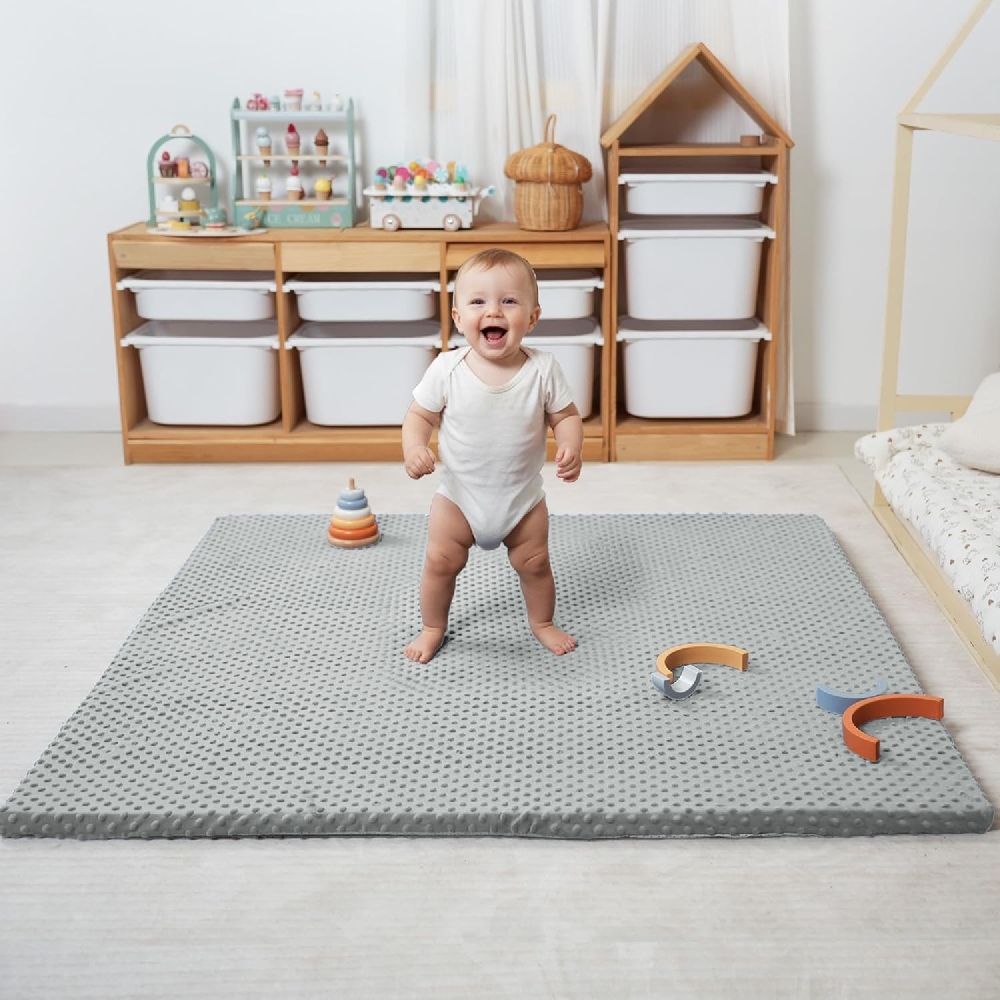
The popularity of playpen mat products reflects a fundamental shift in how parents approach childcare infrastructure. A playpen mat provides a designated, protected environment where infants can explore, play, and rest under parental supervision. This specialized product addresses the unique needs of growing babies while giving parents the peace of mind that comes from knowing their child occupies a safe, clean space. The combination of practical benefits, aesthetic appeal, and developmental support has positioned the playpen mat as an indispensable item in modern nurseries and households.
One of the primary reasons parents invest in a playpen mat is its role in injury prevention. A quality playpen mat cushions impacts during the inevitable tumbles and falls that occur as babies learn to sit, crawl, and eventually walk. The padded structure of a playpen mat absorbs shock energy, significantly reducing the risk of head injuries and bruising. Parents recognize that while children will fall, a properly designed playpen mat can mean the difference between a minor tumble and a serious injury. This protective capability makes the playpen mat a critical element of safe play environments.
Beyond cushioning, a playpen mat serves as a hygienic barrier between the infant and underlying flooring. Babies frequently put hands and objects in their mouths, making direct contact with floors a legitimate hygiene concern. A playpen mat creates a cleanable, dedicated surface that isolates the child from dust, bacteria, and contaminants present on household floors. Many modern playpen mat options feature removable covers that can be easily washed, addressing parental concerns about maintaining cleanliness in childcare spaces. This hygiene advantage resonates particularly with health-conscious parents who want to minimize exposure to potential pathogens during critical developmental years.
A well-designed playpen mat provides ergonomic support that adapts to an infant's changing physical needs. As babies progress from lying down to sitting to crawling, the cushioned surface of a playpen mat maintains appropriate support throughout these developmental stages. The material composition of quality options provides firmness where needed for proper spinal alignment while offering enough give for comfort during extended play sessions. Parents value this developmental alignment because it supports healthy motor skill progression and provides a foundation for safe physical activity. The playpen mat essentially acts as a customized play surface that accommodates rapid changes in infant capabilities.
Contemporary playpen mat products often incorporate varied textures and sensory elements that support cognitive development. Infants explore their world through touch, and a playpen mat with diverse fabric textures, patterns, and interactive elements provides valuable sensory stimulation. Some modern playpen mat designs include crinkly sounds, raised patterns, or different material zones that encourage tactile exploration and auditory engagement. Parents recognize that these features transform a simple playpen mat from a passive cushion into an active developmental tool, making it an intelligent investment in their child's early learning environment.
Modern homes often lack dedicated play areas, making a playpen mat valuable for creating defined spatial zones within open-concept living spaces. A playpen mat visually and physically demarcates a protected area where infants can play independently while parents manage household responsibilities. This spatial definition helps older siblings understand boundaries, teaches infants about their designated play area, and enables parents to maintain supervision without constant direct interaction. The playpen mat essentially becomes an organizational tool that solves real spatial challenges in contemporary home environments, making it appealing to parents juggling multiple children and limited square footage.
Many families today maintain fluid lifestyles that involve frequent moves between locations—visiting grandparents, traveling, or managing multiple residences. A portable playpen mat provides consistent comfort and safety regardless of setting, supporting both child stability and parental peace of mind. Lightweight options can be easily transported and deployed in various environments, from vacation homes to extended family gatherings. This portability advantage has driven significant popularity among active families who refuse to compromise their travel or social plans because of childcare logistics. Parents value products that adapt to their lifestyle rather than constraining their family's rhythm.
The evolution of playpen mat design has transformed these functional items into aesthetically appealing home furnishings. Modern parents seek products that complement their interior design preferences rather than appearing as utilitarian baby gear. Manufacturers have responded by offering playpen mat options in varied colors, patterns, and materials that coordinate with contemporary home décor. This aesthetic evolution has expanded the playpen mat's appeal beyond purely functional considerations, making it an acceptable and even desirable element of modern family spaces. Parents appreciate when childcare products integrate seamlessly into their homes rather than creating visual disruption.
Advances in material technology have enhanced playpen mat performance through improved cushioning, durability, and safety certifications. Modern playpen mat products often incorporate memory foam, specialized padding systems, and hypoallergenic fabrics that address specific parental concerns about material safety and longevity. The availability of certified, tested products has increased parental confidence in the playpen mat category, knowing that established standards govern safety and material composition. This combination of innovation and certification has legitimized the playpen mat as a thoughtful parenting investment rather than a luxury item.
Playpen mat products provide benefits across multiple developmental stages, from newborns through toddlers approaching three years old. The protection and comfort features support infants during their first months when tummy time and early developmental positioning are critical, continuing through toddlerhood as children become more mobile. Each age brings different safety concerns and comfort needs, all of which a quality playpen mat addresses effectively.
A playpen mat offers specialized cushioning, hygiene barriers, and sensory features specifically engineered for infant safety that standard flooring cannot provide. While hardwood or tile floors present fall risks and hygiene concerns, a playpen mat creates a dedicated play surface with appropriate firmness, shock absorption, and cleanable materials designed for the unique needs of developing children.
Playpen mat options exist for virtually all home types and available space configurations, from apartments to large homes with dedicated nurseries. The variety of sizes, portability features, and design options means parents can find playpen mat solutions that work within their specific living situation, making these products adaptable to diverse family circumstances and housing scenarios.

2026/11/02
Struggling to choose the right living room rugs? Avoid costly mistakes with expert insights on size, material, durability, style & care. Get your perfect rug.

2026/11/03
Worried about infant falls during crawling? Discover how cushioned baby play mats absorb impact, and support motor development. Get expert safety tips now.

2026/11/04
Struggling with messy spills and tummy time needs? Discover waterproof, sensory, and tummy-time-optimized play mat surface. Compare materials now.

2026/11/05
Can a kids play mat reduce noise? Discover how thickness, foam density & full coverage deliver real acoustic relief. Get the guide.

2026/11/06
Why do kids slip on tile, laminate & polished wood? Discover how premium non-slip play mats anchor securely AND absorb impact. Boost safety.

2026/11/09
Tired of scrubbing stains and battling odors? Discover the 5 key kids play mat features—waterproof surfaces, washable covers, non-slip grip. See what makes maintenance effortless.

