 EN

What Should Buyers Know Before Ordering Living Room Rugs?
2026/11/02
Struggling to choose the right living room rugs? Avoid costly mistakes with expert insights on size, material, durability, style & care. Get your perfect rug.
Living room rugs serve as far more than simple floor coverings in modern interior design. They function as foundational design elements that anchor your entire living space, set the tone for your home's aesthetic, and create visual continuity throughout one of the most important rooms in your house. Understanding why living room rugs are so critical helps homeowners make informed decisions about their décor investments and recognize the transformative power these pieces hold.
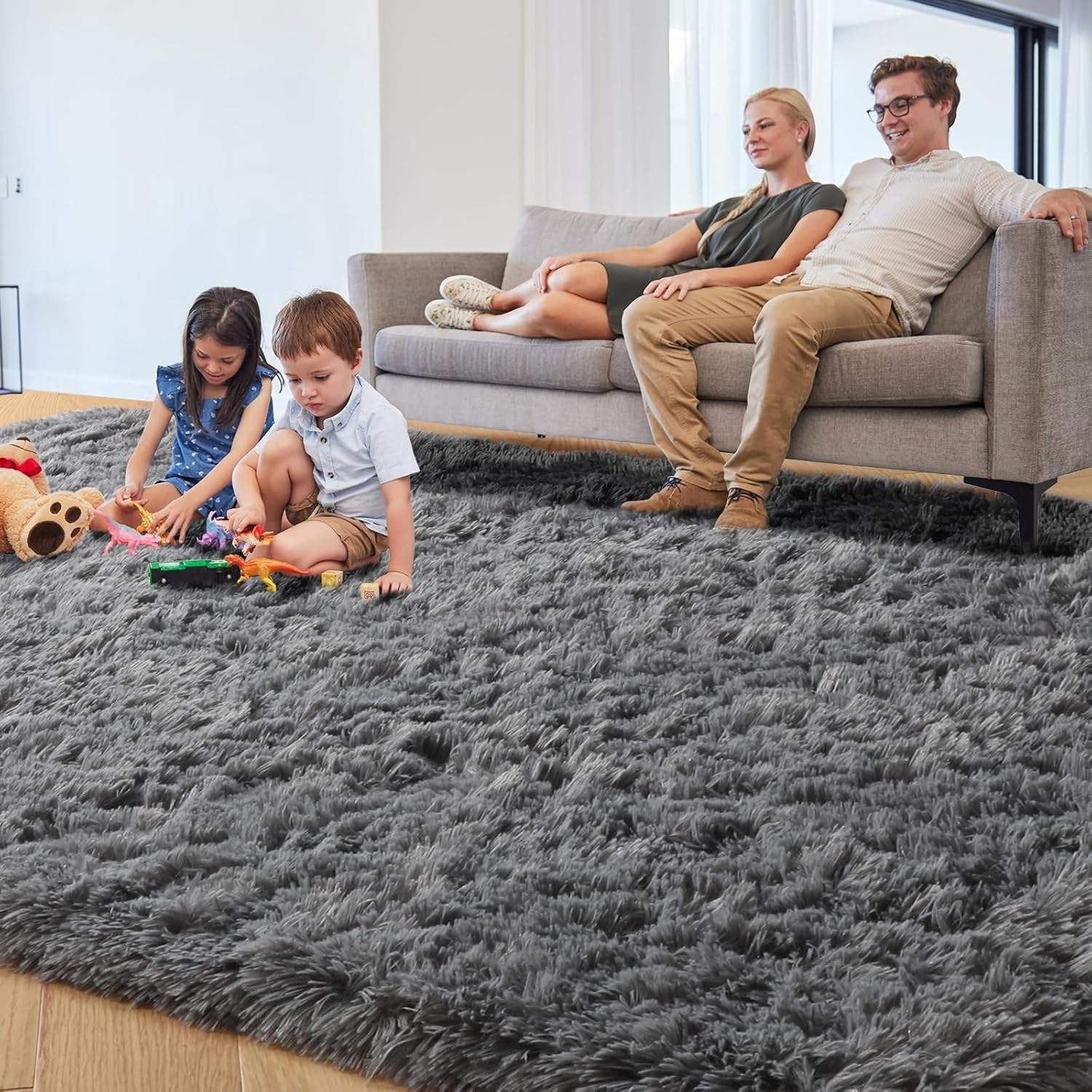
The importance of living room rugs extends beyond aesthetics alone. These textile pieces provide comfort underfoot, improve acoustics, define functional zones within open layouts, and contribute to the overall warmth and sophistication of your home environment. When selected thoughtfully, living room rugs elevate the entire space and make a lasting impression on both residents and visitors.
Living room rugs are instrumental in defining distinct areas within your space, particularly in open-concept homes where physical boundaries do not exist. By placing a rug beneath your seating arrangement, you psychologically and visually separate the living area from adjacent spaces like dining rooms or kitchens. This zoning technique makes your living room feel intentional and organized, even in larger floor plans where furniture alone cannot establish clear divisions.
The scale and positioning of your living room rugs determine how effectively they organize your space. A properly sized rug should extend under at least the front legs of major furniture pieces, creating a unified, grounded appearance. This arrangement signals to the eye that everything within the rug's boundaries belongs to one cohesive living room zone, enhancing the sense of order and design intentionality.
Living room rugs introduce color palettes, patterns, and textures that become the visual foundation for your entire room's design scheme. When you begin your decorating project with a rug, every other design choice—from wall colors to artwork to furniture upholstery—can harmonize with this central textile piece. This approach ensures cohesion and prevents the common decorating pitfall of mismatched elements that feel disconnected or chaotic.
Patterned living room rugs offer particular power in establishing a design direction. Whether you choose geometric, traditional, or contemporary patterns, your rug becomes the focal point that ties together seemingly disparate décor elements. Bold rugs can serve as the primary color source, while neutral rugs allow other furniture and art to command attention while still providing essential visual grounding.
Beyond visual appeal, living room rugs provide immediate functional benefits that improve daily living quality. Walking barefoot on a soft rug feels substantially different from direct contact with hard flooring materials, offering cushioning that reduces fatigue during extended standing or play. This comfort factor becomes especially important in living rooms where families spend hours relaxing, entertaining, or engaging in leisure activities.
Living room rugs also contribute to thermal comfort by providing insulation. Hard floors like tile or concrete conduct cold, while rugs trap warmth and create a cozier microclimate. This natural insulating property reduces the perception of cold floors and can even have modest impacts on heating efficiency, particularly in rooms where temperature regulation matters for comfort.
Hard flooring surfaces reflect sound, creating echoes that make spaces feel hollow and unwelcoming. Living room rugs absorb sound waves, dramatically improving acoustic quality and making your room feel warmer and more intimate. This benefit becomes more noticeable in rooms with high ceilings, hard walls, or minimal soft furnishings where echo tends to be problematic.
The acoustic improvement from living room rugs contributes to a more pleasant living environment, reducing noise transmission between floors and dampening loud footsteps or activity sounds. For families with children or pets, this sound-absorbing capacity helps create a more peaceful atmosphere while minimizing disturbances to other household members or neighbors.
Your choice of living room rugs reveals your design sensibilities and personal style preferences to visitors and reflects your personality within your own home. Whether you prefer minimalist aesthetics, bohemian eclecticism, traditional elegance, or contemporary sophistication, living room rugs available in countless styles, materials, and price points allow authentic self-expression. This democratic design freedom means your living room rug can be as bold or subtle as your comfort level and taste dictate.
Living room rugs function as large-scale artistic statements that command visual attention. Unlike smaller décor elements that blend into the background, rugs occupy significant floor space and influence the entire room's character. This prominence makes them ideal vehicles for introducing color, pattern, or texture that represents your design vision without requiring permanent changes to architecture or larger furniture investments.
Thoughtfully selected living room rugs create visual continuity from room to room, establishing a cohesive narrative throughout your home. When your rug's color palette or style complements adjacent spaces, your entire home feels intentionally designed rather than randomly furnished. This flow becomes particularly important at transition points between living rooms, entryways, or dining areas where design harmony influences how visitors experience your entire home.
The strategic placement and design of living room rugs also impacts how people move through and perceive your space. A unified rug style signals connected living zones, while varied textures or colors can indicate design shifts that prepare visitors for transitions to different room functions. This subtle wayfinding through design makes your home feel more sophisticated and professionally decorated.
The ideal size for living room rugs depends on your room dimensions and furniture arrangement. Standard guidelines suggest that rugs should extend at least 24 inches beyond the sides of your seating area, with at least the front legs of major furniture pieces sitting on the rug. In larger rooms, consider 8x10 or 9x12 rugs, while smaller spaces typically work better with 5x8 or 6x9 options. Measure your space and test rug dimensions before purchasing to ensure proper proportions.
Living room rugs require regular maintenance including vacuuming weekly to remove surface dust and debris, vacuuming in varying directions to prevent pile matting, and spot-cleaning spills immediately to prevent staining. Professional deep cleaning every 12-18 months helps remove embedded dirt and restore rug appearance. Always check manufacturer care instructions before applying any cleaning products, and consider using non-slip rug pads underneath to prevent shifting and protect your flooring.
Absolutely. Living room rugs designed specifically for active households feature stain-resistant treatments, durable fibers, and easy-care properties perfect for families with children and pets. Look for high-quality synthetic materials or wool blends that withstand heavy use, resist staining, and offer soft, comfortable surfaces. Non-slip construction prevents accidents, while dense weaves hide dirt better and maintain appearance longer despite regular activity and wear.

2026/11/02
Struggling to choose the right living room rugs? Avoid costly mistakes with expert insights on size, material, durability, style & care. Get your perfect rug.

2026/11/03
Worried about infant falls during crawling? Discover how cushioned baby play mats absorb impact, and support motor development. Get expert safety tips now.

2026/11/04
Struggling with messy spills and tummy time needs? Discover waterproof, sensory, and tummy-time-optimized play mat surface. Compare materials now.

2026/11/05
Can a kids play mat reduce noise? Discover how thickness, foam density & full coverage deliver real acoustic relief. Get the guide.

2026/11/06
Why do kids slip on tile, laminate & polished wood? Discover how premium non-slip play mats anchor securely AND absorb impact. Boost safety.

2026/11/09
Tired of scrubbing stains and battling odors? Discover the 5 key kids play mat features—waterproof surfaces, washable covers, non-slip grip. See what makes maintenance effortless.

