 EN

What Should Buyers Know Before Ordering Living Room Rugs?
2026/11/02
Struggling to choose the right living room rugs? Avoid costly mistakes with expert insights on size, material, durability, style & care. Get your perfect rug.
Parents today recognize that a quality kids play mat is far more than a decorative floor accessory. It serves as a foundational component of a child's safe play environment, combining practical protection with developmental benefits that support early childhood growth. The rise in popularity of kids play mats across households reflects a broader shift toward intentional parenting and home design that prioritizes both child safety and cognitive stimulation.
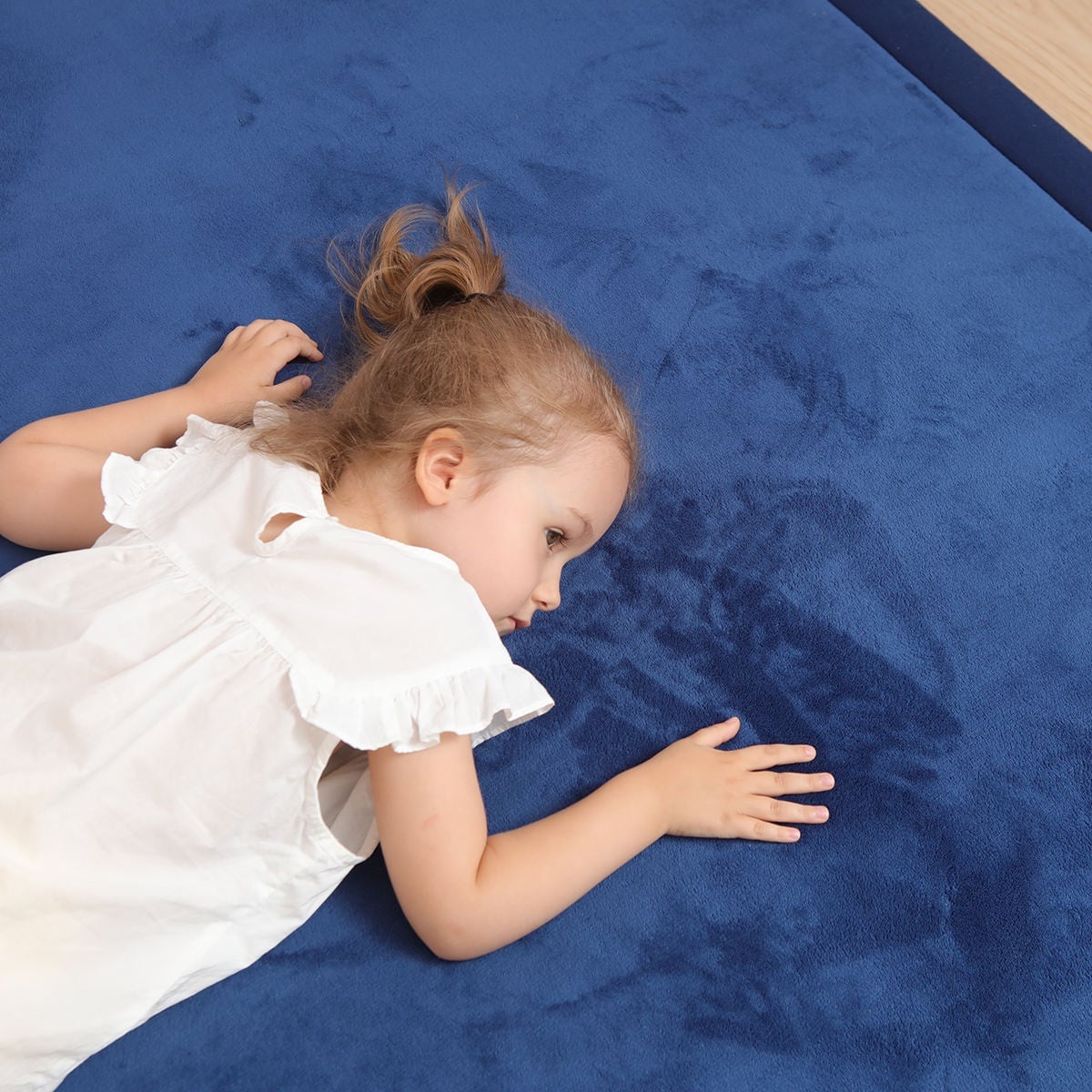
Modern households embrace play mat designs because they address multiple parenting challenges simultaneously. A well-designed kids play mat protects floors and furniture, cushions falls during active play, creates a defined space for organized activities, and contributes to room aesthetics. These multifunctional benefits explain why families across different income levels and home configurations have adopted play mats as essential nursery and living room staples.
The primary driver behind kids play mat popularity is injury prevention. Young children naturally explore their environment through movement, crawling, climbing, and occasional tumbles. A quality kids play mat provides essential cushioning that absorbs impact energy, reducing the risk of head injuries, fractures, and bruising. Thick foam construction in modern play mat designs offers superior shock absorption compared to bare hardwood or tile flooring, giving parents peace of mind during supervised play sessions.
The protective function of a kids play mat becomes especially critical during developmental milestones. Infants transitioning from rolling to crawling and toddlers taking their first steps need a forgiving surface that encourages movement without amplifying fall consequences. Beyond physical protection, knowing their child plays on a safe, cushioned surface reduces parental anxiety and allows caregivers to focus on interaction and engagement rather than constant hazard vigilance.
Parents increasingly prioritize health safety when selecting a kids play mat for their homes. Modern play mat designs emphasize non-toxic, skin-friendly materials such as natural rubber, eco-friendly foam, and certified soft textiles. These material choices prevent exposure to harmful chemicals, reduce allergenic responses, and support respiratory health during extended play periods. The shift toward health-conscious kids play mat options reflects growing awareness of how home environments directly influence childhood wellness and long-term development.
Beyond safety, kids play mat designs actively support early childhood development through sensory engagement. Textured surfaces, varied colors, embedded patterns, and interactive elements on play mats stimulate visual and tactile perception during critical developmental windows. When children interact with a thoughtfully designed kids play mat, they develop fine and gross motor skills, spatial awareness, and hand-eye coordination. The repetitive movements on a comfortable, supportive surface reinforce neural pathways essential for physical development and movement confidence.
Educational play mat designs incorporate learning elements that align with child development theory. Many kids play mat products now feature alphabet patterns, number sequences, animal illustrations, and color-coded zones. These integrated learning elements introduce foundational concepts during unstructured play, making the kids play mat an informal educational tool that supports cognitive development without formal instruction pressure.
A well-defined kids play mat creates psychological safety that encourages independent exploration and play. When children understand that their play mat is their designated space, they feel confident experimenting with movement, building, and creative activities. This sense of ownership and safety on a kids play mat supports development of autonomy, problem-solving skills, and creative thinking. Parents benefit from this arrangement because focused play within a defined zone allows for productive activities and reduced supervision intensity during certain hours.
Modern parents seek home solutions that blend functionality with contemporary design aesthetics. Kids play mat designs have evolved significantly, offering styles that complement various interior design schemes rather than dominating spaces with garish colors and characters. Sophisticated kids play mat options in neutral tones, geometric patterns, and premium finishes integrate seamlessly into living rooms, bedrooms, and playrooms. This design evolution has made kids play mats acceptable and desirable in visible household spaces rather than relegated to dedicated playroom corners.
The popularity of kids play mats reflects their adaptability to different home configurations. In apartments and smaller homes, a kids play mat efficiently defines a multipurpose play zone without requiring dedicated rooms. For larger households, play mat designs serve as anchors for activity zones within open-concept spaces. The portability and flexible setup of quality kids play mats appeal to modern families with varied space constraints and evolving activity needs. Whether in urban apartments, suburban homes, or blended living situations, a kids play mat provides consistent functionality and environmental support.
Kids play mat products serve children from newborn through approximately five years old, though the specific features matter for different ages. Newborns and infants use kids play mats for supervised tummy time and sensory exploration, while toddlers and preschoolers utilize the cushioning and space for active movement. Many families maintain a kids play mat throughout early childhood, adjusting activities and configurations as their child develops.
A kids play mat acts as a protective barrier between active play and underlying flooring. The cushioned surface prevents toy impact damage, scuffs from furniture movement, and wear patterns from concentrated play activity. For families with hardwood floors, tile, or laminate surfaces, a kids play mat investment protects floor finishes while extending their lifespan and appearance.
Modern kids play mat designs prioritize durability and easy maintenance. Most quality options feature wipeable, water-resistant surfaces that resist staining and accumulation of dirt and crumbs. Regular vacuuming and occasional spot cleaning keep a kids play mat hygienic and fresh. Premium materials used in contemporary kids play mats are engineered for busy family environments, making them practical long-term investments rather than high-maintenance accessories.

2026/11/02
Struggling to choose the right living room rugs? Avoid costly mistakes with expert insights on size, material, durability, style & care. Get your perfect rug.

2026/11/03
Worried about infant falls during crawling? Discover how cushioned baby play mats absorb impact, and support motor development. Get expert safety tips now.

2026/11/04
Struggling with messy spills and tummy time needs? Discover waterproof, sensory, and tummy-time-optimized play mat surface. Compare materials now.

2026/11/05
Can a kids play mat reduce noise? Discover how thickness, foam density & full coverage deliver real acoustic relief. Get the guide.

2026/11/06
Why do kids slip on tile, laminate & polished wood? Discover how premium non-slip play mats anchor securely AND absorb impact. Boost safety.

2026/11/09
Tired of scrubbing stains and battling odors? Discover the 5 key kids play mat features—waterproof surfaces, washable covers, non-slip grip. See what makes maintenance effortless.

