 EN

What Should Buyers Know Before Ordering Living Room Rugs?
2026/11/02
Struggling to choose the right living room rugs? Avoid costly mistakes with expert insights on size, material, durability, style & care. Get your perfect rug.
Parents and childcare professionals increasingly choose foam play mats as the foundation for safe, engaging nursery spaces. The popularity of the foam play mat has grown significantly because it addresses multiple critical needs in early childhood environments simultaneously. Unlike traditional hard flooring, a foam play mat provides cushioning that protects developing bodies while supporting active exploration and skill development. Understanding why these mats have become standard equipment in nurseries helps parents make informed decisions about their child's play environment.
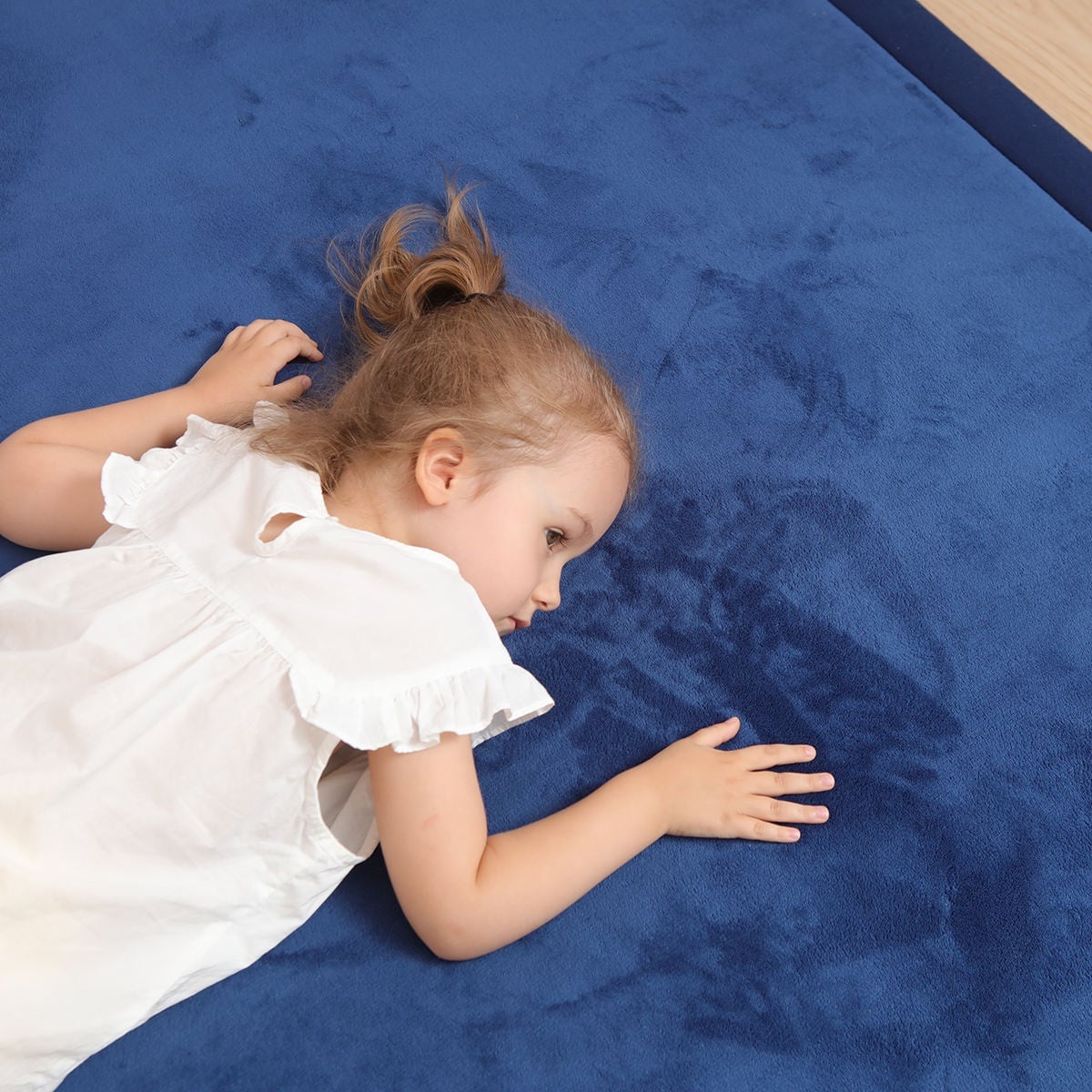
The rise of foam play mat usage reflects a broader shift toward child-centered design in nursery spaces. Modern parents recognize that the environment plays a crucial role in infant and toddler development, and investing in quality flooring solutions supports both physical safety and cognitive growth. A foam play mat creates an inviting surface where children feel secure enough to practice rolling, crawling, and standing during their critical developmental windows.
One primary reason nurseries favor foam play mat products is their superior impact absorption. Infants and toddlers are naturally clumsy as they develop motor skills, and frequent falls are a normal part of childhood. A foam play mat dramatically reduces the risk of serious head injuries, fractures, and bruising compared to concrete, tile, or hardwood floors. The cushioned surface acts as a protective barrier while allowing children to practice standing and walking without excessive fear from caregivers.
The thickness and density of a quality foam play mat determine its protective capability. Standard mats typically range from half an inch to two inches thick, with thicker options providing enhanced shock absorption for active toddlers. This gradual, consistent cushioning prevents sudden jarring forces that could damage developing joints and bones, making the foam play mat an investment in long-term musculoskeletal health.
Beyond impact protection, foam play mat materials offer natural temperature regulation that hard flooring cannot match. Babies and toddlers are sensitive to environmental temperature changes, and cold concrete or tile can trigger discomfort and discourage extended floor play. A foam play mat maintains a warmer, more comfortable surface that encourages children to spend longer periods developing crawling strength and exploring their environment safely.
The insulating properties of foam create a microclimate that reduces heat loss during extended play sessions. This comfort advantage means children remain engaged longer without fussiness caused by cold, allowing for uninterrupted skill practice and developmental progress.
A foam play mat provides an ideal surface for achieving crucial developmental milestones in infancy and early toddlerhood. Rolling, crawling, pulling to stand, and independent walking all develop more naturally on a forgiving surface that rewards effort without punishing mistakes. The consistent, predictable cushioning of a foam play mat helps children build confidence in their physical abilities, which translates to faster skill acquisition and greater willingness to attempt new movements.
Research on child development emphasizes that environmental design directly influences motor competence. By removing the fear factor associated with hard floors, a foam play mat removes psychological barriers to physical exploration. Children who practice on supportive surfaces like a foam play mat demonstrate faster development of balance, coordination, and body awareness than those on hard flooring.
The psychological effect of a foam play mat extends beyond physical safety into cognitive development and play engagement. When children feel secure on a padded surface, they experience greater freedom to explore, experiment, and engage in creative play. A foam play mat transforms a utilitarian nursery space into an inviting play environment where children are naturally drawn to extended periods of active exploration and discovery.
Additionally, many foam play mat designs feature bright colors and engaging textures that stimulate visual development and sensory learning. The tactile experience of different foam surfaces contributes to sensory integration and cognitive mapping, supporting the child's growing understanding of their physical world.
Modern foam play mat products are designed with hygiene as a core feature, addressing a major concern for parents and childcare facilities. High-quality options feature non-porous, antimicrobial surfaces that resist bacteria growth and are easy to clean with standard disinfectants. Unlike carpeting, which traps dust and allergens, a foam play mat can be wiped down quickly and thoroughly, maintaining a sanitary play environment for vulnerable infants.
The maintenance efficiency of a foam play mat means caregivers spend less time on cleaning and more time engaging with children. Quick spot-cleaning and occasional deep cleaning keep the surface fresh without requiring replacement or specialized treatments, making it economical for both home and commercial nursery settings.
Nurseries benefit from the space-efficient design of foam play mat systems, which can be arranged modularly to fit any room configuration. Many foam play mat products feature interlocking edges that allow caregivers to expand or reconfigure play areas based on changing needs. This flexibility makes the foam play mat an adaptable investment that grows with the nursery program.
The portable nature of a foam play mat also enables caregivers to create designated safe zones throughout the home or facility, providing consistent protection regardless of where the child is playing. This adaptability has contributed significantly to the popularity of foam play mats across diverse childcare environments.
For infants, a foam play mat should be between half an inch and one inch thick to provide adequate cushioning without creating an unstable surface. Thicker mats of one and a half to two inches work well for toddlers who are more mobile and fall from greater heights. The optimal thickness depends on your specific floor type and the age range of children using it, but one inch represents a solid middle ground for mixed-age nurseries.
Quality foam play mat products should meet strict safety standards and use non-toxic, baby-safe materials free from harmful chemicals like BPA, phthalates, and lead. Look for certifications such as CPSC compliance or third-party safety testing when purchasing a foam play mat. Reputable manufacturers provide detailed material specifications and safety documentation, ensuring that your foam play mat provides protection without introducing chemical hazards into your nursery.
A well-maintained foam play mat can last three to five years in typical home nursery use, with commercial-grade options lasting even longer. Durability depends on material quality, thickness, and usage intensity. Regular cleaning and avoiding excessive moisture exposure will extend the life of your foam play mat, making it a cost-effective long-term investment in your child's safe play environment.

2026/11/02
Struggling to choose the right living room rugs? Avoid costly mistakes with expert insights on size, material, durability, style & care. Get your perfect rug.

2026/11/03
Worried about infant falls during crawling? Discover how cushioned baby play mats absorb impact, and support motor development. Get expert safety tips now.

2026/11/04
Struggling with messy spills and tummy time needs? Discover waterproof, sensory, and tummy-time-optimized play mat surface. Compare materials now.

2026/11/05
Can a kids play mat reduce noise? Discover how thickness, foam density & full coverage deliver real acoustic relief. Get the guide.

2026/11/06
Why do kids slip on tile, laminate & polished wood? Discover how premium non-slip play mats anchor securely AND absorb impact. Boost safety.

2026/11/09
Tired of scrubbing stains and battling odors? Discover the 5 key kids play mat features—waterproof surfaces, washable covers, non-slip grip. See what makes maintenance effortless.

