 EN

What Should Buyers Know Before Ordering Living Room Rugs?
2026/11/02
Struggling to choose the right living room rugs? Avoid costly mistakes with expert insights on size, material, durability, style & care. Get your perfect rug.
The global popularity of foam mat products continues to grow across residential, commercial, and industrial markets. This widespread adoption reflects fundamental shifts in how consumers and businesses prioritize comfort, safety, and practical functionality in their spaces. Understanding why foam mat products have become indispensable requires examining the intersection of material science, ergonomic design, and real-world application scenarios that drive consistent demand.
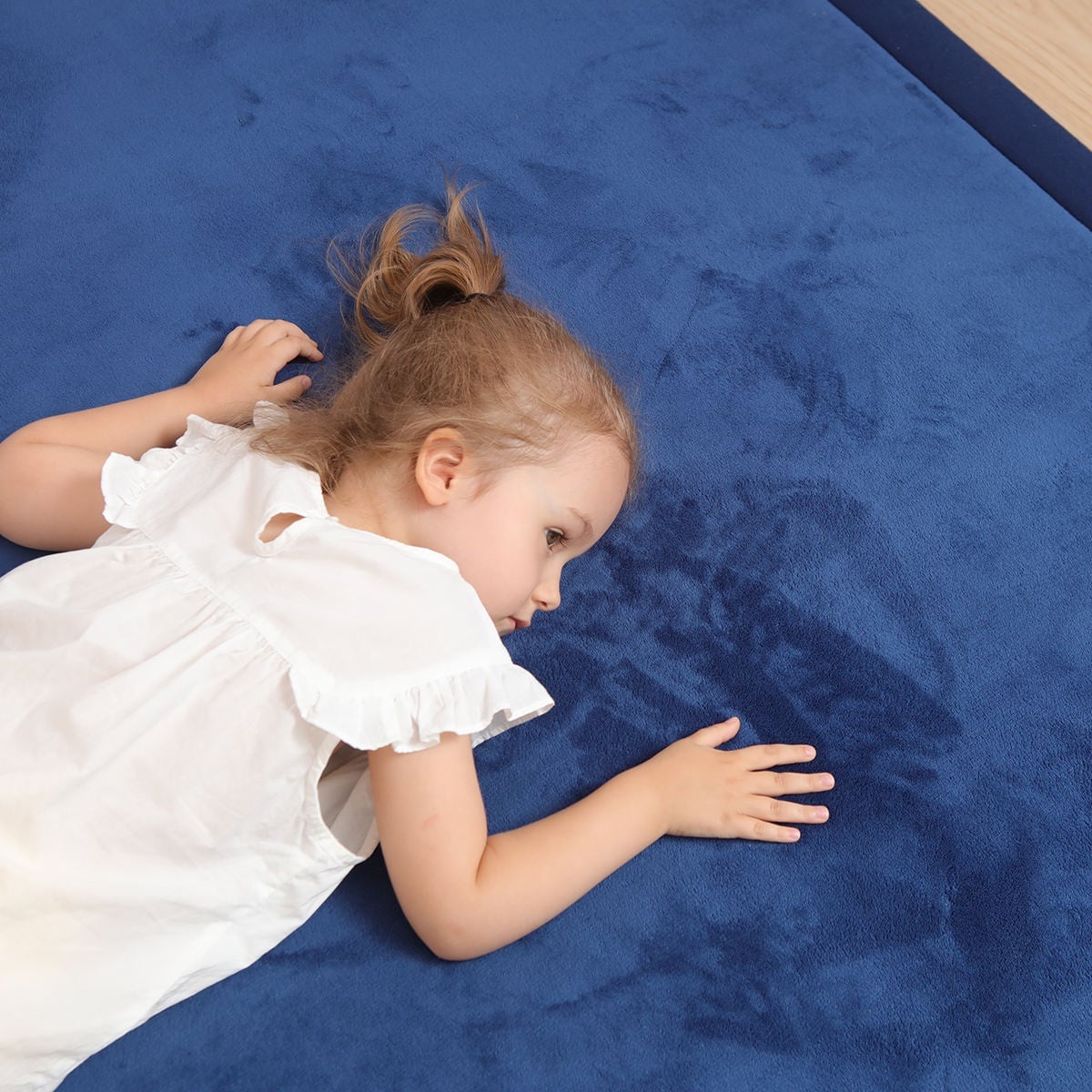
Foam mat products deliver distinct performance advantages that traditional alternatives cannot match. The material composition provides optimal shock absorption, pressure distribution, and thermal insulation properties that serve specific user needs across diverse environments. These functional benefits, combined with affordability and ease of maintenance, create a compelling value proposition for consumers seeking practical solutions.
A primary driver of foam mat popularity worldwide stems from the superior comfort characteristics that foam materials provide. The foam mat structure conforms to body contours, distributing weight evenly across its surface and reducing pressure concentration on joints and sensitive areas. This ergonomic advantage matters significantly for individuals who spend extended periods standing, sitting, or exercising on hard surfaces. Healthcare professionals and fitness facilities increasingly recommend foam mat products to users seeking natural pain reduction and improved posture support without pharmaceutical intervention.
The science behind foam mat comfort involves cell structure and density factors that influence resilience and recovery. High-quality foam mat products maintain their shape through repeated compression cycles, ensuring consistent support over extended use periods. Athletes, caregivers, and workplace managers recognize that investing in proper foam mat solutions reduces fatigue-related injuries and increases productivity throughout daily routines.
Foam mat products excel at temperature regulation, a feature that enhances their appeal across varying climates and seasons. The cellular structure creates air pockets that insulate against ground cold while promoting breathability to prevent moisture accumulation. Parents and facility managers select foam mat options specifically for thermal comfort benefits, particularly in environments where temperature fluctuations pose challenges. This climate-adaptive property contributes substantially to why foam mat products maintain consistent global demand regardless of geographic region.
Safety represents a cornerstone reason why foam mat products achieve worldwide popularity, particularly in child-focused settings. The shock-absorbing qualities of foam mat materials significantly reduce impact forces when children fall or engage in active play. Childcare centers, gymnasiums, and home environments prioritize foam mat installation to minimize traumatic injuries and create protective barriers between young users and hard surfaces. Parents recognize that quality foam mat products provide peace of mind while encouraging unrestricted play and physical development.
Medical professionals support foam mat recommendations for therapeutic environments and rehabilitation settings where fall risk and injury prevention take priority. The predictable performance characteristics of foam mat solutions allow healthcare facilities to establish consistent safety protocols that meet regulatory requirements and insurance standards.
Beyond physical safety, foam mat products contribute to healthy child development through their application in educational and recreational spaces. Children engage more confidently in movement-based learning when foam mat surfaces reduce fear of injury. Physical therapists utilize specialized foam mat products to support motor skill development, balance training, and sensory integration activities. This developmental advantage explains why foam mat products appear so prevalently in preschools, therapy centers, and home-based learning environments across continents.
Foam mat products achieve global popularity partly because they deliver exceptional durability relative to their cost. Unlike traditional flooring materials, foam mat options resist wear patterns from repeated use and maintain performance characteristics across years of service. Schools, gyms, and commercial facilities select foam mat products for their lifecycle cost efficiency and minimal maintenance requirements. The absence of special cleaning protocols or protective treatments means foam mat investments continue generating value without unexpected expenses, contributing to their adoption in budget-conscious organizations worldwide.
The material resilience of foam mat products translates into reduced replacement frequency compared to conventional surfaces. Property managers and facility operators appreciate this financial predictability when budgeting for long-term infrastructure needs.
Foam mat products offer remarkable versatility in sizing, thickness, and design configurations that adapt to diverse spatial requirements. Whether residential, commercial, or institutional users need standard dimensions or custom-cut solutions, foam mat manufacturing processes accommodate specific project parameters efficiently. This installation flexibility removes barriers to adoption and allows stakeholders to implement foam mat systems in spaces with unconventional layouts or existing architectural constraints.
The ease of transporting and repositioning foam mat products adds practical value that resonates globally. Renters, mobile businesses, and temporary facilities benefit from foam mat portability, extending the addressable market beyond permanent installation scenarios. This accessibility characteristic accelerates foam mat product adoption across demographics and geographic markets that might otherwise rely on fixed flooring solutions.
Foam mat materials outperform alternatives through superior shock absorption, consistent performance across temperature ranges, hypoallergenic properties, and cost-effectiveness. The cellular structure of foam mat products provides predictable compression characteristics that maintain functionality through thousands of use cycles. Additionally, foam mat options require minimal maintenance and avoid off-gassing issues common in synthetic alternatives, making them ideal for health-conscious consumers and regulated facilities.
Foam mat products absorb impact noise and vibration energy through their porous structure, reducing sound transmission to adjacent areas. Commercial gyms, studios, and shared workspaces incorporate foam mat solutions specifically to minimize acoustic disturbances. This noise suppression benefit enhances user experience and supports workplace productivity while complying with noise ordinance requirements that many jurisdictions enforce.
While standard foam mat products function best in controlled indoor environments, specialized outdoor-grade foam mat options resist UV radiation and moisture degradation. Some manufacturers produce foam mat solutions with treated surfaces that extend durability in patio, poolside, and garden settings. However, traditional indoor foam mat products require protection from prolonged sun exposure and standing water to maintain performance characteristics and appearance over extended periods.

2026/11/02
Struggling to choose the right living room rugs? Avoid costly mistakes with expert insights on size, material, durability, style & care. Get your perfect rug.

2026/11/03
Worried about infant falls during crawling? Discover how cushioned baby play mats absorb impact, and support motor development. Get expert safety tips now.

2026/11/04
Struggling with messy spills and tummy time needs? Discover waterproof, sensory, and tummy-time-optimized play mat surface. Compare materials now.

2026/11/05
Can a kids play mat reduce noise? Discover how thickness, foam density & full coverage deliver real acoustic relief. Get the guide.

2026/11/06
Why do kids slip on tile, laminate & polished wood? Discover how premium non-slip play mats anchor securely AND absorb impact. Boost safety.

2026/11/09
Tired of scrubbing stains and battling odors? Discover the 5 key kids play mat features—waterproof surfaces, washable covers, non-slip grip. See what makes maintenance effortless.

