 EN

What Should Buyers Know Before Ordering Living Room Rugs?
2026/11/02
Struggling to choose the right living room rugs? Avoid costly mistakes with expert insights on size, material, durability, style & care. Get your perfect rug.
The growing popularity of anxiety blanket weight products reflects a fundamental shift in how people approach mental wellness and sleep quality. These specialized blankets, designed with precise weight distributions, have transitioned from niche therapeutic tools to mainstream wellness essentials found in homes, clinics, and educational settings worldwide. The demand surge reveals genuine recognition of how targeted physical pressure can address anxiety symptoms and improve overall rest patterns.
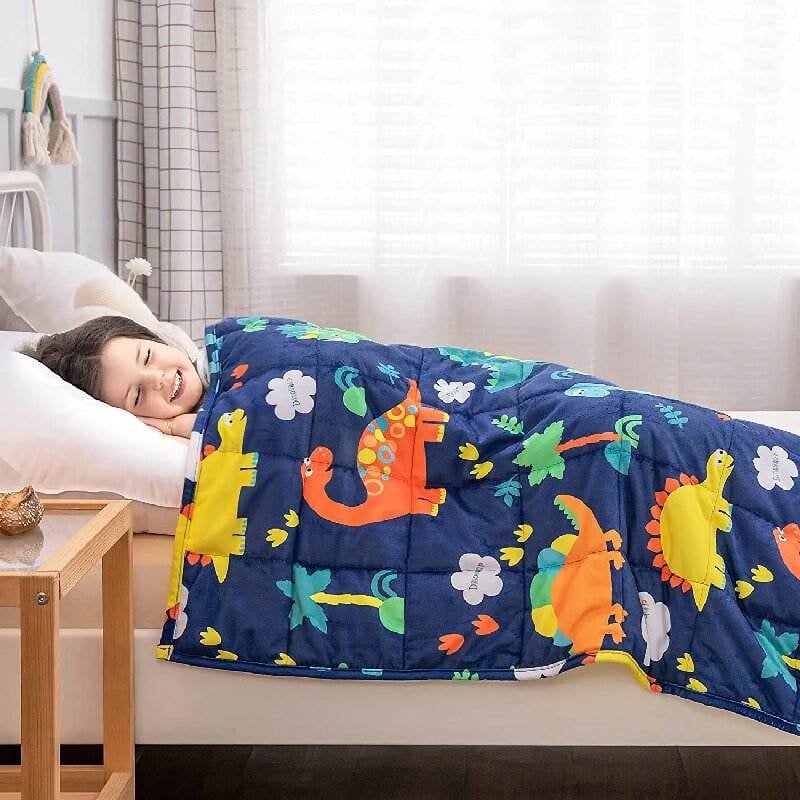
Understanding why anxiety blanket weight products resonate with consumers requires examining the science behind deep pressure stimulation and the psychological factors that drive wellness purchasing decisions. Modern consumers increasingly seek evidence-based solutions that offer measurable benefits without pharmaceutical intervention, and weighted blankets have emerged as a compelling option across diverse demographics.
The core mechanism driving anxiety blanket weight effectiveness involves deep pressure stimulation, which activates the parasympathetic nervous system. When appropriately weighted blankets are applied to the body, they trigger a cascade of physiological responses that promote relaxation. The distributed pressure signals safety to the nervous system, encouraging the release of neurotransmitters like serotonin and melatonin while reducing cortisol levels, the primary stress hormone.
Research in sensory processing demonstrates that deep touch pressure works similarly to therapeutic techniques like massage and compression therapy. The anxiety blanket weight range typically recommended is between 5 to 10 percent of body weight, a specification based on clinical studies showing optimal therapeutic benefit at this proportion. This precision in weight calibration distinguishes effective therapeutic blankets from generic heavy blankets, making informed product selection crucial for users seeking genuine relief.
Anxiety blanket weight products influence sleep architecture by promoting transitions into deeper sleep stages where physical and emotional restoration occurs. The consistent pressure throughout the night helps regulate circadian rhythms and reduces nighttime awakenings, which frequently disrupt anxiety sufferers. Users report improved sleep onset time and extended REM sleep duration, both essential for cognitive processing and emotional regulation the following day.
The neurochemical profile created by anxiety blanket weight application extends benefits beyond sleep hours. Morning cortisol levels remain more balanced, anxiety symptoms decrease during waking hours, and overall emotional resilience improves. This extended benefit window explains why consumers maintain consistent usage and recommend these products to friends and family members experiencing similar wellness challenges.
The expansion of anxiety blanket weight product popularity stems partly from increased mental health awareness and reduced stigma around wellness solutions. Individuals across age groups, from children managing school-related stress to adults balancing professional pressure, now recognize weighted blankets as legitimate therapeutic aids. The availability of diverse designs, colors, and fabric options has transformed these products from clinical-appearing tools into aesthetically acceptable home furnishings.
Corporate wellness programs and educational institutions have accelerated mainstream adoption by incorporating anxiety blanket weight products into their stress management initiatives. Schools use weighted blankets in sensory rooms, corporate offices provide them in quiet spaces, and mental health practitioners recommend them as complementary interventions. This institutional validation carries significant weight in consumer decision-making, particularly for skeptical purchasers exploring anxiety management for the first time.
Social media platforms and online wellness communities have created powerful networks where users share anxiety blanket weight experiences and recommendations. Authentic testimonials about improved sleep and reduced nighttime anxiety resonate more effectively than traditional advertising, driving organic consumer interest. These communities establish social proof that influences purchasing behavior among individuals seeking validation that products will deliver tangible benefits.
The proliferation of user-generated content featuring anxiety blanket weight products in lifestyle contexts demonstrates their normalization in everyday wellness routines. Before-and-after stories, unboxing videos, and long-term usage reviews create transparent information ecosystems where potential buyers gain realistic expectations. This peer-to-peer communication channel has proven more influential than manufacturer claims, sustaining demand even during economic downturns when discretionary wellness spending typically declines.
Mental health professionals recognize anxiety blanket weight products as evidence-supported interventions for anxiety disorders, insomnia, and autism spectrum conditions. Therapists recommend these blankets as adjunctive tools alongside cognitive-behavioral therapy and medication management, acknowledging that physical interventions address symptoms through different neurobiological pathways. The integration of anxiety blanket weight therapy into clinical protocols legitimizes consumer purchases and encourages insurance coverage discussions.
The accessibility of anxiety blanket weight products removes barriers that traditional therapy often presents, including cost and scheduling constraints. Consumers can implement weighted blanket interventions immediately without waiting for appointments or prior authorization, creating immediate gratification that reinforces purchasing decisions. This combination of clinical credibility and practical accessibility amplifies market demand across price points and product quality levels.
Healthcare providers increasingly recommend anxiety blanket weight solutions for specific populations including trauma survivors, individuals with sensory processing disorders, and patients managing chronic pain alongside anxiety. Children with ADHD benefit from the organizational input weighted blankets provide, improving focus and emotional regulation during study periods. Elderly individuals facing sleep disturbances and restlessness find that anxiety blanket weight products reduce prescription sleep aid dependency and associated side effects.
This diversification across therapeutic applications expands the market addressable by anxiety blanket weight manufacturers and retailers. As healthcare systems document positive outcomes in specialized populations, referral patterns increase, creating sustainable demand streams independent of general consumer trends. The clinical validation combined with consumer accessibility ensures that anxiety blanket weight product popularity will likely continue strengthening as awareness spreads through healthcare networks.
True anxiety blanket weight products are engineered with precise weight distribution calibrated to therapeutic standards, typically 5 to 10 percent of body weight for optimal deep pressure stimulation. Regular heavy blankets lack this specification and may cause discomfort or fail to activate the nervous system benefits that anxiety blanket weight therapy requires. The fabric composition, internal weight distribution system, and quality control distinguishing therapeutic blankets ensure consistent pressure application throughout the night without dead zones or pressure concentration areas that reduce effectiveness.
Most users report noticeable improvements in sleep quality within the first week of consistent anxiety blanket weight product use, though nervous system adaptation varies individually. Some individuals experience immediate relaxation upon application, while others require two to four weeks for optimal anxiety reduction and sleep pattern normalization. Factors including baseline anxiety levels, sleep debt, and individual neurochemistry influence the timeline, but sustained usage typically reveals compounding benefits as circadian rhythms align with nightly therapeutic pressure application.
Anxiety blanket weight products can benefit children as young as four years old through older adults, though weight calibration and supervision requirements differ by age. Young children need lighter blankets with close caregiver monitoring to prevent entanglement risks, while teenagers and adults can use standard anxiety blanket weight specifications independently. Medical clearance is recommended for individuals with respiratory conditions, circulation disorders, or mobility limitations, ensuring that the deep pressure from anxiety blanket weight products enhances rather than complicates existing health conditions.

2026/11/02
Struggling to choose the right living room rugs? Avoid costly mistakes with expert insights on size, material, durability, style & care. Get your perfect rug.

2026/11/03
Worried about infant falls during crawling? Discover how cushioned baby play mats absorb impact, and support motor development. Get expert safety tips now.

2026/11/04
Struggling with messy spills and tummy time needs? Discover waterproof, sensory, and tummy-time-optimized play mat surface. Compare materials now.

2026/11/05
Can a kids play mat reduce noise? Discover how thickness, foam density & full coverage deliver real acoustic relief. Get the guide.

2026/11/06
Why do kids slip on tile, laminate & polished wood? Discover how premium non-slip play mats anchor securely AND absorb impact. Boost safety.

2026/11/09
Tired of scrubbing stains and battling odors? Discover the 5 key kids play mat features—waterproof surfaces, washable covers, non-slip grip. See what makes maintenance effortless.

