 EN

What Should Buyers Know Before Ordering Living Room Rugs?
2026/11/02
Struggling to choose the right living room rugs? Avoid costly mistakes with expert insights on size, material, durability, style & care. Get your perfect rug.
Choosing the right baby play mat involves understanding which materials provide both safety and longevity for your child. Parents often struggle to balance protective qualities with durability when selecting play surfaces, as infants spend significant time on these mats during critical developmental stages. The material composition directly impacts cushioning, cleanliness, chemical exposure, and how well the mat withstands daily wear and frequent cleaning cycles.
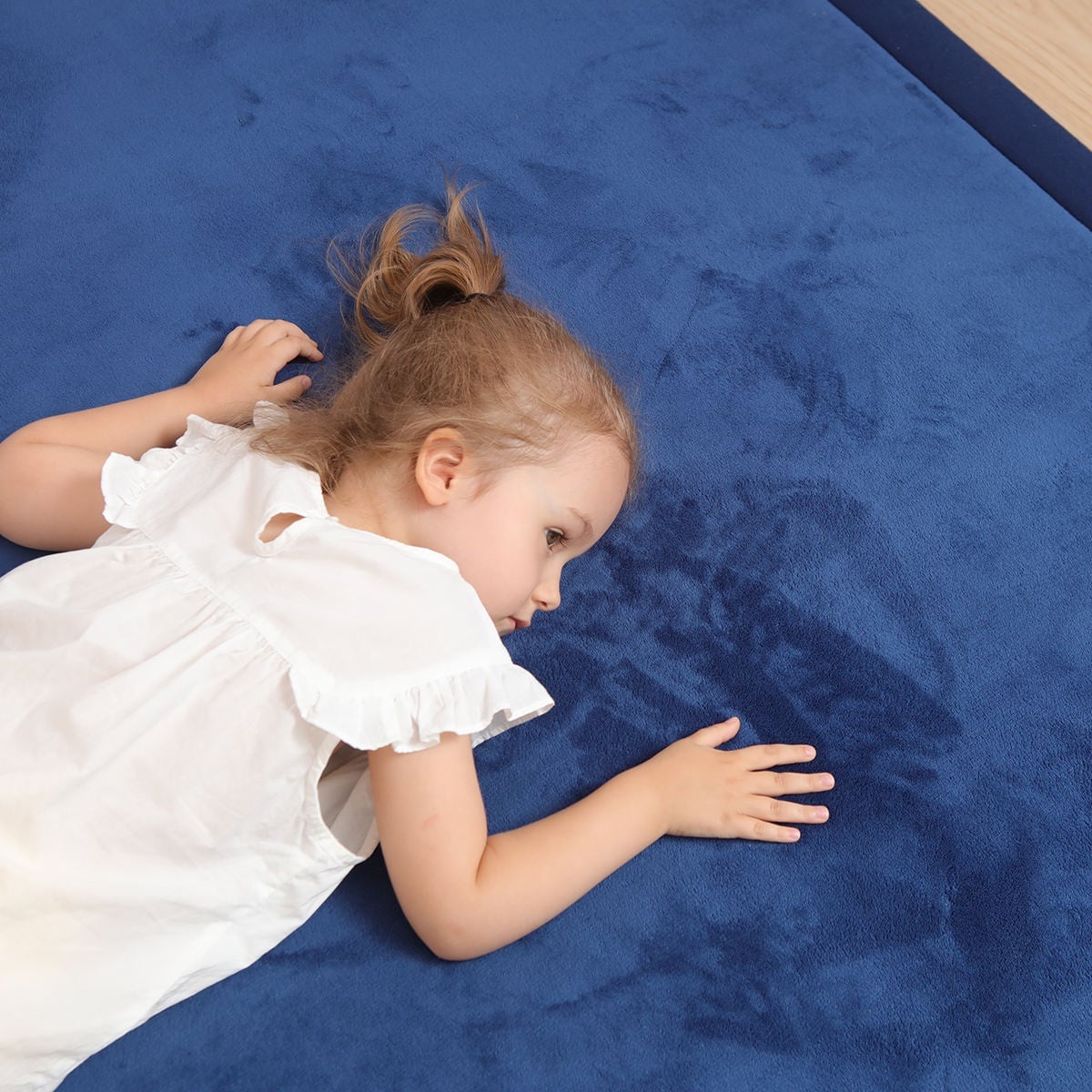
A quality baby play mat serves as a foundational element in nurseries, playpens, and living spaces where infants develop motor skills and explore their environment safely. Understanding material properties helps parents make informed decisions that protect children from harmful substances while ensuring the mat maintains structural integrity through years of active use.
Foam-based baby play mats represent one of the most popular choices for infant safety and comfort. Closed-cell foam structures provide excellent cushioning that protects growing babies from hard floor impacts during developmental milestones like rolling, crawling, and learning to stand. This foam type resists moisture penetration, preventing bacterial growth and mold accumulation that could compromise infant health.
High-density foam maintains its supportive properties even after repeated compressions from infant weight and play activities. Parents appreciate that foam baby play mats typically weigh less than rubber alternatives, making repositioning and transportation easier. Quality foam formulations meet international safety standards and avoid toxic chemicals like formamide, phthalates, and heavy metals that could leach during extended contact with skin.
Rubber materials, particularly those derived from natural latex, offer exceptional durability and hypoallergenic properties for sensitive infants. Natural rubber contains inherent antimicrobial compounds that resist common pathogens without requiring chemical treatments. These baby play mat materials demonstrate superior resistance to punctures, tears, and permanent deformation compared to foam alternatives.
Synthetic rubber compounds provide cost-effective durability while maintaining safety certifications required for infant products. The main consideration involves ensuring the rubber contains no latex allergens for children with known sensitivities. Rubber baby play mats clean easily with mild soap and water, and they resist staining from food, beverages, and other common household substances better than porous materials.
Fabric surface layers on baby play mats enhance tactile comfort and temperature regulation for developing infants. Cotton covers provide breathability that prevents overheating during extended play sessions and promote natural skin interaction. Microfiber fabrics offer similar benefits while providing superior stain resistance and easier machine washing without degrading the underlying support structure.
The baby play mat surface material should be soft enough to prevent skin irritation but durable enough to withstand constant friction from crawling and rolling. Quality fabric layers resist pilling and maintain their texture after dozens of wash cycles, which is essential since infants place items and their hands directly on the play surface regularly.
Parents must verify that baby play mat materials meet rigorous safety certifications including Oeko-Tex Standard 100, ISO 8124, and CPSIA requirements. These certifications ensure the mat contains no harmful substances that could affect infant health through skin contact or accidental ingestion. Certified baby play mats undergo third-party testing for prohibited chemicals, ensuring peace of mind for families concerned about material composition.
The manufacturing process for premium baby play mat materials involves careful material selection, quality control protocols, and post-production inspections. Parents should look for transparent labeling that identifies specific materials, adhesives, and finishes used in construction. Avoiding mats with strong chemical odors indicates proper material sourcing and appropriate curing time before purchase.
A durable baby play mat maintains consistent cushioning properties throughout its lifespan, even after exposure to repeated impacts from active infants. High-quality materials resist permanent indentation, ensuring the mat provides appropriate shock absorption during critical developmental stages. Structural integrity becomes especially important as children grow heavier and more active, continuing to use the play mat for extended periods.
The thickness of baby play mat materials directly correlates with durability and protective capabilities. Mats measuring one-half inch to one inch thick provide optimal balance between portability and protective cushioning. Materials that maintain uniform density throughout their thickness resist compression patterns that could create uneven surfaces or weak spots where infants might experience inadequate protection.
Durable baby play mat materials resist moisture absorption, preventing water from penetrating to lower layers where it could promote mold growth or compromise structural integrity. Non-porous base materials ensure liquids remain on the surface where they can be wiped away immediately, maintaining hygiene standards essential for infant spaces. Regular cleaning and proper drying protocols extend the lifespan of any baby play mat regardless of base material selection.
Storage conditions affect long-term durability of baby play mat materials, particularly foam and rubber varieties. Keeping mats in cool, dry environments prevents UV degradation and heat-induced material breakdown. Many families successfully store baby play mats rolled or folded without permanent damage if they follow manufacturer guidelines and avoid excessive pressure during extended storage periods.
A baby play mat thickness between one-half inch and one inch provides ideal cushioning protection while maintaining portability and durability. This thickness range offers sufficient impact absorption for infants learning motor skills while supporting the structural integrity needed for years of active use. Thicker mats may provide extra cushioning but become bulkier and more difficult to transport or store in typical home environments.
Natural rubber baby play mat materials offer hypoallergenic properties and antimicrobial benefits that benefit sensitive-skin infants, though individual reactions vary by child. Some babies develop latex sensitivity, making closed-cell foam alternatives safer choices for their specific needs. Parents should observe their infant's skin response during initial use and consult pediatricians if concerns arise about material compatibility with their child's skin condition.
A baby play mat should be wiped down with mild soap and water after every major spill or mess, with thorough deep cleaning performed weekly or bi-weekly depending on usage intensity. Durable baby play mat materials withstand frequent cleaning without degradation when parents follow manufacturer care instructions. Regular maintenance prevents bacterial accumulation and ensures the play surface remains hygienic for infants who spend extended periods crawling and playing directly on the mat surface.

2026/11/02
Struggling to choose the right living room rugs? Avoid costly mistakes with expert insights on size, material, durability, style & care. Get your perfect rug.

2026/11/03
Worried about infant falls during crawling? Discover how cushioned baby play mats absorb impact, and support motor development. Get expert safety tips now.

2026/11/04
Struggling with messy spills and tummy time needs? Discover waterproof, sensory, and tummy-time-optimized play mat surface. Compare materials now.

2026/11/05
Can a kids play mat reduce noise? Discover how thickness, foam density & full coverage deliver real acoustic relief. Get the guide.

2026/11/06
Why do kids slip on tile, laminate & polished wood? Discover how premium non-slip play mats anchor securely AND absorb impact. Boost safety.

2026/11/09
Tired of scrubbing stains and battling odors? Discover the 5 key kids play mat features—waterproof surfaces, washable covers, non-slip grip. See what makes maintenance effortless.

