 EN

What Should Buyers Know Before Ordering Living Room Rugs?
2026/11/02
Struggling to choose the right living room rugs? Avoid costly mistakes with expert insights on size, material, durability, style & care. Get your perfect rug.
Selecting the right material for area rugs is one of the most important decisions for any interior space. The material you choose directly impacts how well your rug withstands daily foot traffic, staining, fading, and wear over time. Different materials offer vastly different performance characteristics, price points, and maintenance requirements. Understanding these distinctions helps you invest in rugs that will maintain their appearance and functionality for years to come, rather than requiring premature replacement.
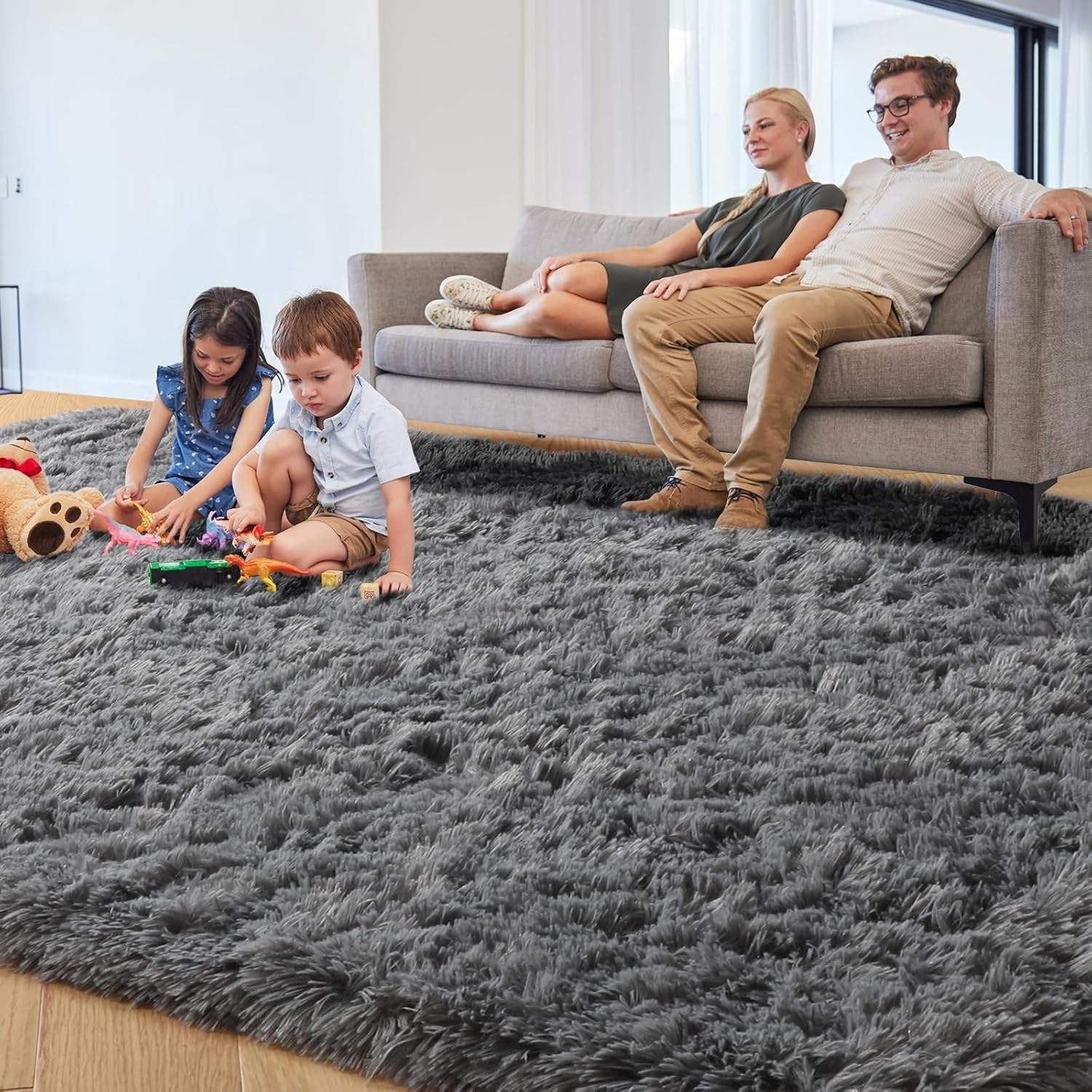
When evaluating area rugs for durability, you must consider fiber composition, pile density, construction method, and intended room use. High-traffic zones demand materials engineered to resist flattening and pilling, while bedrooms and formal sitting areas allow for more delicate fibers. This guide walks through the leading material options, their real-world performance profiles, and practical guidance for matching materials to your specific environment and lifestyle needs.
Wool remains the gold standard for durable area rugs across residential and commercial settings. Its natural crimp and elasticity allow wool fibers to bounce back after compression, maintaining appearance even under sustained foot traffic. Wool area rugs resist pilling better than most synthetics because the fibers are naturally stronger and more resistant to breaking. The lanolin in wool also provides inherent stain resistance, shedding liquids initially and allowing time for cleanup before absorption occurs.
Beyond everyday resilience, wool area rugs typically last fifteen to twenty years with proper care, making them a long-term value despite higher upfront costs. Wool naturally resists flame, producing less smoke if exposed to heat sources compared to synthetic alternatives. For families prioritizing longevity and minimal replacement cycles, wool area rugs deliver measurable performance advantages that justify premium pricing in high-traffic residential and commercial environments.
Sisal area rugs, made from agave plant fibers, offer exceptional durability for certain applications. These area rugs materials create dense, tightly woven surfaces that resist matting and maintain texture through years of use. Sisal performs exceptionally well in commercial spaces, offices, and casual family rooms where high traffic is expected. However, sisal absorbs moisture readily, making it unsuitable for bathrooms or kitchens where water exposure is frequent.
Jute area rugs share similar characteristics, offering natural durability with a softer hand feel than sisal. Both materials provide excellent sustainability credentials since they are renewable plant sources. However, these area rugs materials typically require protective sealing treatments to resist staining effectively. Without proper treatment, organic fibers absorb spills quickly, potentially leading to permanent discoloration or mold growth in humid environments.
Synthetic area rugs, primarily polypropylene and polyester, dominate the budget and mid-range market segments. These engineered fibers offer impressive stain resistance through manufacturing treatments that coat each fiber with protective chemicals. Polypropylene area rugs specifically resist water-based and many oil-based stains, making them ideal for kitchens, dining areas, and pet-friendly homes. Their man-made structure inherently resists fading from sunlight exposure far better than natural fibers, maintaining color vibrancy longer in bright rooms.
The primary limitation of synthetic area rugs materials involves durability under compression. Polypropylene and polyester fibers lack the natural elasticity of wool, so high-traffic pathways often show matting or flattening within five to ten years. These area rugs materials perform adequately in moderate-traffic bedrooms or formal spaces with limited daily use. For homes with children, pets, or consistent foot traffic throughout the day, synthetic area rugs may require replacement sooner than natural alternatives, offsetting their lower initial purchase price.
Nylon represents the premium tier among synthetic area rugs materials, offering superior resilience and durability compared to polypropylene. Nylon fibers recover from compression remarkably well, maintaining pile height and appearance through substantial foot traffic. Commercial-grade area rugs frequently use nylon because of this proven performance track record in office buildings, hotels, and retail environments. Many luxury residential area rugs also incorporate nylon in their fiber blends specifically to extend lifespan and reduce visible wear.
High-performance synthetic area rugs materials now include triexta and other advanced fibers engineered for extreme durability demands. These newer formulations combine stain resistance, fade resistance, and compression recovery in single fibers, eliminating trade-offs between durability and appearance. Area rugs constructed from these advanced synthetics can perform comparably to wool in high-traffic settings while offering easier cleaning and lower maintenance requirements. However, environmental concerns about microfiber shedding and petroleum-based sourcing make some homeowners prefer natural alternatives despite higher costs.
Durability rankings for area rugs materials shift depending on specific usage context and environmental conditions. In high-traffic hallways and entryways, wool and nylon area rugs outperform polypropylene significantly because they resist matting and maintain appearance under constant foot contact. Families with pets benefit from nylon or treated polypropylene area rugs because these materials resist soiling and clean more thoroughly than natural fibers. Bedrooms and formal living spaces with minimal daily foot traffic can accommodate any material category since durability demands remain moderate.
Moisture-prone environments like bathrooms and kitchens demand synthetic area rugs materials or sealed natural fibers. Unsealed wool and sisal absorb water and develop mildew if exposed to humidity and moisture regularly. Sunlit rooms require fade-resistant area rugs materials such as solution-dyed synthetics or higher-quality wool. Children's rooms benefit from area rugs constructed from materials that are stain-resistant, durable, and easy to clean, making treated synthetics or wool reasonable choices depending on budget constraints.
Evaluating area rugs durability requires examining total lifecycle costs rather than only initial purchase price. Premium wool area rugs cost two to three times more than comparable polypropylene options but often last three times longer. Over a fifteen-year period, the annualized cost of durable wool area rugs frequently matches or undercuts budget synthetic area rugs that require replacement every five to seven years. This calculation shifts for homes with severe staining challenges or extreme traffic patterns where durability demands exceed standard residential expectations.
Professional cleaning costs and maintenance labor also factor into durability economics. Area rugs materials requiring specialized treatment or professional care increase total ownership expenses substantially. Synthetic area rugs and sealed natural fiber options typically cost less to maintain than delicate wool requiring professional-grade cleaning methods. Budget-conscious consumers should incorporate expected maintenance frequency into material selection decisions rather than focusing solely on purchase price differences.
Wool represents the most durable natural material for area rugs, lasting fifteen to twenty years with proper care. Among synthetics, nylon and high-performance engineered fibers offer comparable durability and often outperform wool in stain resistance and ease of cleaning. The best choice depends on your specific environment, traffic patterns, and maintenance preferences rather than any single universal winner.
High-traffic area rugs require materials with excellent compression recovery such as wool and nylon. Polypropylene area rugs materials may show visible matting within five years in heavy-traffic zones, while wool and quality nylon maintain appearance for ten to fifteen years in similar conditions. Commercial-grade constructions using nylon or wool specifically address high-traffic durability demands.
Polypropylene and nylon area rugs resist staining from pet accidents and clean thoroughly with standard methods. These synthetic materials are easier to maintain than wool when dealing with regular pet exposure. Solution-dyed synthetic area rugs, where color penetrates the fiber rather than coating the surface, offer superior stain resistance for households with active pets and frequent accidents.

2026/11/02
Struggling to choose the right living room rugs? Avoid costly mistakes with expert insights on size, material, durability, style & care. Get your perfect rug.

2026/11/03
Worried about infant falls during crawling? Discover how cushioned baby play mats absorb impact, and support motor development. Get expert safety tips now.

2026/11/04
Struggling with messy spills and tummy time needs? Discover waterproof, sensory, and tummy-time-optimized play mat surface. Compare materials now.

2026/11/05
Can a kids play mat reduce noise? Discover how thickness, foam density & full coverage deliver real acoustic relief. Get the guide.

2026/11/06
Why do kids slip on tile, laminate & polished wood? Discover how premium non-slip play mats anchor securely AND absorb impact. Boost safety.

2026/11/09
Tired of scrubbing stains and battling odors? Discover the 5 key kids play mat features—waterproof surfaces, washable covers, non-slip grip. See what makes maintenance effortless.

