 EN

What Should Buyers Know Before Ordering Living Room Rugs?
2026/11/02
Struggling to choose the right living room rugs? Avoid costly mistakes with expert insights on size, material, durability, style & care. Get your perfect rug.
A weighted blanket comes in many weight options designed to match individual body types, sleep preferences, and therapeutic needs. Selecting the correct weight is essential for achieving the full benefits of deep pressure stimulation, which promotes relaxation, reduces anxiety, and improves sleep quality. Understanding the available weight range and how to match it to your specific requirements ensures you invest in a blanket that truly works for you.
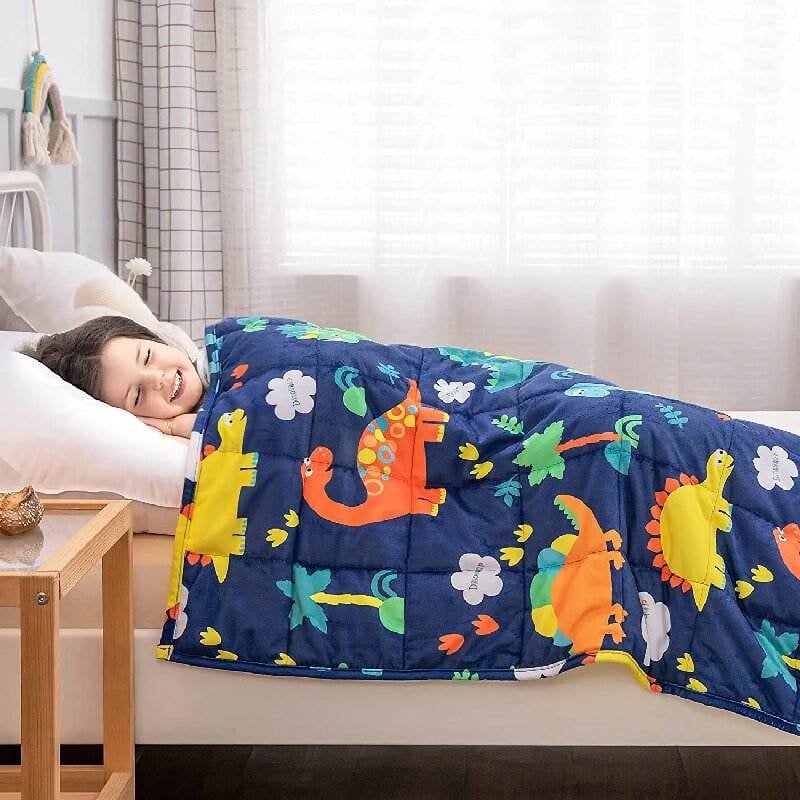
The weighted blanket market offers extensive options to accommodate different age groups, body weights, and sensory requirements. From lightweight therapeutic versions for children to substantial blankets for adults, manufacturers have responded to growing demand by creating a diverse range of products. This guide explores the weight options available in the market and provides practical guidance for making an informed selection.
For adults, a weighted blanket typically ranges from 10 to 30 pounds. Light-weight blankets, usually between 10 and 15 pounds, work well for individuals who prefer gentle pressure or sleep in warmer climates. Medium-weight options, typically 15 to 20 pounds, suit most average-sized adults and represent the most popular category. These weights provide sufficient deep pressure stimulation without causing excessive heat retention or discomfort during warm seasons. Many people find that a weighted blanket in this range improves sleep onset and reduces nighttime movement.
Heavier weighted blanket models, ranging from 20 to 30 pounds, are designed for larger adults or those seeking maximum therapeutic pressure. These options provide intensive sensory input suitable for individuals managing anxiety, PTSD, or significant sleep disturbances. A weighted blanket at the heavier end of the spectrum creates a cocoon-like sensation that some users find particularly grounding. However, heavier options may generate more heat, making them better suited for cooler sleeping environments or those who naturally run cold during sleep.
Manufacturers recognize that children require lighter weighted blankets than adults. A weighted blanket designed for children typically ranges from 3 to 12 pounds, depending on age and body weight. Industry standards generally recommend a blanket weight equivalent to approximately 10 percent of the child's body weight, plus one to two pounds. Lighter versions help children with sensory processing challenges, ADHD, or anxiety while remaining safe and comfortable. The weighted blanket market for younger users has expanded significantly as pediatric sleep specialists increasingly recommend these products for therapeutic purposes.
For seniors or individuals with limited mobility, weight considerations differ from average adults. A weighted blanket in the 8 to 15-pound range often works better for people with arthritis, reduced strength, or those who have difficulty managing heavier bedding. Lighter weighted blankets reduce the physical effort required to adjust the blanket during the night while still providing meaningful therapeutic benefits. Many seniors appreciate weighted blankets for their ability to reduce restless sleep and provide comfort without the complexity of adjusting multiple traditional blankets.
The fundamental principle for selecting a weighted blanket involves calculating approximately 10 percent of your body weight. An adult weighing 150 pounds would typically choose a weighted blanket between 15 and 17 pounds for optimal therapeutic effect. This calculation creates deep pressure stimulation without overwhelming the nervous system or causing discomfort. However, personal preference and individual sensitivity to pressure play important roles in final selection, so some users may prefer slightly lighter or heavier options than the standard calculation suggests.
Your sleeping environment influences which weighted blanket option works best. People living in warm climates or those who naturally sleep hot should consider the lighter end of their recommended weight range to avoid overheating. Conversely, individuals in cooler climates or those who enjoy sleeping under substantial bedding can comfortably use heavier models. Lifestyle factors also matter—traveling frequently might favor lighter weighted blankets for easier packing, while those with permanent bedroom setups can utilize heavier options without concern.
The weighted blanket industry now provides multiple weight options across every price point and quality level, making it accessible for diverse consumer needs. Starting with your calculated ideal weight based on body weight provides a solid foundation, but adjusting within a few pounds based on personal comfort ensures you maximize the therapeutic benefits. Many users report that experimenting with different weighted blanket weights within their recommended range helps identify their perfect sleep solution, confirming that individual preference ultimately guides the best selection.
If your weighted blanket exceeds an appropriate weight for your body, you may experience discomfort, restricted movement, or difficulty adjusting the blanket during sleep. An excessively heavy weighted blanket can trap body heat, causing overheating and disrupted sleep. Some users report feeling trapped or anxious under weighted blankets that are too heavy, defeating the therapeutic purpose. Starting with a lighter option and gradually transitioning to heavier models allows your body to adapt safely.
Most sleep specialists recommend against using adult-sized weighted blankets for children due to safety and comfort concerns. Adult weighted blankets are typically too heavy and may pose suffocation risks for younger users. Children require blankets specifically designed with their body weight and developmental stage in mind. Selecting an appropriately sized and weighted blanket ensures children receive therapeutic benefits while maintaining safety during sleep.
Heavier weighted blankets generally cost more than lighter options due to increased material and glass bead requirements. A weighted blanket at 30 pounds requires substantially more filling material than a 10-pound model, directly impacting manufacturing costs. However, price also reflects brand reputation, fabric quality, and construction standards rather than weight alone. Comparing weighted blanket options across similar weight ranges helps identify the best value for your budget.

2026/11/02
Struggling to choose the right living room rugs? Avoid costly mistakes with expert insights on size, material, durability, style & care. Get your perfect rug.

2026/11/03
Worried about infant falls during crawling? Discover how cushioned baby play mats absorb impact, and support motor development. Get expert safety tips now.

2026/11/04
Struggling with messy spills and tummy time needs? Discover waterproof, sensory, and tummy-time-optimized play mat surface. Compare materials now.

2026/11/05
Can a kids play mat reduce noise? Discover how thickness, foam density & full coverage deliver real acoustic relief. Get the guide.

2026/11/06
Why do kids slip on tile, laminate & polished wood? Discover how premium non-slip play mats anchor securely AND absorb impact. Boost safety.

2026/11/09
Tired of scrubbing stains and battling odors? Discover the 5 key kids play mat features—waterproof surfaces, washable covers, non-slip grip. See what makes maintenance effortless.

