 EN

What Should Buyers Know Before Ordering Living Room Rugs?
2026/11/02
Struggling to choose the right living room rugs? Avoid costly mistakes with expert insights on size, material, durability, style & care. Get your perfect rug.
Ordering area rugs in bulk represents a significant opportunity for retailers to expand inventory and meet growing customer demand across residential and commercial segments. However, successful bulk purchasing requires understanding multiple factors including supplier relationships, quality assurance, pricing structures, and inventory management. Retailers who master bulk area rug sourcing gain competitive pricing advantages, faster fulfillment capabilities, and stronger market positioning. This comprehensive guide outlines the essential knowledge retailers need when planning large-scale area rug orders.
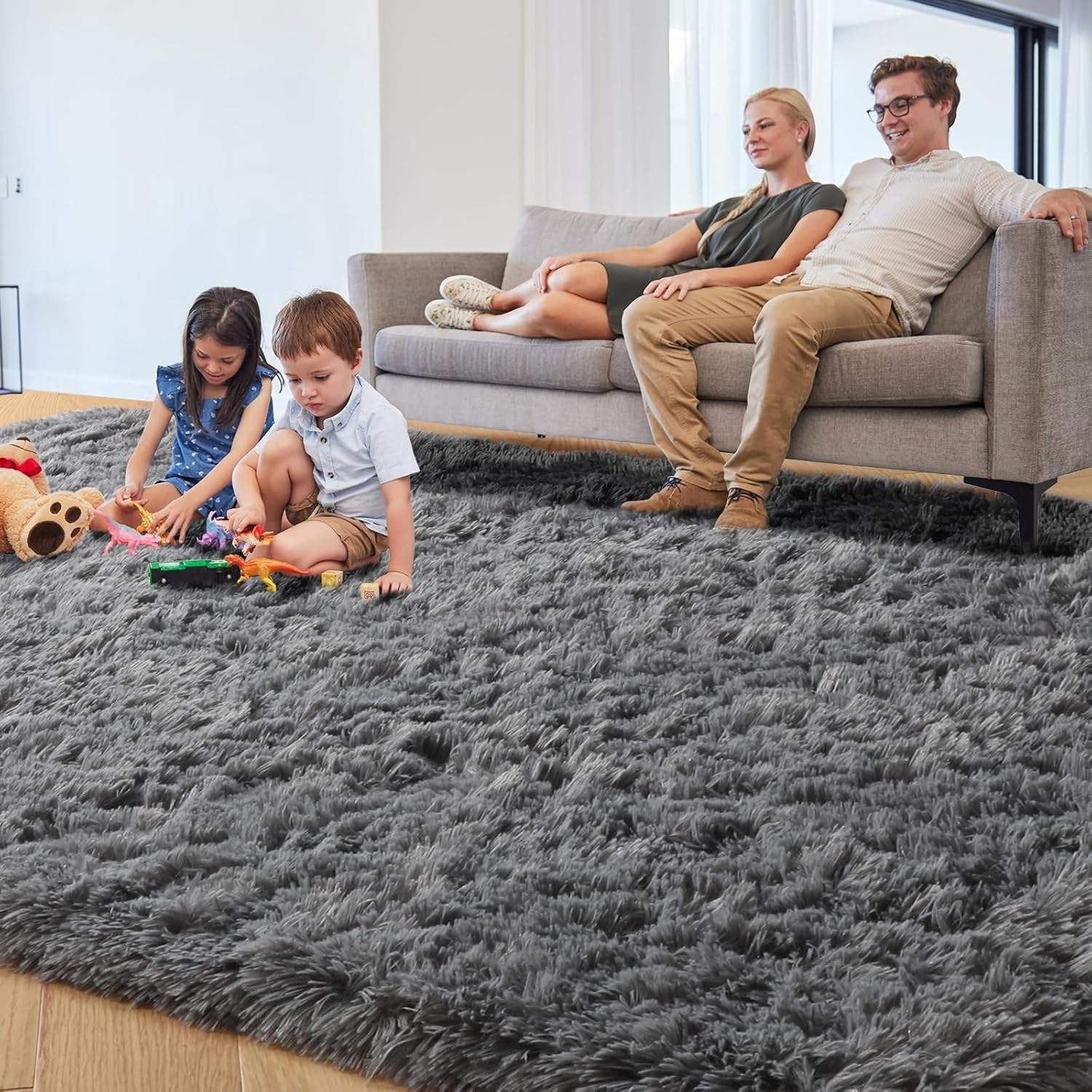
Bulk area rug ordering differs fundamentally from standard retail purchases. When retailers commit to large volumes, they unlock wholesale pricing, customization options, and direct supplier relationships that shape profitability and customer satisfaction. Understanding the mechanics of bulk purchasing, from initial supplier vetting through final delivery and quality inspection, enables retailers to build sustainable sourcing strategies and maintain consistent margins across their area rug product lines.
Bulk area rugs pricing typically follows a tiered discount model where per-unit costs decrease as order quantities increase. Retailers ordering 100 units receive different per-piece pricing than those ordering 500 or 1,000 units. Suppliers structure these tiers to encourage larger commitments while maintaining their margins. Volume discounts on area rugs can range from 15 to 40 percent below standard retail pricing, depending on supplier, material quality, design complexity, and market conditions. Understanding your supplier's pricing ladder before negotiating ensures you request competitive terms aligned with industry standards.
Successful bulk area rug negotiations extend beyond unit price. Retailers should address payment terms, such as net-30 or net-60 arrangements, which impact cash flow management. Minimum order quantities, setup fees for custom area rug designs, and freight cost responsibilities represent additional negotiation points. Long-term commitment contracts often yield better pricing than one-time orders. Building relationships with area rug suppliers through consistent business and transparent communication strengthens your negotiating position and opens doors to exclusive designs or exclusive regional rights for certain area rug styles.
Defining clear quality standards before placing large area rug orders protects your retail business from costly returns and customer dissatisfaction. Specifications should cover fiber composition, pile height, backing material, colorfastness, and dimensional accuracy. Request samples from potential suppliers and conduct durability testing on area rugs to ensure they meet your customer expectations. Quality assurance becomes increasingly critical in bulk area rug purchases because problems multiply across hundreds of units. Develop detailed product specifications and reference standards that suppliers must meet, then enforce these standards through inspection protocols before accepting shipments.
Evaluating suppliers of bulk area rugs requires more than comparing quoted prices. Request references from other retailers who purchase area rugs from the same supplier. Verify certifications, manufacturing capabilities, and inventory management systems. Ask about their quality control processes, typical defect rates, and return policies for area rugs. Understanding a supplier's production capacity ensures they can meet your bulk orders on schedule without compromising quality. Visit facilities when possible or request video tours of area rug manufacturing operations. Suppliers with transparent processes and strong track records provide greater confidence that bulk area rug orders arrive on time and meet specifications.
Bulk area rug orders typically require longer lead times than retail purchases, often ranging from 60 to 120 days depending on whether rugs are stock items or custom designs. Retailers must forecast demand accurately and place orders well in advance to avoid stockouts during peak seasons. International suppliers of area rugs may require additional lead time for shipping, customs clearance, and port processing. Building relationships with multiple area rug suppliers provides backup options if primary suppliers face production delays. Establish clear communication channels with suppliers to track bulk area rug production progress and receive advance notice of any anticipated delays.
Bulk area rug shipments require careful logistics coordination. Determine whether your supplier handles freight or you arrange transportation separately. LTL (less-than-truckload) shipments work for moderate bulk area rug volumes, while full truckload shipments become economical for very large orders. Understand incoterms agreements that define cost and risk responsibilities between retailer and supplier. Schedule delivery times that align with your warehouse capacity and receiving capabilities. Insurance coverage for area rugs in transit protects against damage or loss during international or long-distance shipments. Coordinate receiving inspections immediately upon delivery to identify any damage or quality issues before accepting the bulk area rug shipment.
Calculate your area rug sales velocity based on historical data, adjust for seasonal trends, and factor in your storage capacity. Start with conservative quantities if working with a new supplier, then scale up once you build confidence in their reliability and quality. Consider your cash flow requirements, as bulk area rug inventory ties up capital. Many retailers begin with 200 to 500 units per order and adjust based on performance and market response.
Establish return and replacement policies with your supplier before ordering. Most suppliers offer 30 to 90-day return windows for defective area rugs if reported promptly. Document damage with photographs immediately upon delivery and notify your supplier within specified timeframes. Maintain detailed records of inspections to support claims. Arrange return shipping with your supplier or negotiate credits toward future area rug orders to recover losses.
Most suppliers offer customization for bulk area rug orders, though minimums typically apply. Custom area rugs require longer lead times, higher setup fees, and larger minimum quantities, often 500 to 1,000 units. Standard inventory area rugs ship faster and cost less but offer less differentiation. Evaluate whether custom area rugs justify the additional time and investment based on your market positioning and profit margins.

2026/11/02
Struggling to choose the right living room rugs? Avoid costly mistakes with expert insights on size, material, durability, style & care. Get your perfect rug.

2026/11/03
Worried about infant falls during crawling? Discover how cushioned baby play mats absorb impact, and support motor development. Get expert safety tips now.

2026/11/04
Struggling with messy spills and tummy time needs? Discover waterproof, sensory, and tummy-time-optimized play mat surface. Compare materials now.

2026/11/05
Can a kids play mat reduce noise? Discover how thickness, foam density & full coverage deliver real acoustic relief. Get the guide.

2026/11/06
Why do kids slip on tile, laminate & polished wood? Discover how premium non-slip play mats anchor securely AND absorb impact. Boost safety.

2026/11/09
Tired of scrubbing stains and battling odors? Discover the 5 key kids play mat features—waterproof surfaces, washable covers, non-slip grip. See what makes maintenance effortless.

