 EN

What Should Buyers Know Before Ordering Living Room Rugs?
2026/11/02
Struggling to choose the right living room rugs? Avoid costly mistakes with expert insights on size, material, durability, style & care. Get your perfect rug.
Selecting the right baby play mat is one of the most important decisions new parents make for their child's development and safety. A quality baby play mat serves as a foundation for tummy time, crawling practice, and early movement exploration. However, not all baby play mats are created equal, and understanding what to look for can make a significant difference in your child's comfort and developmental progress.
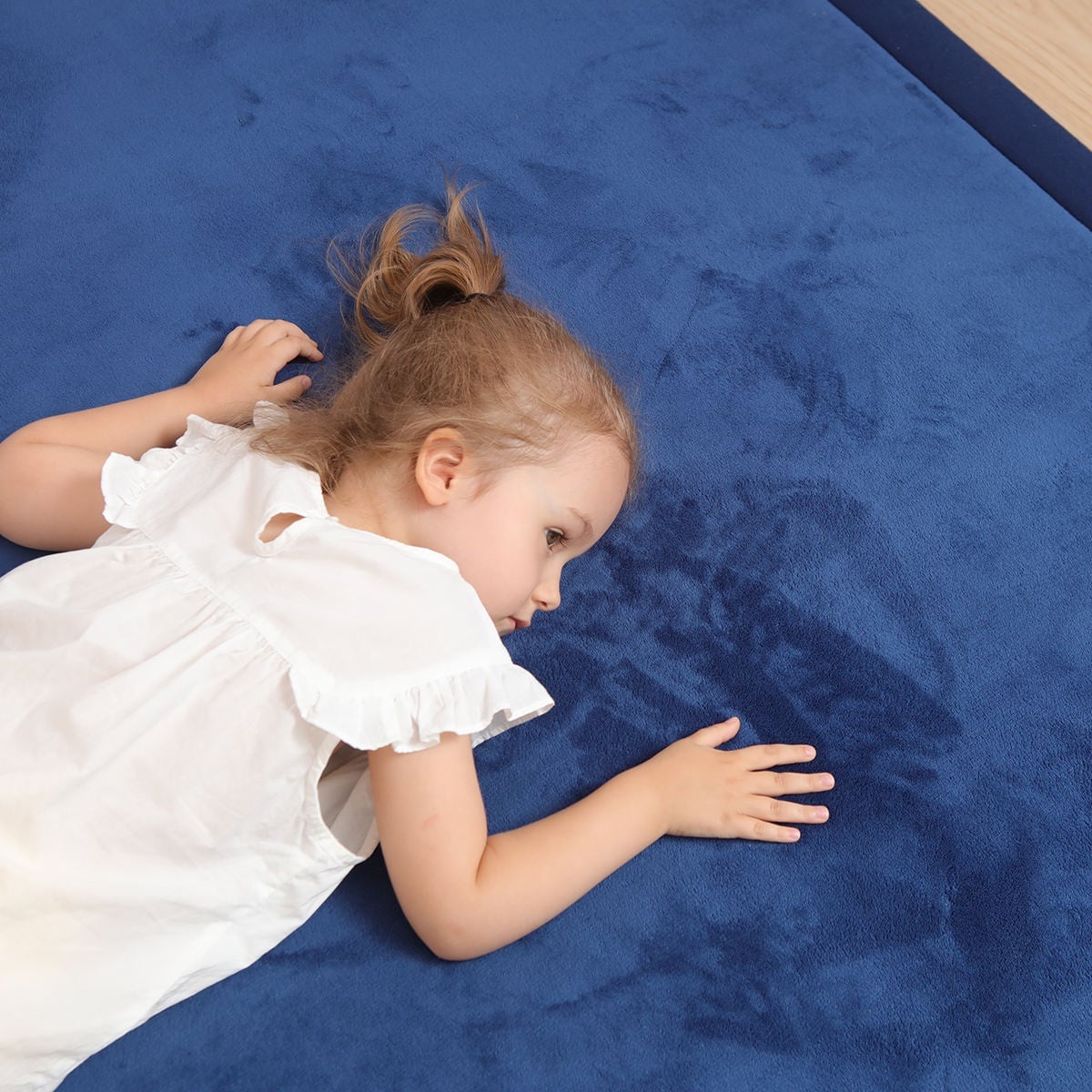
Before you purchase a baby play mat, it's essential to understand the various factors that contribute to a safe, durable, and developmentally appropriate product. This guide covers everything you need to know, from material composition and thickness to safety certifications and maintenance requirements, ensuring you make an informed choice for your little one.
Every baby play mat should comply with relevant safety standards that protect infants from harmful chemicals and design hazards. Look for certifications such as ASTM F963 or EN 71, which indicate the product has undergone rigorous testing for toy safety. These standards ensure that the baby play mat contains no lead, phthalates, or other toxic substances that could harm your child through skin contact or ingestion during the exploratory phase of infancy.
Material composition is equally critical when evaluating a baby play mat for your home. Non-toxic foam options like polyethylene or expanded polyethylene are preferable because they resist moisture, mildew, and bacterial growth. When examining the baby play mat before purchase, confirm that the outer fabric is also free from harmful dyes and chemicals, as infants frequently place their hands and faces against the surface.
The durability of a baby play mat directly impacts its lifespan and cost-effectiveness for your family. High-quality foam layers maintain their cushioning properties even after months of daily use, while inferior materials flatten and compress over time. A reliable baby play mat should retain its structural integrity through repeated washing, exposure to moisture from drool and accidents, and extended outdoor use in various weather conditions.
Examine the stitching and seam quality on any baby play mat you consider purchasing. Reinforced edges and double-stitched seams prevent fraying and separation, especially around high-stress areas. The cover material should be tightly woven yet soft to the touch, providing a safe, comfortable surface that won't irritate your baby's delicate skin during extended play sessions on the baby play mat.
Size is a practical consideration that depends on your living space and intended use of the baby play mat. A typical baby play mat ranges from 4 to 6 feet in length and 3 to 4 feet in width, providing adequate space for tummy time and crawling exploration without overwhelming smaller rooms. Thickness typically varies between half an inch and one inch; thicker options offer superior cushioning and protection but require more storage space.
Thickness directly affects the protective qualities of a baby play mat, particularly when placed on hard flooring like tile or wood. A one-inch foam baby play mat absorbs impact more effectively, reducing the risk of injury during falls as your child learns to sit, crawl, and eventually stand. For apartments or homes with carpet, a thinner baby play mat may suffice, while households with hard floors benefit from maximum cushioning.
Modern parents appreciate a baby play mat that adapts to their lifestyle, whether for travel, play dates, or moving between rooms. Lightweight, foldable designs make transportation easier while maintaining the structural integrity and safety features you need. Consider how easily the baby play mat can be rolled or folded, how much space it occupies in storage, and whether the folding mechanism could trap small fingers or create safety hazards.
Non-slip backing is an essential practical feature that prevents the baby play mat from shifting during active play. This feature becomes increasingly important as your child grows and moves more vigorously across the surface. A secure baby play mat reduces the risk of tripping or sliding, allowing your child to play confidently while you supervise with peace of mind.
Infant hygiene is paramount, so understanding how to maintain your baby play mat is crucial before making a purchase. Look for a baby play mat with a removable, machine-washable cover that can be cleaned regularly without damage to the underlying foam. Regular washing prevents the accumulation of dust, bacteria, and allergens that could affect your child's respiratory health or skin condition.
The foam layer of the baby play mat should be wipe-clean or spot-cleanable to address spills and accidents immediately. Check whether the baby play mat is waterproof or water-resistant, as these properties prevent moisture from seeping into the foam core and promoting mildew growth. A high-quality baby play mat resists odor absorption and maintains freshness even after extensive use in various environments.
The best baby play mat offers value that extends across multiple developmental stages, from newborn tummy time through toddler play and learning activities. Consider whether the design and aesthetics will remain appealing and functional as your child grows, rather than requiring replacement after a few months. Some baby play mat models are designed with reversible covers or neutral patterns that adapt to changing nursery themes and use cases.
Longevity and durability directly affect the true cost of ownership for a baby play mat. Investing in a well-constructed option prevents the frustration and expense of early replacement due to wear, damage, or deterioration. A quality baby play mat can serve subsequent children or be repurposed for guest playdates, maximizing your investment and reducing environmental waste from disposable products.
A one-inch foam baby play mat typically provides optimal protection for falls and impact absorption on hard flooring. For carpeted surfaces, a half-inch to three-quarter-inch thickness is usually adequate. The best choice depends on your home's flooring type and the age of your child, with thicker options offering greater cushioning as infants transition to independent movement.
Most baby play mats with removable covers are machine-washable on gentle cycles with mild detergent. However, the foam core itself should never go in the washing machine, as this can damage its structure and compromise safety features. Always check the manufacturer's care instructions for your specific baby play mat model to ensure proper cleaning and maintenance.
A well-maintained, high-quality baby play mat can last several years through multiple children and varying use conditions. With proper cleaning, storage away from direct sunlight, and careful handling, your baby play mat should remain functional and safe for at least three to five years of regular use, making it an economical investment for developing families.

2026/11/02
Struggling to choose the right living room rugs? Avoid costly mistakes with expert insights on size, material, durability, style & care. Get your perfect rug.

2026/11/03
Worried about infant falls during crawling? Discover how cushioned baby play mats absorb impact, and support motor development. Get expert safety tips now.

2026/11/04
Struggling with messy spills and tummy time needs? Discover waterproof, sensory, and tummy-time-optimized play mat surface. Compare materials now.

2026/11/05
Can a kids play mat reduce noise? Discover how thickness, foam density & full coverage deliver real acoustic relief. Get the guide.

2026/11/06
Why do kids slip on tile, laminate & polished wood? Discover how premium non-slip play mats anchor securely AND absorb impact. Boost safety.

2026/11/09
Tired of scrubbing stains and battling odors? Discover the 5 key kids play mat features—waterproof surfaces, washable covers, non-slip grip. See what makes maintenance effortless.

