 EN

What Should Buyers Know Before Ordering Living Room Rugs?
2026/11/02
Struggling to choose the right living room rugs? Avoid costly mistakes with expert insights on size, material, durability, style & care. Get your perfect rug.
Selecting the right kids play mat is one of the most important purchasing decisions parents make for their child's development and safety. A quality kids play mat provides a clean, cushioned surface where children can play, crawl, and explore without unnecessary risk. However, with countless options available in the market, understanding what to prioritize when shopping for a kids play mat helps ensure you invest in a product that truly meets your family's needs.
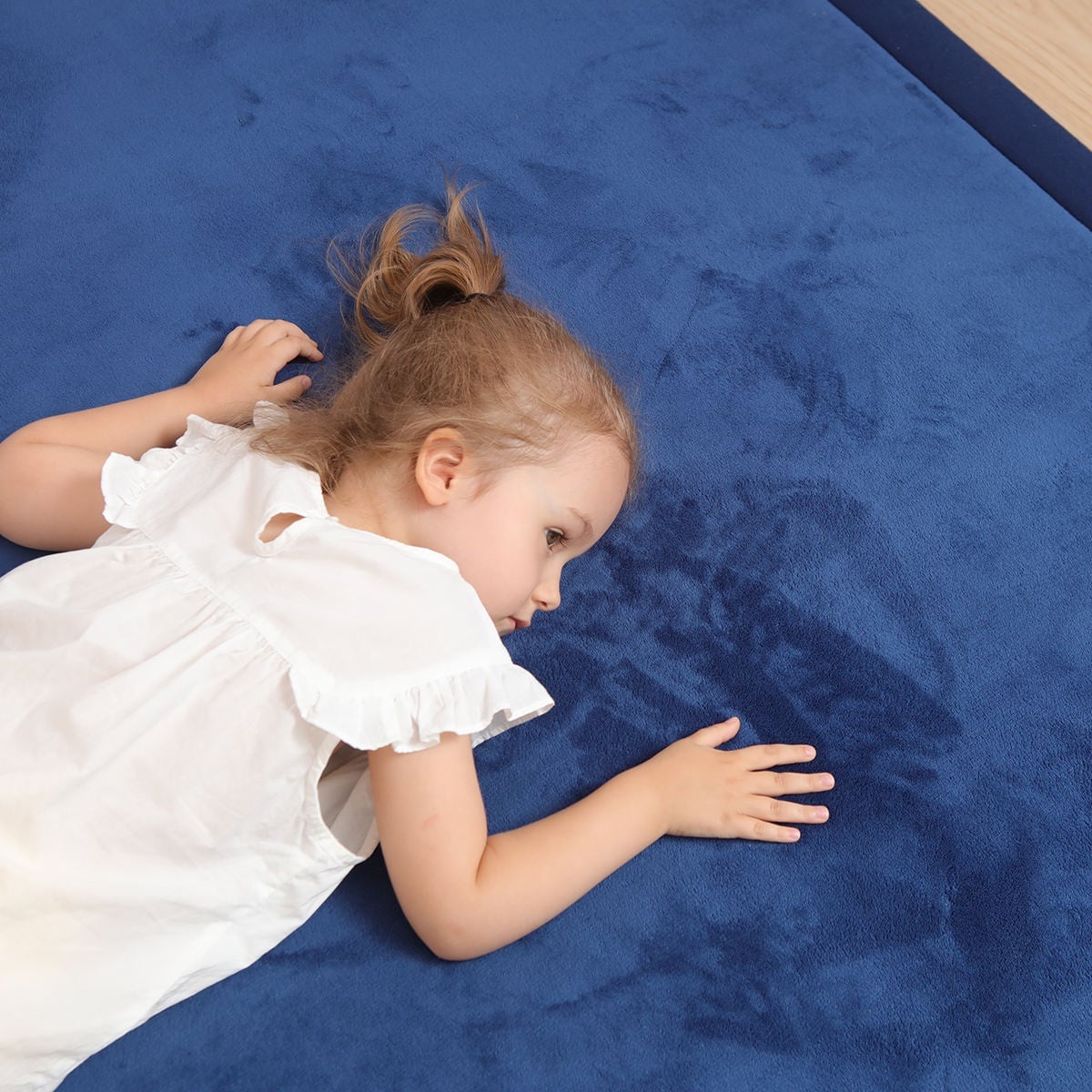
Beyond basic appearance, parents face practical questions about durability, maintenance, and long-term value. A well-chosen kids play mat grows with your child, supporting safe play during critical developmental stages while remaining easy to clean and store. This guide walks you through the essential factors that distinguish quality products from poor choices.
The material composition of a kids play mat directly impacts your child's health and exposure to harmful substances. Look for mats made from non-toxic foam, natural rubber, or certified sustainable materials that meet safety certifications. Many quality kids play mat options are manufactured from high-density foam or ethylene-vinyl acetate (EVA), which offer cushioning while remaining free from phthalates, BPA, and heavy metals. Always check for third-party certifications from organizations like CPSC or international safety standards to confirm the kids play mat complies with regulatory requirements.
A safe kids play mat must allow adequate airflow to prevent moisture buildup, which can foster mold and bacterial growth. Dense foam materials should include open-cell or semi-open structures that prevent moisture from becoming trapped underneath. Additionally, the surface covering—whether fabric, vinyl, or laminated material—should resist moisture while remaining breathable. For infants and toddlers who spend prolonged periods on the kids play mat, moisture resistance prevents the growth of microorganisms that could cause skin irritation or respiratory issues.
The durability of a kids play mat determines its true cost over time. High-quality mats feature reinforced seams, multi-layer construction, and materials engineered to withstand repeated use, spills, and the wear patterns that come with active children. When evaluating a kids play mat, examine whether seams are stitched or heat-sealed and whether the surface material shows signs of poor bonding to underlying foam. A well-constructed kids play mat maintains structural integrity even after years of daily use and regular washing.
Parents need a kids play mat that can be cleaned quickly without special procedures or expensive maintenance. Surface materials should be wipeable with mild soap and water, machine-washable where applicable, or protected by removable, washable covers. Some kids play mat designs include waterproof backing that makes spot-cleaning simple, while others feature materials prone to staining or requiring dry cleaning. Consider your household's typical spill scenarios—formula, juice, dirt from outdoor play—and verify that your chosen kids play mat can handle these common challenges without permanent damage or requiring professional cleaning.
The appropriate size for a kids play mat depends on available space, intended use, and the child's current developmental stage. Newborns and very young infants may use compact mats, while toddlers benefit from larger surface areas for crawling, walking, and play. Consider whether the kids play mat will remain in one room or move between locations, as portability may require a smaller, lighter option. Many families find that a medium-to-large kids play mat accommodates siblings and extended play sessions without consuming excessive floor space.
Thickness directly affects the cushioning protection and comfort level of a kids play mat. Mats between one-half inch and one inch thick provide adequate shock absorption for typical play activities, falls, and crawling. Thicker kids play mat options, typically one-and-a-half inches or more, offer enhanced protection for children who are learning to walk or who have mobility challenges, but they may be harder to fold and store. Thickness also influences the kids play mat's stability—materials that are too thin may shift during active play, creating safety concerns, while excessively thick mats can be difficult for parents to manage and may occupy considerable storage space.
A thoughtfully designed kids play mat supports developmental engagement while maintaining visual interest for growing children. Patterns, colors, and educational elements—such as alphabet letters, numbers, or shapes—enhance the play experience and support early learning without being overly stimulating. Some parents prefer neutral, monochromatic kids play mat designs for flexibility in home decor, while others choose vibrant options that create a dedicated play zone. The surface finish should be smooth to prevent catching on clothing or skin while remaining textured enough to prevent slipping.
Most families need to store or transport their kids play mat occasionally, making lightweight, compact design valuable. Mats that roll up easily, fold into manageable packages, or include carrying handles simplify storage and travel. Some kids play mat models feature interlocking tiles that allow you to adjust size and configuration based on current needs, offering flexibility as your child grows. Consider where you'll store the kids play mat during off-hours and whether your chosen design allows practical storage without occupying excessive closet or garage space.
Most toddlers benefit from a kids play mat between three-quarters inch and one-and-a-half inches thick. This thickness range provides sufficient cushioning to absorb impact from falls while remaining stable enough to support walking practice. The ideal thickness depends on your home's flooring type—concrete or tile may warrant thicker padding, while carpeted areas need less cushioning. Always verify that the kids play mat you choose meets safety thickness standards for your child's age and developmental stage.
High-density foam and natural rubber are excellent materials for a kids play mat, as both offer cushioning, durability, and non-toxic safety profiles. EVA foam is another popular choice, offering lightweight portability without sacrificing protection. The best kids play mat material ultimately depends on your priorities—if durability is paramount, consider thicker foam options; if portability matters most, EVA or lightweight materials suit travel better. Always verify that your chosen kids play mat material has passed relevant safety certifications and contains no harmful chemicals.
A kids play mat should be spot-cleaned immediately after spills and given a thorough weekly cleaning with mild soap and water. High-traffic play areas may accumulate dust and crumbs more quickly, requiring daily surface wiping. Monthly deep cleaning—whether by vacuuming, gentle machine washing of removable covers, or sanitizing spray—helps maintain hygiene and extends the lifespan of your kids play mat. Regular maintenance prevents the buildup of bacteria, allergens, and odors while keeping the kids play mat looking fresh and inviting.

2026/11/02
Struggling to choose the right living room rugs? Avoid costly mistakes with expert insights on size, material, durability, style & care. Get your perfect rug.

2026/11/03
Worried about infant falls during crawling? Discover how cushioned baby play mats absorb impact, and support motor development. Get expert safety tips now.

2026/11/04
Struggling with messy spills and tummy time needs? Discover waterproof, sensory, and tummy-time-optimized play mat surface. Compare materials now.

2026/11/05
Can a kids play mat reduce noise? Discover how thickness, foam density & full coverage deliver real acoustic relief. Get the guide.

2026/11/06
Why do kids slip on tile, laminate & polished wood? Discover how premium non-slip play mats anchor securely AND absorb impact. Boost safety.

2026/11/09
Tired of scrubbing stains and battling odors? Discover the 5 key kids play mat features—waterproof surfaces, washable covers, non-slip grip. See what makes maintenance effortless.

