 EN

What Should Buyers Know Before Ordering Living Room Rugs?
2026/11/02
Struggling to choose the right living room rugs? Avoid costly mistakes with expert insights on size, material, durability, style & care. Get your perfect rug.
Ordering a weighted blanket represents a meaningful investment in sleep quality and comfort, yet many buyers make choices without understanding key factors that determine whether the product will deliver real value. A weighted blanket works by applying gentle, distributed pressure across your body, a therapeutic technique grounded in deep pressure stimulation therapy. However, the effectiveness of your weighted blanket depends entirely on selecting the right specifications, understanding material composition, and knowing how to integrate it into your sleep routine. Before placing an order, informed buyers need to evaluate weight distribution, fabric quality, construction standards, and personal fit criteria that directly impact long-term satisfaction and genuine health benefits.
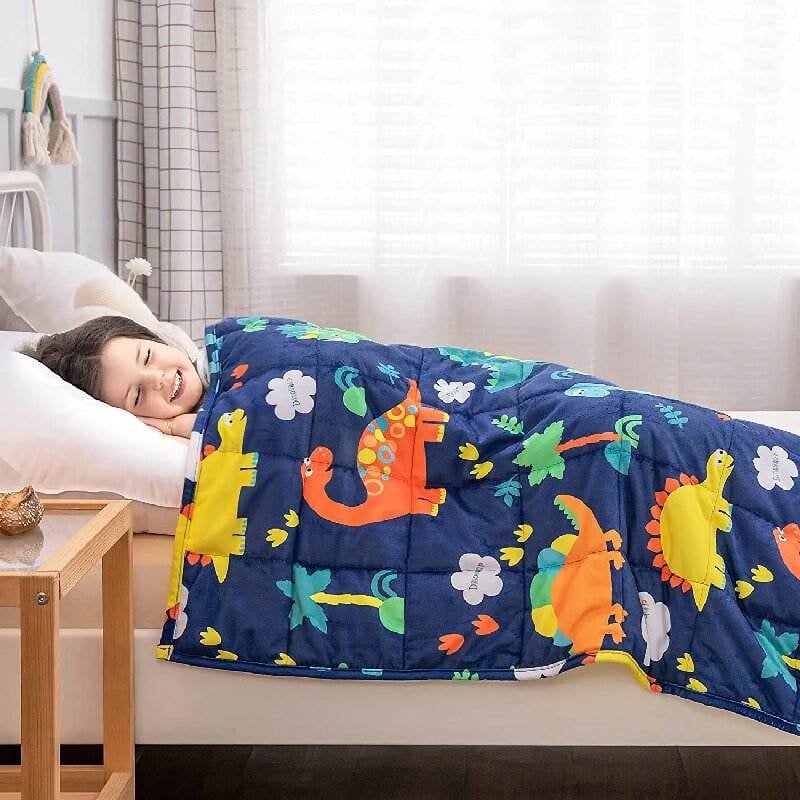
The decision to purchase a weighted blanket should be grounded in practical knowledge about how these products function, what medical research supports, and which specifications align with your specific needs. Too many buyers focus solely on price or brand reputation while overlooking technical details that separate high-performing weighted blankets from mediocre options. This guide covers the essential buyer knowledge that ensures your weighted blanket purchase becomes a lasting source of comfort rather than unused bedding stored in a closet.
The most critical specification for any weighted blanket purchase is selecting the correct weight, which should typically represent 5 to 10 percent of your body weight. This range ensures the blanket provides therapeutic pressure without feeling uncomfortably heavy or causing circulation issues. A weighted blanket that is too light fails to deliver meaningful deep pressure stimulation, while an excessively heavy blanket can create stress on joints, restrict movement during sleep, and cause overheating. Industry standards recommend calculating your ideal weighted blanket weight by multiplying body weight by 0.07, which lands in the optimal therapeutic zone for most users. For example, a 150-pound adult would benefit most from a weighted blanket in the 10 to 15-pound range, where the pressure feels supportive rather than restrictive.
Not all weighted blankets distribute weight equally, and this variation significantly affects comfort and therapeutic value. Premium weighted blankets use segmented compartments or quilted channels that divide weight into small sections throughout the blanket, preventing clusters of material from shifting toward the bottom or corners. A poorly constructed weighted blanket allows filling to migrate during washing or normal use, creating hot spots and cold zones that disrupt sleep. When evaluating a weighted blanket before ordering, examine construction photos closely to confirm that stitching patterns create small compartments rather than large pockets. This structural detail directly determines whether your weighted blanket will maintain consistent pressure distribution night after night, year after year.
The outer fabric of your weighted blanket determines comfort, breathability, temperature regulation, and long-term durability. High-quality weighted blanket options feature breathable natural fibers like cotton or blended fabrics that wick moisture and prevent heat accumulation during sleep. Minky dot fabrics, microfiber, and hybrid cotton blends offer different tactile experiences—minky provides ultra-soft texture, while cotton-based weighted blanket fabrics offer superior temperature regulation for warm climates. Buyers should verify that the fabric has a high thread count, typically 300 or higher, which indicates denser weaving that resists pilling, wear, and degradation. Before ordering a weighted blanket, confirm that the manufacturer specifies fabric composition clearly and provides care instructions that protect the investment through regular washing.
The internal filling of a weighted blanket determines weight, hypoallergenic properties, and environmental safety. Glass beads represent the most common filling material in premium weighted blankets, offering durability, even weight distribution, and non-toxic composition. Some weighted blanket options use plastic pellets, sand, or organic materials, each with different benefits and drawbacks regarding moisture absorption, durability, and allergen potential. Buyers should verify that any weighted blanket they order meets safety certifications and contains no lead, cadmium, or other harmful substances, particularly if children will use the blanket. Quality manufacturers provide transparency about filling materials, particle size, and whether the inner barrier prevents beads from escaping if the outer fabric develops small tears.
Selecting the correct size for your weighted blanket ensures proper coverage, safety, and optimal therapeutic pressure application. Standard weighted blanket sizes range from 36 by 48 inches for children to 60 by 80 inches for queen and full beds. A weighted blanket should cover most of your body without hanging excessively over the mattress edge or creating suffocation hazards if you pull it over your face. For beds shared between partners, consider whether you prefer an individual weighted blanket for each person or one larger weighted blanket that covers both sleepers. When ordering a weighted blanket, measure your mattress dimensions and account for pillow height to ensure the blanket aligns with your sleeping position and bed frame configuration.
Before committing to a weighted blanket purchase, understand the maintenance requirements and expected lifespan based on construction quality and fabric type. Most weighted blankets remain effective for three to seven years with proper care, though premium options with reinforced stitching and high-quality fabrics often exceed this range. Machine-washable weighted blankets offer convenience but require careful attention to water temperature, detergent type, and drying methods to prevent damage to internal compartments or filling migration. Buyers should confirm whether the weighted blanket requires a removable cover for washing, whether seams are reinforced to withstand frequent laundering, and whether the manufacturer offers repair services. Investing in a weighted blanket means understanding that quality fabrics, construction techniques, and material selection directly correlate with years of reliable use versus premature deterioration.
Scientific research supports weighted blanket use for reducing anxiety, improving sleep onset, and decreasing nighttime restlessness through deep pressure stimulation. However, individual responses vary significantly based on sensory preferences, underlying sleep conditions, and personal health factors. A weighted blanket may dramatically improve sleep quality for someone with anxiety or autism spectrum sensory needs, while providing minimal benefit to someone whose sleep issues stem from sleep apnea or chronic pain conditions. Buyers should approach a weighted blanket purchase with realistic expectations that the product works best as part of a comprehensive sleep hygiene routine including consistent bedtime, cool room temperature, and reduced screen time. Before ordering a weighted blanket, consider your specific sleep challenges and whether deep pressure stimulation aligns with your needs rather than assuming universal benefits.
Certain health conditions and medications warrant caution before ordering a weighted blanket, making pre-purchase research essential for safe use. Individuals with circulatory disorders, certain heart conditions, respiratory issues, or joint problems should consult healthcare providers before using a weighted blanket, as the gentle pressure could complicate existing conditions. Claustrophobic individuals may experience anxiety rather than comfort from a weighted blanket, and very young children require weighted blankets specifically designed for pediatric safety with appropriate weight ratios. Pregnant women should verify that a weighted blanket allows comfortable positioning and does not restrict breathing or create pressure on the abdomen. A responsible weighted blanket purchase decision incorporates honest assessment of personal health factors and professional guidance when uncertainty exists.
Your weighted blanket weight should typically represent 5 to 10 percent of your body weight, with 7 percent being optimal for most people. A weighted blanket that is too light provides insufficient therapeutic pressure, while an excessively heavy blanket can cause joint stress and sleep disruption. Calculating your ideal weight by multiplying body weight by 0.07 provides a reliable starting point, and most users find their preferred weighted blanket within this science-backed range.
Most modern weighted blankets support regular washing, but care instructions vary significantly based on fabric type and construction. Always check manufacturer guidelines before ordering a weighted blanket, as some require cold water, gentle cycles, or professional cleaning to prevent damage to internal compartments and filling materials. Blankets with removable covers offer easier maintenance and longer overall lifespan compared to weighted blankets without this feature.
A weighted blanket designed specifically for children with appropriate weight ratios and safety features can be safe and beneficial, but age and development level matter significantly. Children under three years old should not use a weighted blanket due to suffocation risk, while older children benefit from lightweight weighted blankets at 5 to 7 percent of body weight. Always verify that a children's weighted blanket meets safety certifications and purchase options designed specifically for pediatric use rather than scaled-down adult versions.

2026/11/02
Struggling to choose the right living room rugs? Avoid costly mistakes with expert insights on size, material, durability, style & care. Get your perfect rug.

2026/11/03
Worried about infant falls during crawling? Discover how cushioned baby play mats absorb impact, and support motor development. Get expert safety tips now.

2026/11/04
Struggling with messy spills and tummy time needs? Discover waterproof, sensory, and tummy-time-optimized play mat surface. Compare materials now.

2026/11/05
Can a kids play mat reduce noise? Discover how thickness, foam density & full coverage deliver real acoustic relief. Get the guide.

2026/11/06
Why do kids slip on tile, laminate & polished wood? Discover how premium non-slip play mats anchor securely AND absorb impact. Boost safety.

2026/11/09
Tired of scrubbing stains and battling odors? Discover the 5 key kids play mat features—waterproof surfaces, washable covers, non-slip grip. See what makes maintenance effortless.

