 EN

What Should Buyers Know Before Ordering Living Room Rugs?
2026/11/02
Struggling to choose the right living room rugs? Avoid costly mistakes with expert insights on size, material, durability, style & care. Get your perfect rug.
Selecting the right area rugs for your home involves more than just picking a color that matches your furniture. Area rugs serve as functional and aesthetic anchors in any room, defining spaces, adding comfort, and contributing significantly to the overall design of your interior. Before making a purchase, buyers need to understand key factors that determine whether a rug will perform well, last long, and enhance their living environment. This guide walks you through the essential considerations that separate a great rug choice from a costly mistake.
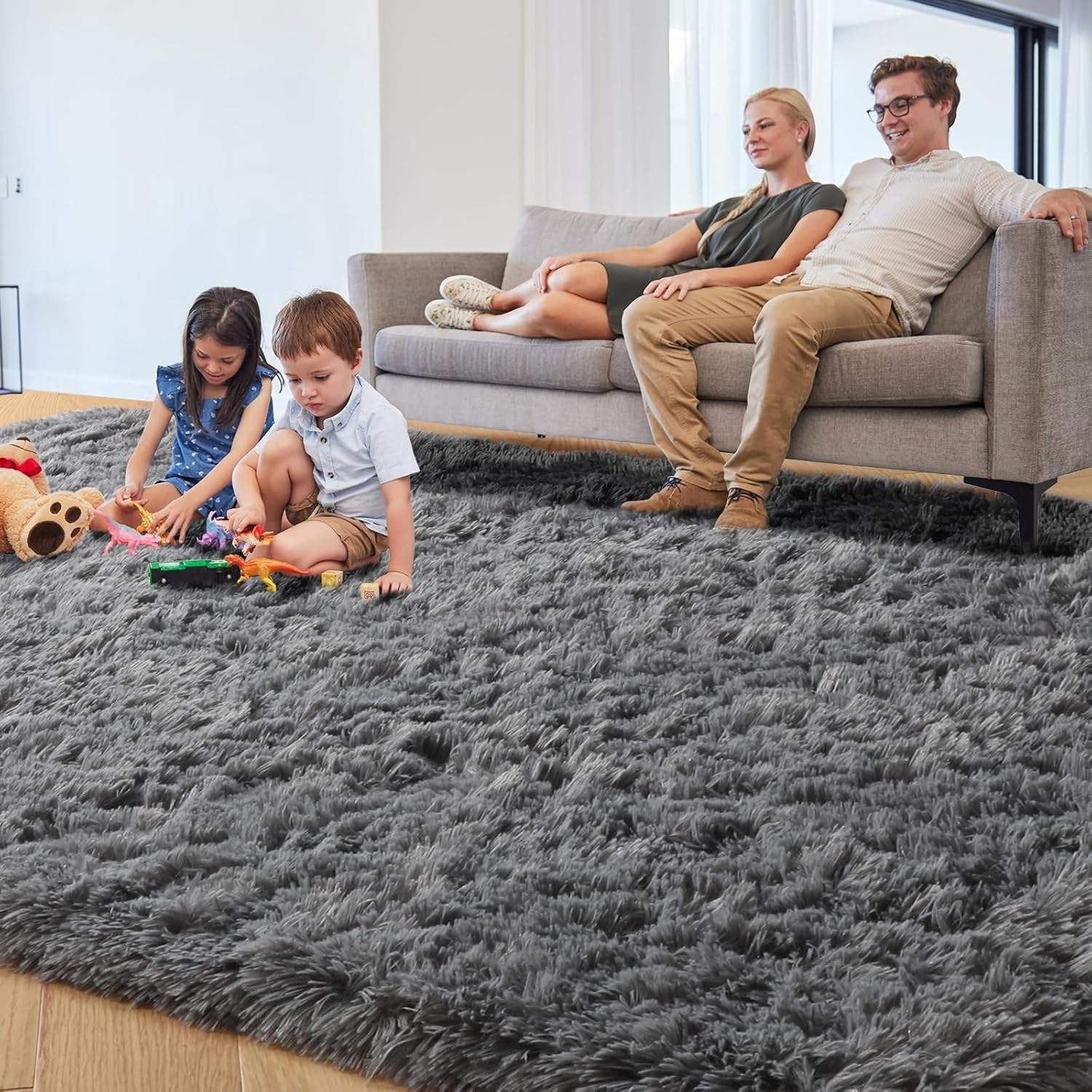
Understanding the fundamentals of area rug selection empowers you to make informed decisions that align with your lifestyle, budget, and design preferences. Whether you're furnishing a high-traffic living room, a cozy bedroom, or a professional office, the right area rugs can transform a space while standing up to daily wear. This article explores the critical elements you should evaluate before bringing area rugs into your home.
The foundation of any successful rug purchase starts with accurate measurements. Area rugs come in standard sizes ranging from small accent rugs to large statement pieces that anchor entire rooms. In living rooms, many designers recommend that area rugs should extend at least 18 inches beyond the seating arrangement, creating a cohesive visual boundary. Bedrooms typically benefit from area rugs positioned on either side of the bed or a large rug underneath, while hallways and entryways need narrower options. Taking time to measure your room dimensions and furniture placement prevents the common problem of purchasing area rugs that are either too small to make an impact or too large for the space.
How you position area rugs fundamentally changes the perception of room flow and functionality. In open-concept homes, area rugs define distinct zones without physical barriers, making them invaluable for organizing spaces. Placing area rugs under the front legs of sofas and chairs creates visual grounding, while centered placement works well in dining areas and bedrooms. The strategic use of area rugs can make small rooms feel larger by drawing the eye across the entire floor, or they can make vast spaces feel more intimate by anchoring furniture groupings. Buyers should visualize furniture arrangement before purchasing area rugs to ensure the size and placement align with their intended layout.
Area rugs are crafted from diverse materials, each offering distinct advantages and limitations. Natural fiber options like wool, jute, and sisal provide durability, warmth, and environmental appeal, though they can absorb moisture and may attract insects if not properly maintained. Synthetic materials such as polypropylene and nylon are stain-resistant, affordable, and ideal for high-traffic areas and homes with children or pets. Blended options combine the aesthetic benefits of natural fibers with the practical stain resistance of synthetics. When evaluating area rugs, consider your household's specific needs—a pet-friendly family might prioritize easy-clean synthetics, while a low-traffic formal dining room could showcase luxurious natural fiber area rugs.
Understanding your home's foot traffic patterns helps determine which material will perform longest in area rugs. High-traffic zones like hallways, kitchens, and family rooms demand durable, easy-to-clean options that resist crushing and staining. Area rugs placed in these locations should feature tight weaves and synthetic fibers that withstand daily wear without deteriorating. Low-traffic spaces such as bedrooms, home offices, or formal living rooms offer more flexibility, allowing buyers to prioritize comfort and aesthetics over extreme durability. Regular vacuuming extends the life of any area rugs, while spot-cleaning capabilities and professional cleaning options vary by material. Buyers should honestly assess their willingness to maintain area rugs before selecting premium natural fibers that require special care.
Area rugs serve as powerful design statements that either unify or define a room's aesthetic direction. Neutral-toned area rugs in beige, gray, or charcoal provide versatility and longevity as your decor evolves, making them safer investments for indecisive buyers. Bold patterns and colors in area rugs can energize a space but may limit your ability to update furniture and accessories later without clashing. Traditional, contemporary, minimalist, bohemian, and eclectic styles all find expression through area rug selection. Buyers should gather inspiration from design magazines, social media, and showrooms to understand how area rugs interact with flooring, walls, and existing furnishings in their home.
The texture and visual complexity of area rugs significantly influence the mood and functionality of a room. Plush, soft area rugs invite relaxation and comfort, making them ideal for bedrooms and cozy seating areas. Flat-weave area rugs suit contemporary designs and high-traffic zones where debris is easily visible and vacuumed. Textured area rugs add depth and interest to minimalist spaces, while patterned options can complement solid furniture or introduce a new color palette. Low-profile area rugs work better in modern kitchens and entryways, whereas thicker shag area rugs create luxury and coziness in family rooms. Consider how pattern and texture align with your lifestyle and maintenance comfort level when evaluating area rugs for your specific rooms.
Area rugs span an enormous price range, from budget-friendly options under $100 to luxury handwoven pieces exceeding $10,000. Quality indicators in area rugs include knot density for woven rugs, fiber type, construction method, and brand reputation. Mid-range area rugs, typically $200–$800, offer good durability and design variety suitable for most households. Expensive area rugs often feature premium natural materials, intricate designs, or artisanal craftsmanship that justifies their cost over decades. Buyers should establish a realistic budget before shopping and understand that paying slightly more for area rugs often results in better longevity and satisfaction than purchasing the cheapest option available.
The true value of area rugs emerges over years of use, not during the initial purchase. A high-quality, versatile rug used daily for ten years delivers far better value than three cheaper rugs replaced every three years due to wear. Factors like warranty coverage, stain protection treatments, and resale potential add to the financial case for investing in quality area rugs. Buyers should also consider whether their area rugs complement a timeless design style or chase fleeting trends, as classic pieces retain value while trendy options become dated quickly. Understanding the lifecycle cost of area rugs—initial purchase, maintenance, repairs, and eventual replacement—helps justify spending more upfront for superior quality and durability.
Living room area rugs typically measure 8x10 or 9x12 feet to anchor furniture groupings. Bedroom area rugs work well at 5x8 or 6x9 feet on each side of the bed. Dining room area rugs should extend 24 inches beyond the table on all sides to accommodate chair movement. The general rule is that area rugs should feel proportional to the room size and furniture arrangement, neither overwhelming the space nor appearing insignificant.
Synthetic materials like polypropylene and nylon are ideal for pet-owners because area rugs made from these fibers resist staining, are easy to clean, and withstand claws and heavy traffic. Wool blends offer durability but require more maintenance. Avoid delicate natural fibers like silk or pure sisal for area rugs in pet households, as these materials stain easily and wear quickly under the demands of active pets.
Yes, when properly installed, area rugs protect hardwood floors from scratches and fading. Use quality rug pads beneath area rugs to prevent slipping and allow wood floors to breathe, preventing moisture accumulation that could cause warping. High-quality rug pads with non-slip backing keep your area rugs stationary while protecting your floors, making them essential for any area rug placement over hardwood.

2026/11/02
Struggling to choose the right living room rugs? Avoid costly mistakes with expert insights on size, material, durability, style & care. Get your perfect rug.

2026/11/03
Worried about infant falls during crawling? Discover how cushioned baby play mats absorb impact, and support motor development. Get expert safety tips now.

2026/11/04
Struggling with messy spills and tummy time needs? Discover waterproof, sensory, and tummy-time-optimized play mat surface. Compare materials now.

2026/11/05
Can a kids play mat reduce noise? Discover how thickness, foam density & full coverage deliver real acoustic relief. Get the guide.

2026/11/06
Why do kids slip on tile, laminate & polished wood? Discover how premium non-slip play mats anchor securely AND absorb impact. Boost safety.

2026/11/09
Tired of scrubbing stains and battling odors? Discover the 5 key kids play mat features—waterproof surfaces, washable covers, non-slip grip. See what makes maintenance effortless.

