 EN

What Should Buyers Know Before Ordering Living Room Rugs?
2026/11/02
Struggling to choose the right living room rugs? Avoid costly mistakes with expert insights on size, material, durability, style & care. Get your perfect rug.
Parents selecting play mats for babies must understand the critical safety standards these products must meet. Baby play mats serve as essential developmental tools, providing safe surfaces for infants and toddlers to explore, practice motor skills, and engage with their environment. However, not all play mats are created equal, and regulatory compliance directly impacts your child's health and well-being. Understanding which standards apply ensures parents make informed purchasing decisions that protect their babies from potential hazards.
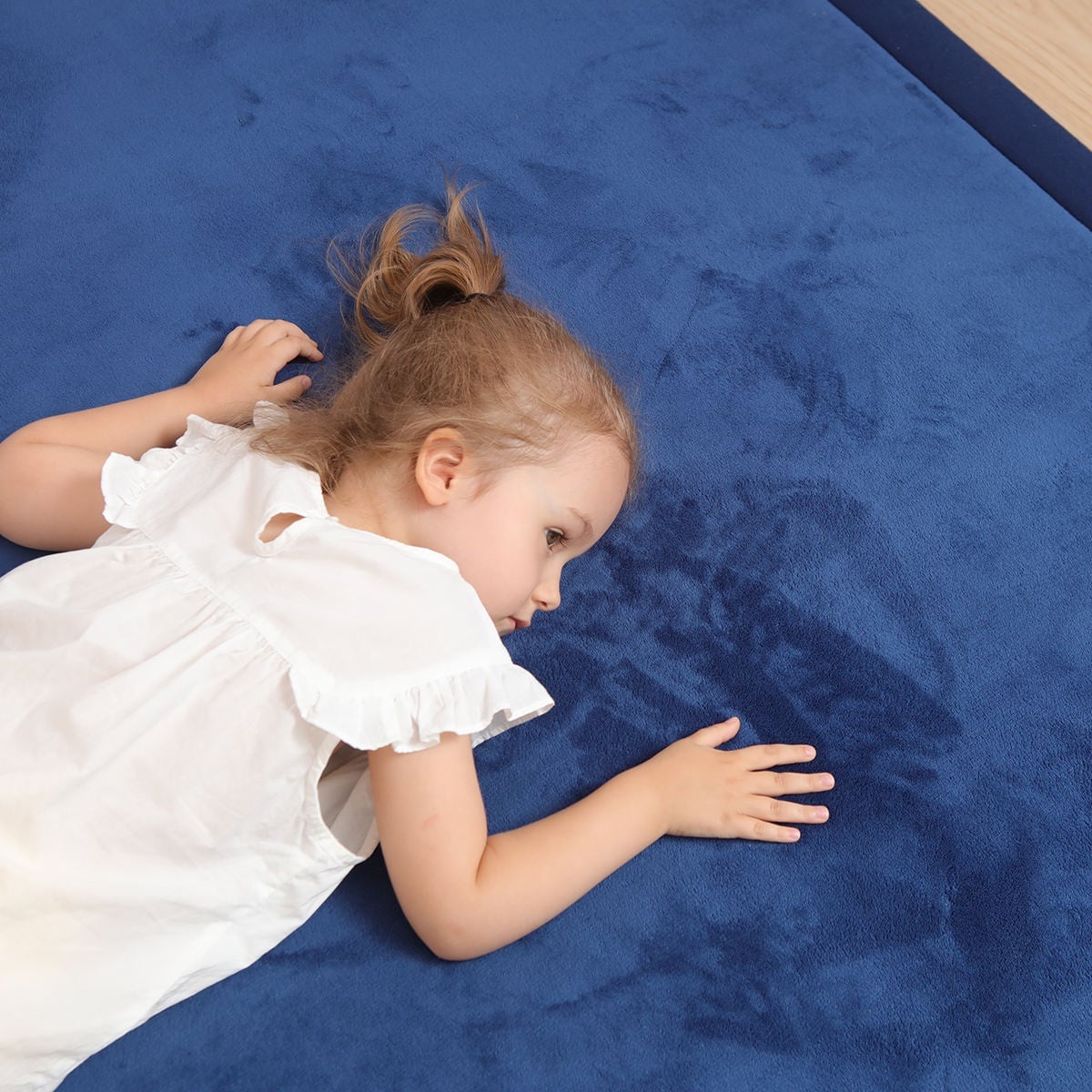
The safety landscape for baby play mats involves multiple regulatory frameworks designed to eliminate toxic chemicals, choking hazards, and structural defects. Major certifications include CPSIA compliance, ASTM standards, and international certifications such as CE marking in Europe. These standards address foam density, surface treatments, chemical composition, and structural integrity. When evaluating play mats for babies, parents should verify that manufacturers have conducted third-party testing and maintain transparency about material sourcing and production processes.
Quality play mats for babies must feature foam cores that meet specific density and composition requirements. CPSIA regulations prohibit certain phthalates and heavy metals that were historically used in foam formulations. The foam density should be sufficient to provide support and cushioning without compressing excessively under a baby's weight. Manufacturers of premium play mats for babies typically use non-toxic, food-grade foam materials certified as latex-free and formaldehyde-free, protecting infants from respiratory irritation and allergic reactions.
The surface layer of play mats for babies must comply with strict chemical safety standards. Acceptable materials include organic cotton, polyester, and non-toxic synthetic fabrics that pass dermal irritation tests. REACH regulations in Europe and similar standards in North America restrict the use of harmful dyes, BPA, and flame retardants in baby products. Skin-contact materials should be breathable, hypoallergenic, and free from chemical odors. Parents testing new play mats for babies should notice no strong chemical smell, which often indicates non-compliant manufacturing processes or inadequate curing periods.
Play mats for babies must maintain sufficient thickness to protect infants from impact injuries while remaining appropriately responsive. Industry standards typically require minimum thicknesses between 0.5 and 1 inch, depending on the intended age group. The mat must support a baby's weight without excessive sinking or bottoming-out, which could compromise spinal alignment during tummy time. Durable play mats for babies feature reinforced edges and corners that resist compression and folding damage, extending product lifespan while maintaining consistent protection throughout the mat's surface.
Properly manufactured play mats for babies incorporate rounded edges and securely sealed stitching that eliminates choking hazards and prevents material separation. Seams must be tested for strength to withstand stretching, pulling, and the wear associated with frequent infant use. The mat perimeter should be smooth without exposed foam, loose threads, or detachable small parts that could pose ingestion risks. Safety standards for play mats for babies specifically address tear resistance, stitch integrity, and stitching thread count requirements to ensure long-term durability and consistent protection.
The Consumer Product Safety Improvement Act establishes baseline safety requirements applicable to all infant and toddler products in North America. Play mats for babies must undergo lead and phthalate testing through accredited third-party laboratories. ASTM International develops consensus standards like ASTM F963-23 that cover toys and similar products, establishing testing protocols for flammability, chemical composition, and structural integrity. Reputable play mats for babies display certification marks verifying completion of these testing processes and adherence to established safety parameters.
Global markets recognize multiple safety certification systems for play mats for babies. CE marking indicates compliance with European Union safety directives, including restrictions on specific chemicals and manufacturing standards. ISO 8124 standards provide international guidance on toy safety applicable to many baby products. Manufacturers seeking broader market appeal often obtain multiple certifications, demonstrating commitment to rigorous safety compliance. Parents purchasing imported play mats for babies should verify that products display appropriate regional certifications matching their country's regulatory requirements.
Play mats for babies must comply with CPSIA chemical restrictions, ASTM structural standards, and pass third-party testing for lead, phthalates, and hazardous materials. Regional certifications like CE marking in Europe ensure additional compliance with local regulatory frameworks. Reputable manufacturers document testing results and maintain transparency about material composition and safety certifications.
Parents should request third-party testing documentation, look for certification marks on product packaging and seller websites, check material safety data sheets, and verify manufacturer transparency about production processes. Quality play mats for babies often display visible certification logos and include detailed safety documentation available upon request.
Yes, reputable play mats for babies undergo chemical testing at multiple production stages including raw material inspection, finished product analysis, and shelf-life stability assessments. Third-party laboratories test for regulated chemicals, evaluate material off-gassing, and verify that components meet age-appropriate safety thresholds for infant products.

2026/11/02
Struggling to choose the right living room rugs? Avoid costly mistakes with expert insights on size, material, durability, style & care. Get your perfect rug.

2026/11/03
Worried about infant falls during crawling? Discover how cushioned baby play mats absorb impact, and support motor development. Get expert safety tips now.

2026/11/04
Struggling with messy spills and tummy time needs? Discover waterproof, sensory, and tummy-time-optimized play mat surface. Compare materials now.

2026/11/05
Can a kids play mat reduce noise? Discover how thickness, foam density & full coverage deliver real acoustic relief. Get the guide.

2026/11/06
Why do kids slip on tile, laminate & polished wood? Discover how premium non-slip play mats anchor securely AND absorb impact. Boost safety.

2026/11/09
Tired of scrubbing stains and battling odors? Discover the 5 key kids play mat features—waterproof surfaces, washable covers, non-slip grip. See what makes maintenance effortless.

