 EN

What Should Buyers Know Before Ordering Living Room Rugs?
2026/11/02
Struggling to choose the right living room rugs? Avoid costly mistakes with expert insights on size, material, durability, style & care. Get your perfect rug.
When selecting a play mat for children, understanding the safety standards that govern these products is essential for parents and caregivers. A quality play mat must meet rigorous regulatory requirements designed to protect young children from hazards including chemical exposure, physical injury, and durability failures. This article explores the critical safety standards that every play mat should comply with, ensuring you make informed decisions about the products your children use daily.
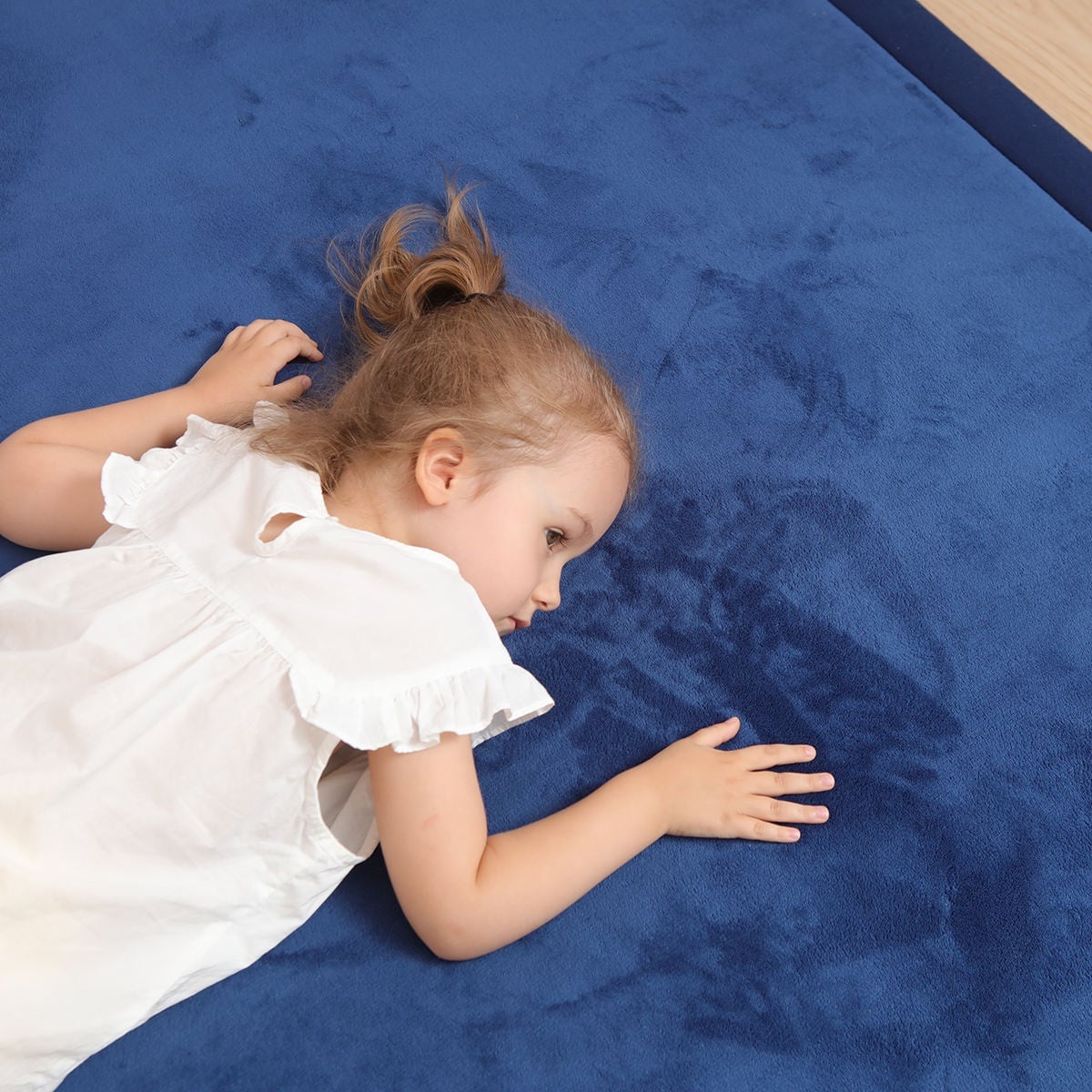
The global market for children's play products is heavily regulated because safety directly impacts child development and health outcomes. A certified play mat demonstrates that manufacturers have tested their materials against established standards, verified structural integrity, and eliminated toxic substances. Understanding these requirements helps you identify trustworthy products and avoid substandard alternatives that could pose unnecessary risks to children.
One of the most critical aspects of play mat safety involves chemical composition and material sourcing. Most standards require that foam, fabric, and adhesives used in a play mat contain no lead, phthalates, formaldehyde, or other restricted substances known to cause developmental harm. The play mat industry must comply with regulations like CPSIA (Consumer Product Safety Improvement Act) in North America and similar directives in Europe, which establish maximum allowable levels for harmful chemicals. These restrictions ensure that when children place their hands and faces on the play mat surface, they are not exposed to toxic off-gassing or surface contaminants.
Reputable manufacturers test their play mat products through third-party laboratories that verify chemical compliance independently. These tests measure volatile organic compounds (VOCs), heavy metal content, and allergen levels using standardized procedures. A play mat that has undergone comprehensive testing demonstrates commitment to child safety and provides documentation of compliance. Look for certifications such as OEKO-TEX, REACH compliance, and EN 71 standards when evaluating a play mat option for purchase.
The structural characteristics of a play mat directly affect how well it protects children during active play. Safety standards specify minimum thickness requirements to ensure adequate cushioning without creating suffocation hazards or movement instability. A properly engineered play mat must balance cushioning support with firm enough construction to allow children to move confidently without sinking excessively. Thickness typically ranges from one-half inch to one inch, providing impact protection during tumbles while maintaining surface responsiveness for developing motor skills.
The play mat surface must provide adequate slip resistance to prevent accidental falls and injuries during play activities. Standards require testing of friction coefficients to ensure children and caregivers will not slip when the mat is used on typical flooring surfaces. Additionally, a play mat surface should be smooth enough to prevent snagging clothing or catching small body parts while remaining textured enough to provide traction. These conflicting requirements are carefully balanced through material selection and surface treatment specifications that make the play mat both safe and functional.
A quality play mat must have secure, finished edges that do not fray, tear, or create choking hazards during extended use. Safety standards specify edge finishing methods and require testing to confirm that edges remain intact after simulated use cycles. The play mat fabric and foam layers must maintain adhesion throughout the product's lifespan, preventing separation or delamination that could expose internal materials. Stitching, binding, and heat-sealing techniques are evaluated to ensure durability and prevent edge failures that could allow small children to access foam cores or adhesive materials.
A play mat design must facilitate regular cleaning and sanitization without degrading material integrity or creating safety hazards. Standards recommend surfaces that resist mold, mildew, and bacterial growth while tolerating frequent washing with appropriate cleaners. The play mat should dry quickly to prevent moisture accumulation and should not retain moisture in internal layers where bacterial growth could occur. Manufacturers must demonstrate that their play mat construction allows caregivers to maintain hygiene standards essential for products used by infants and toddlers who frequently place items in their mouths.
Look for certifications such as OEKO-TEX Standard 100, CPSIA compliance, EN 71 standards, and REACH compliance. These certifications indicate that a play mat has been tested by third parties to verify chemical safety, structural integrity, and adherence to international safety requirements. Additionally, check for certifications from testing laboratories like SGS or TÜV, which provide independent verification that the play mat meets established standards and poses minimal risk to children.
Most safety standards recommend a play mat thickness between one-half inch and one inch, depending on intended use and child age. A play mat thicker than one inch may create movement instability for developing toddlers, while thinner mats may not provide adequate cushioning for fall protection. Thicker play mat options are appropriate for older children engaged in more active play, whereas younger children benefit from thinner mats that allow better balance development while maintaining adequate padding.
A play mat should be cleaned at least weekly with mild soap and water to prevent bacterial and mold growth. For high-use play mats or homes with infants, more frequent cleaning is recommended, possibly two to three times per week. Most standards require that a play mat design must allow quick-drying and resist moisture accumulation to facilitate regular cleaning routines that maintain the hygiene standards essential for products used by young children who place items in their mouths frequently.

2026/11/02
Struggling to choose the right living room rugs? Avoid costly mistakes with expert insights on size, material, durability, style & care. Get your perfect rug.

2026/11/03
Worried about infant falls during crawling? Discover how cushioned baby play mats absorb impact, and support motor development. Get expert safety tips now.

2026/11/04
Struggling with messy spills and tummy time needs? Discover waterproof, sensory, and tummy-time-optimized play mat surface. Compare materials now.

2026/11/05
Can a kids play mat reduce noise? Discover how thickness, foam density & full coverage deliver real acoustic relief. Get the guide.

2026/11/06
Why do kids slip on tile, laminate & polished wood? Discover how premium non-slip play mats anchor securely AND absorb impact. Boost safety.

2026/11/09
Tired of scrubbing stains and battling odors? Discover the 5 key kids play mat features—waterproof surfaces, washable covers, non-slip grip. See what makes maintenance effortless.

