 EN

What Should Buyers Know Before Ordering Living Room Rugs?
2026/11/02
Struggling to choose the right living room rugs? Avoid costly mistakes with expert insights on size, material, durability, style & care. Get your perfect rug.
Choosing the right kids play mat involves understanding which safety features genuinely protect your child during play and development. Parents often focus on color and design, but the structural integrity, material composition, and protective qualities of a kids play mat are what truly safeguard young children from falls, toxic exposure, and developmental delays.
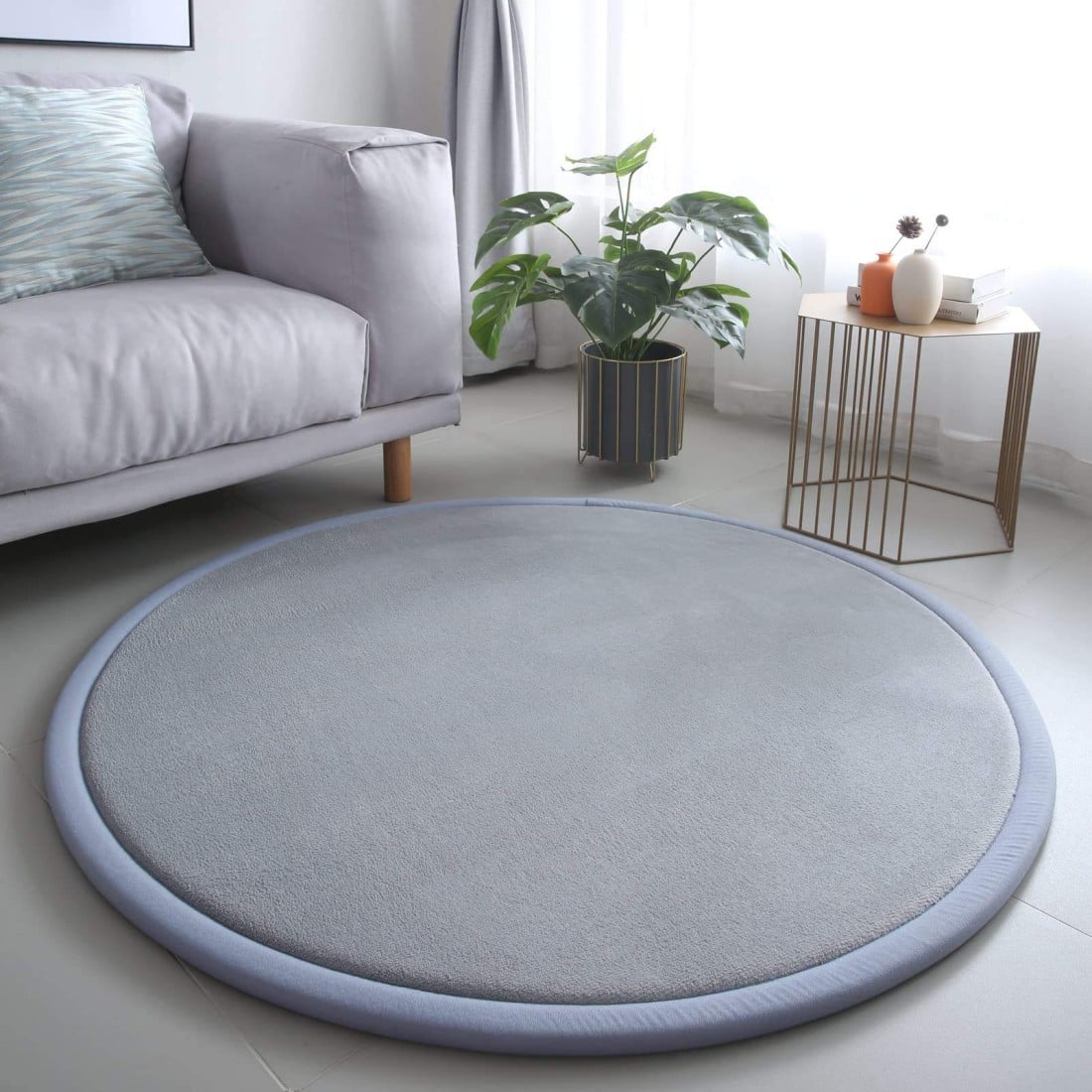
A quality kids play mat serves as the foundation for safe crawling, tummy time, and early movement exploration. Understanding the core safety attributes ensures you select a mat that meets developmental needs while minimizing injury risk and health concerns that arise from poor-quality floor coverings.
The material used in a kids play mat directly affects your child's health and safety. Non-toxic formulations are essential because infants and toddlers frequently mouth objects and spend prolonged contact with their play surface. Mats manufactured without harmful chemicals such as phthalates, BPA, formaldehyde, and heavy metals protect children from respiratory irritation, skin reactions, and long-term developmental concerns that chemical exposure can cause.
Premium kids play mat products use certified foam, natural rubber, or food-grade silicone that has undergone rigorous third-party testing. These materials comply with international safety standards such as ASTM F963 and CPSIA regulations, which establish limits on harmful substances in children's products. When evaluating any kids play mat, verify that certifications from recognized testing laboratories are provided and that the manufacturer discloses their material sourcing and production methods transparently.
Surface treatments applied to a kids play mat can release volatile organic compounds, commonly known as off-gassing, which diminishes over time but poses risk during initial use. Quality mats undergo low-VOC manufacturing processes and are tested for off-gassing emissions according to GREENGUARD or similar standards. A superior kids play mat will have minimal odor upon unboxing and should be aired in a well-ventilated space for 24 to 48 hours before infant use to ensure complete off-gassing has occurred.
Adequate thickness is a critical safety feature of any kids play mat because it absorbs impact energy and reduces injury severity during falls. Mats between 0.5 and 1 inch thick provide appropriate cushioning for infants and crawling toddlers, while thicker options between 1 and 2 inches are ideal for active toddlers and preschoolers who engage in jumping and running. The thickness of a kids play mat should be balanced against portability and storage needs, but protection should never be compromised for convenience.
The density and resilience of the foam or rubber core determine how effectively a kids play mat absorbs impact. High-density foam maintains cushioning properties longer than low-density alternatives and resists compression from repeated use. When selecting a kids play mat, press firmly on the surface to assess how quickly it rebounds; a mat that slowly returns to its original shape will provide superior protection for developing children who are prone to falls and uncoordinated movements.
An essential safety feature of any kids play mat is a slip-resistant backing that prevents the mat from sliding across floors during active play. A non-slip surface reduces entanglement hazards and prevents children from tripping over mat edges that have shifted during movement. Quality kids play mat manufacturers apply textured or adhesive undersides that grip hardwood, laminate, and tile surfaces effectively while remaining removable and not damaging the floor underneath.
The boundary edges of a kids play mat should be reinforced and beveled to eliminate sharp corners and prevent tripping hazards. Well-designed edges fold inward slightly, creating a subtle transition that reduces the risk of a child catching their foot and falling. Premium kids play mat products include reinforced stitching around perimeter seams to maintain structural integrity even after years of daily use and occasional washing.
An appropriately sized kids play mat creates a defined play zone that encourages supervised activity within parent sight lines. Mats measuring 4 by 6 feet or larger provide sufficient space for multiple children to play simultaneously without crowding, while smaller mats of 3 by 5 feet suit nurseries and bedrooms with limited floor space. The dimensions of a kids play mat should align with the room layout and the age and activity level of children using it, ensuring the play surface doesn't create trip hazards near furniture or doorways.
Portability is an underrated safety consideration because a kids play mat that is difficult to handle is more likely to cause strain injuries or back pain for caregivers who repeatedly fold and move it. Lightweight folding designs allow parents to set up and store the kids play mat without assistance, reducing risk of accidental drops or injury. Some kids play mat models include carrying handles or roll-up designs that facilitate safe transportation between rooms or to daycare settings without compromising protective qualities.
Washable and durable construction ensures a kids play mat remains hygienic throughout extended use, reducing bacterial growth and allergen accumulation that can affect respiratory health. Machine-washable covers or completely waterproof surfaces allow quick cleaning after spills and accidents, maintaining a safe and sanitary play environment. When inspecting any kids play mat before purchase, confirm that washing instructions are clear and that the mat's protective features remain intact even after repeated cleaning cycles.
A kids play mat should be at least 0.5 inches thick for infants and crawling babies, with 1 inch of thickness being optimal for most ages. For active toddlers and preschoolers, thicker mats between 1 and 2 inches provide superior impact protection during falls. The specific thickness needed depends on your child's age, activity level, and the type of flooring underneath the mat, but protection should always take priority over thinness.
Verify that your kids play mat includes third-party certifications from organizations such as GREENGUARD, CPSIA, or ASTM International. Look for documentation showing test results for phthalates, BPA, formaldehyde, and heavy metals, and request material safety data sheets from the manufacturer if certifications are not readily available. A reputable kids play mat producer will transparently provide these documents and will not hesitate to answer questions about material sourcing and manufacturing practices.
While a properly designed kids play mat significantly reduces the severity of fall-related injuries, it cannot eliminate all injury risk entirely. A kids play mat works best as part of a comprehensive safety strategy that includes constant supervision, age-appropriate activity guidance, and removal of hard or sharp objects from the play area. The mat provides foundational protection, but parental vigilance and environmental awareness remain the most effective injury prevention measures for young children.

2026/11/02
Struggling to choose the right living room rugs? Avoid costly mistakes with expert insights on size, material, durability, style & care. Get your perfect rug.

2026/11/03
Worried about infant falls during crawling? Discover how cushioned baby play mats absorb impact, and support motor development. Get expert safety tips now.

2026/11/04
Struggling with messy spills and tummy time needs? Discover waterproof, sensory, and tummy-time-optimized play mat surface. Compare materials now.

2026/11/05
Can a kids play mat reduce noise? Discover how thickness, foam density & full coverage deliver real acoustic relief. Get the guide.

2026/11/06
Why do kids slip on tile, laminate & polished wood? Discover how premium non-slip play mats anchor securely AND absorb impact. Boost safety.

2026/11/09
Tired of scrubbing stains and battling odors? Discover the 5 key kids play mat features—waterproof surfaces, washable covers, non-slip grip. See what makes maintenance effortless.

