 EN

What Should Buyers Know Before Ordering Living Room Rugs?
2026/11/02
Struggling to choose the right living room rugs? Avoid costly mistakes with expert insights on size, material, durability, style & care. Get your perfect rug.
A quality memory foam mat serves as more than just a comfort product; it represents an investment in safety, durability, and long-term performance. Whether used in homes, childcare facilities, gyms, or commercial spaces, the standards governing memory foam mats directly impact user experience and overall value. Understanding these standards helps buyers make informed decisions and ensures they select products that truly meet their functional and safety requirements.
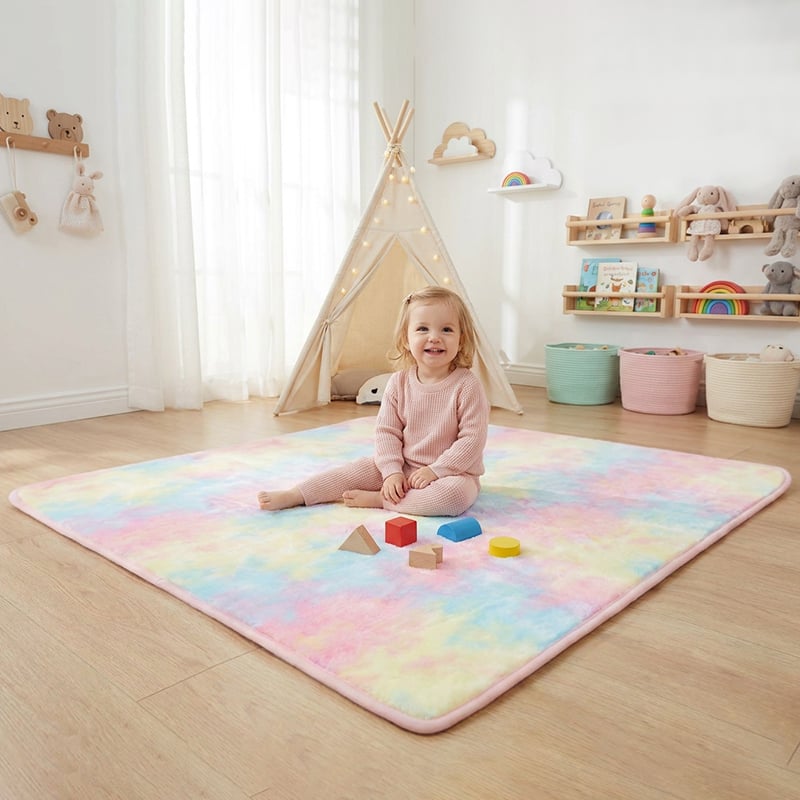
Regulatory bodies worldwide have established rigorous testing protocols to verify that memory foam mats meet baseline requirements for health, safety, and performance. These standards protect consumers from hazardous materials, ensure product consistency, and define acceptable levels for density, resilience, and flame resistance. A memory foam mat that adheres to recognized international standards provides confidence that it delivers on its promises while maintaining strict safety margins.
One of the most critical aspects of memory foam mat quality is the absence of harmful chemicals. Leading standards restrict volatile organic compounds (VOCs), formaldehyde, and other toxic substances that can off-gas into indoor environments. Certifications such as CertiPUR-US, Oeko-Tex, and similar international marks verify that foam materials have been tested for compliance with strict chemical limits. A quality memory foam mat should come with documentation proving it contains no lead, mercury, or other prohibited substances.
Flame resistance is a non-negotiable quality standard for memory foam mats, particularly those used in commercial settings or children's spaces. Standards like Federal Flammability Standard 16 CFR 1633 define how materials must perform when exposed to ignition sources. Quality memory foam mats meet or exceed these benchmarks without relying solely on chemical flame retardants that may compromise material safety. The mat should resist ignition, limit flame spread, and minimize smoke production under standardized test conditions.
Density measurement is fundamental to evaluating memory foam mat quality and longevity. Density directly correlates with durability, support level, and resistance to compression over time. Premium memory foam mats typically maintain densities between 4 and 5.5 pounds per cubic foot, though application-specific needs may vary. Higher density generally means longer lifespan, but a quality memory foam mat balances density with comfort and weight, ensuring it remains practical for its intended use without becoming unnecessarily rigid or heavy.
Indentation Load Deflection (ILD) or Compression Force Deflection (CFD) testing measures how much force is needed to compress the foam to a specific depth. This metric directly indicates support quality and recovery after pressure is applied. A properly manufactured memory foam mat exhibits consistent resilience across repeated compression cycles, demonstrating it will maintain its shape and functionality throughout its service life. Standard testing involves measuring resistance at multiple compression points to ensure uniform quality throughout the entire mat.
Compression set testing evaluates how much a memory foam mat permanently deforms after extended pressure. Acceptable standards typically allow no more than 10 to 15 percent permanent compression after 22 hours of loading at elevated temperatures. This benchmark ensures that a quality memory foam mat will not prematurely flatten under normal use. Manufacturers conducting proper compression set testing demonstrate their commitment to delivering products that retain functionality and comfort attributes over extended periods.
Modern quality standards increasingly address environmental responsibility. A premium memory foam mat should minimize impact through sustainable manufacturing practices and recyclability considerations. Standards like ISO 14001 certification indicate that manufacturers follow rigorous environmental management systems. Additionally, quality memory foam mat producers should disclose sourcing practices, energy consumption, and end-of-life disposal options, reflecting growing market expectations for corporate sustainability and circular economy principles.
Different markets enforce distinct regulatory frameworks for foam products. A quality memory foam mat meets all applicable standards in its target market, whether European Union regulations, North American requirements, or Asian market specifications. Manufacturers must navigate Complex regulatory landscapes that specify material composition, testing methods, documentation, and labeling requirements. When evaluating a memory foam mat, buyers should verify that products carry certifications relevant to their specific geographic region and application context.
Independent third-party testing provides objective verification that a memory foam mat meets claimed quality standards. Reputable manufacturers submit their products to accredited laboratories rather than relying exclusively on internal testing. This independent validation adds credibility and provides consumers with trustworthy performance data. A quality memory foam mat seller should provide accessible certification reports, test summaries, and laboratory contact information, allowing customers to verify claims through transparent, verifiable sources.
Look for certifications like CertiPUR-US (verifying chemical safety), Oeko-Tex (confirming non-toxic materials), and regional fire safety certifications such as CFR 1633 compliance. These third-party certifications indicate that your memory foam mat has undergone rigorous testing by independent laboratories. Additionally, check for ISO certifications related to environmental management and quality control processes, which demonstrate the manufacturer's commitment to consistent standards.
Density directly impacts durability and long-term performance of a memory foam mat. Higher-density foams (4 to 5.5 pounds per cubic foot) typically last longer and resist permanent compression better than lower-density alternatives. However, extremely high density can reduce comfort and increase weight unnecessarily. A quality memory foam mat balances adequate density for durability with practical considerations for usability, ensuring it maintains support and comfort throughout its intended service life.
Yes, children's products face additional regulatory requirements beyond standard memory foam mat specifications. Certifications must address small parts, choking hazards, chemical limits for children's products, and enhanced flame resistance standards. A quality memory foam mat designed for children should comply with CPSIA (Consumer Product Safety Improvement Act), ASTM standards, and regional children's product regulations. Manufacturers should provide detailed safety documentation and testing reports specifically addressing childcare application requirements.

2026/11/02
Struggling to choose the right living room rugs? Avoid costly mistakes with expert insights on size, material, durability, style & care. Get your perfect rug.

2026/11/03
Worried about infant falls during crawling? Discover how cushioned baby play mats absorb impact, and support motor development. Get expert safety tips now.

2026/11/04
Struggling with messy spills and tummy time needs? Discover waterproof, sensory, and tummy-time-optimized play mat surface. Compare materials now.

2026/11/05
Can a kids play mat reduce noise? Discover how thickness, foam density & full coverage deliver real acoustic relief. Get the guide.

2026/11/06
Why do kids slip on tile, laminate & polished wood? Discover how premium non-slip play mats anchor securely AND absorb impact. Boost safety.

2026/11/09
Tired of scrubbing stains and battling odors? Discover the 5 key kids play mat features—waterproof surfaces, washable covers, non-slip grip. See what makes maintenance effortless.

