 EN

What Should Buyers Know Before Ordering Living Room Rugs?
2026/11/02
Struggling to choose the right living room rugs? Avoid costly mistakes with expert insights on size, material, durability, style & care. Get your perfect rug.
The comfort of a weighted blanket depends significantly on the materials used in its construction. While the therapeutic weight is essential for the pressure-based calming effect, the outer fabric, inner filling, and overall design work together to create an experience that feels genuinely restful rather than merely functional. Understanding which materials contribute most to comfort helps you make an informed choice that aligns with your specific sleep needs and preferences.
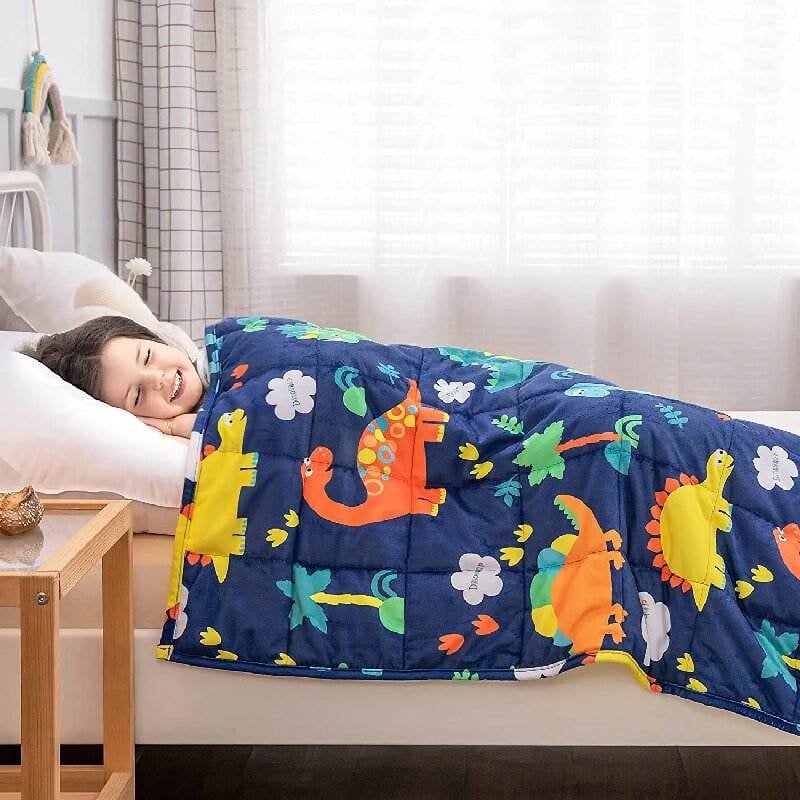
The material composition of your weighted blanket affects how it feels against your skin, how well it regulates temperature, and whether it remains durable through years of use. Different fabric types and filling options deliver varying levels of softness, breathability, and tactile satisfaction. Whether you prioritize luxurious texture, cooling properties, or long-lasting durability, recognizing the role each material plays enables you to select a weighted blanket that truly enhances your sleep quality and comfort.
The outer cover of your weighted blanket is the first point of contact with your skin, making fabric selection critical for overall comfort. Minky polyester stands out as a popular choice because it offers a soft, plush texture that feels gentle and luxurious throughout the night. Minky fabric also tends to be hypoallergenic and durable, maintaining its softness after multiple washes. Cotton blends provide a breathable alternative that works well for those who tend to sleep warm, offering natural moisture-wicking properties that keep you cool and dry. Linen fabrics deliver a crisp, smooth feel and excellent temperature regulation, though they require more frequent washing to maintain optimal softness. Each weighted blanket material brings distinct tactile qualities that influence your comfort experience.
Modern weighted blankets increasingly incorporate breathable fabrics designed to prevent heat buildup. Bamboo viscose blends offer a silky, cool-to-touch surface that naturally regulates body temperature, making them ideal for hot sleepers seeking a weighted blanket solution. Jersey knit fabrics provide stretch and breathability, adapting to your body shape while allowing air circulation. Cooling gel-infused covers represent an advanced option that actively dissipates heat, though they typically carry a higher price point. The choice between insulating and cooling weighted blanket fabrics depends on your climate, sleep temperature preferences, and budget constraints.
The material inside a weighted blanket determines how weight distributes across your body and how the blanket responds to movement. Glass beads are the most common filling material for weighted blankets, offering consistent weight, excellent durability, and minimal shifting during sleep. Plastic pellets provide a lighter-weight option that costs less while still delivering therapeutic pressure, though they may generate slight noise as you move. Steel shot pellets offer superior weight density, requiring less total volume to achieve your target weight, which results in a thinner, more flexible weighted blanket. Sand-filled options exist but are less popular due to durability concerns and increased weight, making them less practical for regular home use. Understanding these filling options helps you choose a weighted blanket that balances comfort, longevity, and practical usability.
How manufacturers stitch and compartmentalize the interior of a weighted blanket significantly impacts comfort and longevity. Quality weighted blanket construction uses independent pockets or quilted chambers that prevent filling material from clumping or shifting unevenly. This compartmentalized design maintains consistent weight distribution throughout your weighted blanket, ensuring therapeutic benefits remain effective across all areas. Double-stitched seams and reinforced edges extend the lifespan of your weighted blanket and reduce the risk of material leakage. Poorly constructed weighted blankets may develop lumpy sections over time, reducing comfort and effectiveness. Examining the internal structure when selecting your weighted blanket ensures you invest in a product built for long-term comfort and durability.
A properly weighted blanket should distribute pressure evenly across your body without creating uncomfortable pressure points. Design factors like total weight, blanket dimensions, and chamber density all influence how your weighted blanket feels during use. Oversized weighted blankets provide fuller coverage and more even weight distribution, enhancing comfort compared to undersized options. The recommended weight for any weighted blanket typically ranges from 7 to 12 percent of body weight, though individual preferences vary. Manufacturers design weighted blankets in various sizes to accommodate different bed dimensions and personal comfort preferences, ensuring optimal pressure distribution. The combination of appropriate sizing and even weight distribution transforms your weighted blanket from a functional tool into a genuinely comfortable sleep aid.
The number of fabric layers and quality of edge finishing also contribute to weighted blanket comfort and durability. Multi-layer construction provides additional softness and structural integrity, preventing the weighted blanket from developing weak spots or tears. Reinforced edges and bound seams create a polished feel while preventing unraveling and extending product lifespan. Some weighted blankets feature removable, washable covers that protect the main blanket while allowing easy maintenance. This design flexibility means you can update your weighted blanket's aesthetic or replace covers without replacing the entire weighted blanket. Attention to construction details directly translates into enhanced comfort and convenience during daily use.
Heavier fabrics like minky polyester (around 300 to 350 gsm) provide excellent softness and durability for weighted blankets. Medium-weight cotton blends (around 200 to 250 gsm) offer breathability for warmer climates. The ideal fabric weight depends on your climate, sleep temperature, and personal tactile preferences, so consider these factors when selecting your weighted blanket material.
Most quality weighted blanket materials like minky, cotton, and bamboo are hypoallergenic, but individual sensitivities vary. Always check product specifications to confirm hypoallergenic claims for your weighted blanket. If you have known fabric sensitivities, test your weighted blanket on a small area or request samples before committing to a full purchase.
Wash your weighted blanket according to manufacturer instructions using gentle cycles and mild detergent to preserve fabric softness. Most weighted blankets benefit from air drying rather than machine drying to prevent damage. Regular maintenance of your weighted blanket ensures materials remain soft, durable, and comfortable for years of restorative sleep.

2026/11/02
Struggling to choose the right living room rugs? Avoid costly mistakes with expert insights on size, material, durability, style & care. Get your perfect rug.

2026/11/03
Worried about infant falls during crawling? Discover how cushioned baby play mats absorb impact, and support motor development. Get expert safety tips now.

2026/11/04
Struggling with messy spills and tummy time needs? Discover waterproof, sensory, and tummy-time-optimized play mat surface. Compare materials now.

2026/11/05
Can a kids play mat reduce noise? Discover how thickness, foam density & full coverage deliver real acoustic relief. Get the guide.

2026/11/06
Why do kids slip on tile, laminate & polished wood? Discover how premium non-slip play mats anchor securely AND absorb impact. Boost safety.

2026/11/09
Tired of scrubbing stains and battling odors? Discover the 5 key kids play mat features—waterproof surfaces, washable covers, non-slip grip. See what makes maintenance effortless.

