 EN

What Should Buyers Know Before Ordering Living Room Rugs?
2026/11/02
Struggling to choose the right living room rugs? Avoid costly mistakes with expert insights on size, material, durability, style & care. Get your perfect rug.
An acupressure mat is a wellness tool designed to stimulate pressure points across the body, promoting relaxation and relief from tension. The effectiveness of any acupressure mat depends fundamentally on the quality of materials used in its construction. Understanding these materials helps you make an informed decision when selecting a product that will deliver both comfort and durability for your wellness routine.
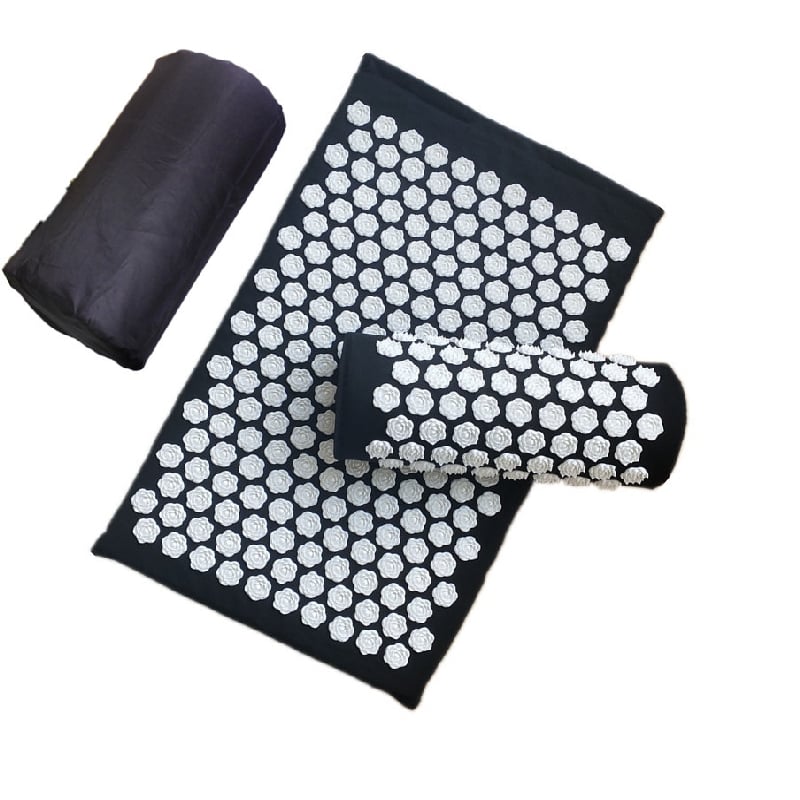
Quality acupressure mat products are engineered with multiple layers and specific material compositions that work together to create therapeutic benefits. The foundation, surface covering, spike construction, and internal padding all play critical roles in how the acupressure mat performs and how long it will last. Investing in a premium acupressure mat built with superior materials ensures consistent results and reliable performance over extended use.
The base layer of an acupressure mat provides structural support and determines how weight distributes across the surface. High-quality acupressure mat designs typically use dense foam that resists compression while remaining comfortable. This foundation foam must be firm enough to support body weight without flattening after repeated use, yet soft enough to prevent discomfort when lying on the mat for extended periods.
Premium acupressure mat products often incorporate high-density polyurethane or memory foam bases that maintain their shape over years of daily use. Lower-quality mats use thin, low-density foam that degrades quickly and loses effectiveness. The thickness of the base layer in an acupressure mat typically ranges from 10 to 15 millimeters, with thicker bases offering better longevity and more stable support during therapeutic sessions.
The underside of an acupressure mat must prevent slipping and protect floors from damage. Quality acupressure mat manufacturers use non-slip rubber or PVC materials that grip standard flooring surfaces securely. This bottom layer prevents the mat from shifting during use, which could interrupt your therapeutic session or create safety hazards if the acupressure mat slides unexpectedly across smooth surfaces.
The top surface of an acupressure mat must be durable, washable, and comfortable against skin. Premium acupressure mat products typically use natural cotton, polyester blends, or high-quality synthetic fabrics that resist wear and maintain integrity through frequent washing. The fabric on an acupressure mat should be tightly woven to prevent fraying and to ensure spikes remain securely anchored in place.
Premium acupressure mat designs feature reinforced stitching around edges and spike attachment points where stress concentrates. The fabric should be soft enough to avoid excessive discomfort when lying directly on the mat, yet durable enough to withstand regular contact with skin and repeated washing without degradation. Quality acupressure mat covers often include removable, washable design elements that extend the product lifespan.
Spikes are the functional component of an acupressure mat responsible for delivering therapeutic pressure. Quality acupressure mat spikes are typically made from medical-grade plastic, stainless steel, or specialized polymer compounds that resist breaking and maintain consistent shape. Each spike on a premium acupressure mat is precisely molded with smooth, blunt points designed to apply pressure without piercing or damaging skin.
The spike density and configuration significantly impact acupressure mat performance. A well-designed acupressure mat features thousands of evenly distributed spikes that create uniform pressure distribution across the body. Spikes should be firmly anchored through the fabric into the base layer, preventing them from becoming loose or falling out after extended use. Higher quality acupressure mat products invest in reinforced spike attachment mechanisms that preserve functionality over years of regular use.
A quality acupressure mat combines multiple materials strategically to maximize durability and therapeutic effectiveness. The integration of foam bases, secure fabric attachment, and robust spike construction creates an acupressure mat that withstands regular use without degradation. Premium manufacturers test their acupressure mat products under stress conditions that simulate years of daily use, ensuring materials maintain integrity throughout the product lifespan.
The material choices in an acupressure mat affect not only durability but also how the product feels and performs. Natural materials like cotton create a more pleasant user experience, while synthetic materials often provide superior durability. Quality acupressure mat designers balance these factors to deliver products that feel good, last long, and deliver consistent therapeutic benefits. The total weight of an acupressure mat typically ranges from 700 grams to 2 kilograms depending on base thickness and overall material density.
Understanding the materials in your acupressure mat helps you maintain it properly. Quality acupressure mat products with removable covers allow easy cleaning without damaging spikes or base layers. Most acupressure mat fabrics should be washed in cool water and air-dried to preserve material integrity. The foam base and spikes typically require only spot cleaning and should never be submerged or exposed to excessive moisture.
Proper storage of your acupressure mat extends material lifespan significantly. Store the mat in a cool, dry location away from direct sunlight, which can degrade both fabric and plastic materials over time. High-quality acupressure mat construction allows the product to roll or fold for storage without permanent damage. This flexibility in handling ensures your acupressure mat remains functional and comfortable for many years of therapeutic use.
Natural cotton or high-quality polyester blends are ideal for acupressure mat surfaces because they balance comfort with durability. These materials feel soft against skin while resisting wear through repeated washing and use. Quality acupressure mat covers should be tightly woven and reinforced with strong stitching to keep spikes secure.
Examine the fabric for tight weaving and reinforced seams, check that spikes feel solid and uniform, and ensure the base layer is dense and doesn't easily compress. A quality acupressure mat will feel substantial and well-constructed when you hold it. The materials should show no signs of fraying, loose spikes, or weak adhesive bonding within days of purchase.
Premium acupressure mat products with quality materials can last three to five years or longer with proper care. The fabric may wear slightly with time, but the base layer and spikes should maintain their structural integrity throughout this period. Storage conditions and usage frequency affect the acupressure mat's lifespan, so regular maintenance helps extend product life.

2026/11/02
Struggling to choose the right living room rugs? Avoid costly mistakes with expert insights on size, material, durability, style & care. Get your perfect rug.

2026/11/03
Worried about infant falls during crawling? Discover how cushioned baby play mats absorb impact, and support motor development. Get expert safety tips now.

2026/11/04
Struggling with messy spills and tummy time needs? Discover waterproof, sensory, and tummy-time-optimized play mat surface. Compare materials now.

2026/11/05
Can a kids play mat reduce noise? Discover how thickness, foam density & full coverage deliver real acoustic relief. Get the guide.

2026/11/06
Why do kids slip on tile, laminate & polished wood? Discover how premium non-slip play mats anchor securely AND absorb impact. Boost safety.

2026/11/09
Tired of scrubbing stains and battling odors? Discover the 5 key kids play mat features—waterproof surfaces, washable covers, non-slip grip. See what makes maintenance effortless.

