 EN

What Should Buyers Know Before Ordering Living Room Rugs?
2026/11/02
Struggling to choose the right living room rugs? Avoid costly mistakes with expert insights on size, material, durability, style & care. Get your perfect rug.
Selecting the right play mats for babies involves more than just picking a colorful product off the shelf. Parents must carefully evaluate the materials used in these essential products because babies spend considerable time on them, often placing hands and objects in their mouths. The safety of play mats for babies depends directly on the composition, manufacturing standards, and absence of harmful chemicals. Understanding which materials are genuinely safe requires looking beyond marketing claims and examining the scientific evidence and safety certifications that back each component.
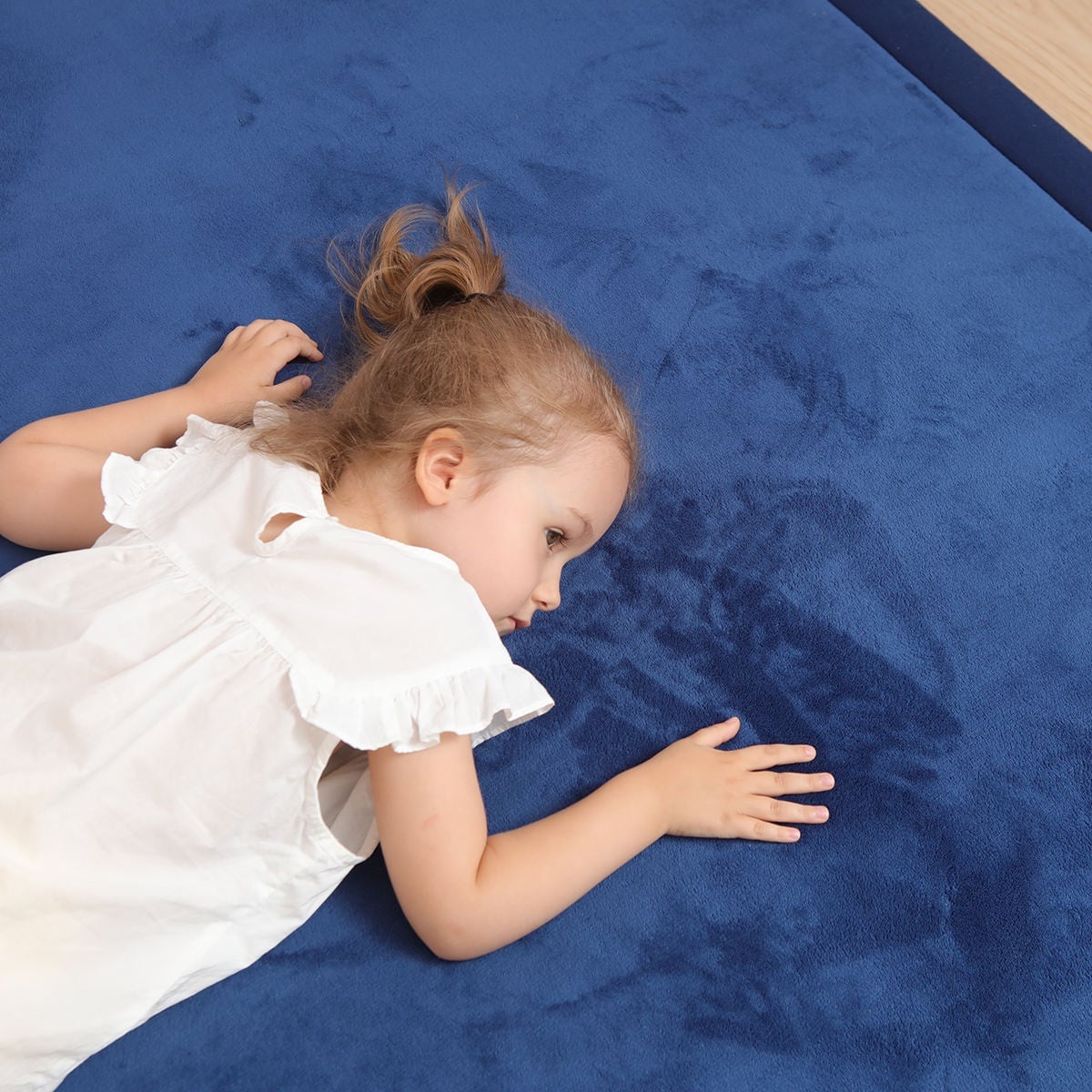
The foundation of safe play mats for babies begins with understanding the specific material types and their potential risks. High-quality foam, natural rubber, organic cotton, and certified synthetic fabrics represent the safest options available in the market today. Each material category has distinct advantages and limitations that directly affect how well it protects your child from chemical exposure, allergens, and physical hazards. Making an informed choice means recognizing which certifications matter most and why certain manufacturing processes reduce risks significantly.
Closed-cell foam stands out as one of the most popular materials in quality play mats for babies. This foam structure prevents moisture absorption and resists mold growth, creating a naturally hygienic surface for infants and toddlers. Closed-cell foam is also denser and more durable than open-cell alternatives, which means it maintains its shape and cushioning properties even after extended use. The material's inherent properties reduce the need for excessive chemical treatments, making it a safer choice for developing babies.
Not all foam used in play mats for babies meets the same safety standards. Lower-quality foam may contain phthalates, PVC, or flame retardants that can off-gas harmful compounds, especially when new. Parents should specifically seek products manufactured without these chemicals and verified by third-party testing. Certifications like Greenguard Gold or CertiPUR-US demonstrate that the foam undergoes rigorous testing for volatile organic compounds and toxic substances. These certifications ensure that your baby's play surface won't introduce unnecessary chemical exposure during critical developmental stages.
Natural rubber represents an excellent alternative for parents seeking play mats for babies made from renewable resources. This material is inherently hypoallergenic and free from synthetic chemicals, providing a clean surface without requiring extensive chemical processing. Natural rubber also offers superior grip and traction, reducing the risk of slipping as babies learn to crawl and move. The material's natural elasticity provides appropriate cushioning without feeling overly soft or unstable, which supports healthy motor development. However, natural rubber play mats for babies should still carry certifications confirming the absence of harmful adhesives or processing chemicals.
Many premium play mats for babies feature organic cotton covers as the upper surface layer. Organic cotton is grown without synthetic pesticides or fertilizers, eliminating one potential source of chemical exposure for babies who spend extended time in contact with the mat. Cotton provides excellent breathability and helps regulate temperature, preventing overheating during play sessions. The fabric is soft enough for sensitive baby skin while remaining durable enough to withstand frequent washing and regular use. Parents selecting play mats for babies with organic cotton covers should verify that dyes used in coloring meet OEKO-TEX standards, which specifically limit harmful substances in textiles.
Understanding relevant safety certifications helps parents identify genuinely safe play mats for babies among countless market options. The Greenguard Gold certification confirms that products meet stringent chemical emission standards and are appropriate for use by children. CertiPUR-US certification specifically addresses foam quality and ensures absence of phthalates, heavy metals, and formaldehyde. International standards like ISO 8124 and ASTM F963 establish physical safety requirements for children's products, including flammability ratings and structural integrity tests. Play mats for babies bearing multiple relevant certifications demonstrate manufacturer commitment to comprehensive safety verification rather than meeting only minimum compliance requirements.
Parents should be cautious about play mats for babies that lack third-party certifications or make vague safety claims without supporting documentation. Products that emit strong chemical odors when new often indicate off-gassing potential and suggest inadequate manufacturing standards. Extremely low prices compared to certified alternatives frequently correlate with cost-cutting measures that compromise material quality and safety. Play mats for babies should come with clear labeling of all materials, manufacturing locations, and applicable certifications. Legitimate manufacturers provide documentation willingly, while those obscuring product details deserve skepticism regarding true safety standards.
Safe play mats for babies must remain easy to clean without compromising the integrity of materials or introducing harmful cleaning agents. Removable, washable covers simplify regular hygiene maintenance and reduce mold and bacterial growth. Most quality play mats for babies tolerate gentle machine washing or hand cleaning with mild soap and water. Parents should avoid harsh chemical cleaners that could degrade materials or leave residues that interact with baby skin. Proper maintenance directly impacts how long materials retain their safety characteristics and protective properties throughout the mat's lifespan.
Investing in durable play mats for babies made from quality materials provides better value and sustained safety benefits. Materials that maintain structural integrity without degradation ensure consistent cushioning and support throughout months of daily use. Mats that break down quickly develop surface irregularities, exposed foam edges, and potential choking hazards that compromise safety over time. High-quality play mats for babies from reputable manufacturers typically last through multiple children and years of intensive use while maintaining their protective properties. This durability aspect often justifies higher initial investment compared to cheaper alternatives requiring frequent replacement.
While closed-cell foam represents a safer choice than many alternatives, not all closed-cell options are completely non-toxic. The manufacturing process, adhesives used, and any chemical treatments applied significantly affect the final safety profile. Certifications like Greenguard Gold or CertiPUR-US specifically verify that foam meets strict non-toxicity standards, but uncertified closed-cell foam may still contain questionable substances. Always verify third-party certifications before assuming any play mat material is completely safe for babies.
Using only covers specifically designed for play mats for babies ensures optimal safety and durability. Covers should be made from materials like organic cotton or certified synthetics that won't introduce new chemical concerns. Fabric dyes must meet standards like OEKO-TEX to prevent transferring harmful substances directly to baby skin. Generic washable covers may contain finishes or treatments not suitable for infant contact, so selecting purpose-designed covers for play mats for babies is essential for maintaining product safety integrity.
A strong chemical smell when opening new play mats for babies indicates likely off-gassing of volatile organic compounds. Allowing adequate ventilation and airing the mat for several days reduces immediate chemical exposure. Play mats for babies from certified manufacturers rarely exhibit strong odors because materials undergo pre-processing to minimize emissions. If a mat continues smelling chemical after extended airing, it likely doesn't meet acceptable safety standards and should be replaced with a certified option.

2026/11/02
Struggling to choose the right living room rugs? Avoid costly mistakes with expert insights on size, material, durability, style & care. Get your perfect rug.

2026/11/03
Worried about infant falls during crawling? Discover how cushioned baby play mats absorb impact, and support motor development. Get expert safety tips now.

2026/11/04
Struggling with messy spills and tummy time needs? Discover waterproof, sensory, and tummy-time-optimized play mat surface. Compare materials now.

2026/11/05
Can a kids play mat reduce noise? Discover how thickness, foam density & full coverage deliver real acoustic relief. Get the guide.

2026/11/06
Why do kids slip on tile, laminate & polished wood? Discover how premium non-slip play mats anchor securely AND absorb impact. Boost safety.

2026/11/09
Tired of scrubbing stains and battling odors? Discover the 5 key kids play mat features—waterproof surfaces, washable covers, non-slip grip. See what makes maintenance effortless.

