 EN

What Should Buyers Know Before Ordering Living Room Rugs?
2026/11/02
Struggling to choose the right living room rugs? Avoid costly mistakes with expert insights on size, material, durability, style & care. Get your perfect rug.
Choosing the right nursery rug involves far more than aesthetics. Parents and caregivers must prioritize safety when selecting flooring surfaces that infants and toddlers spend hours touching, crawling on, and sometimes placing directly into their mouths. A safe nursery rug protects developing bodies from harmful chemicals, allergens, and physical hazards while supporting healthy development and comfortable play spaces.
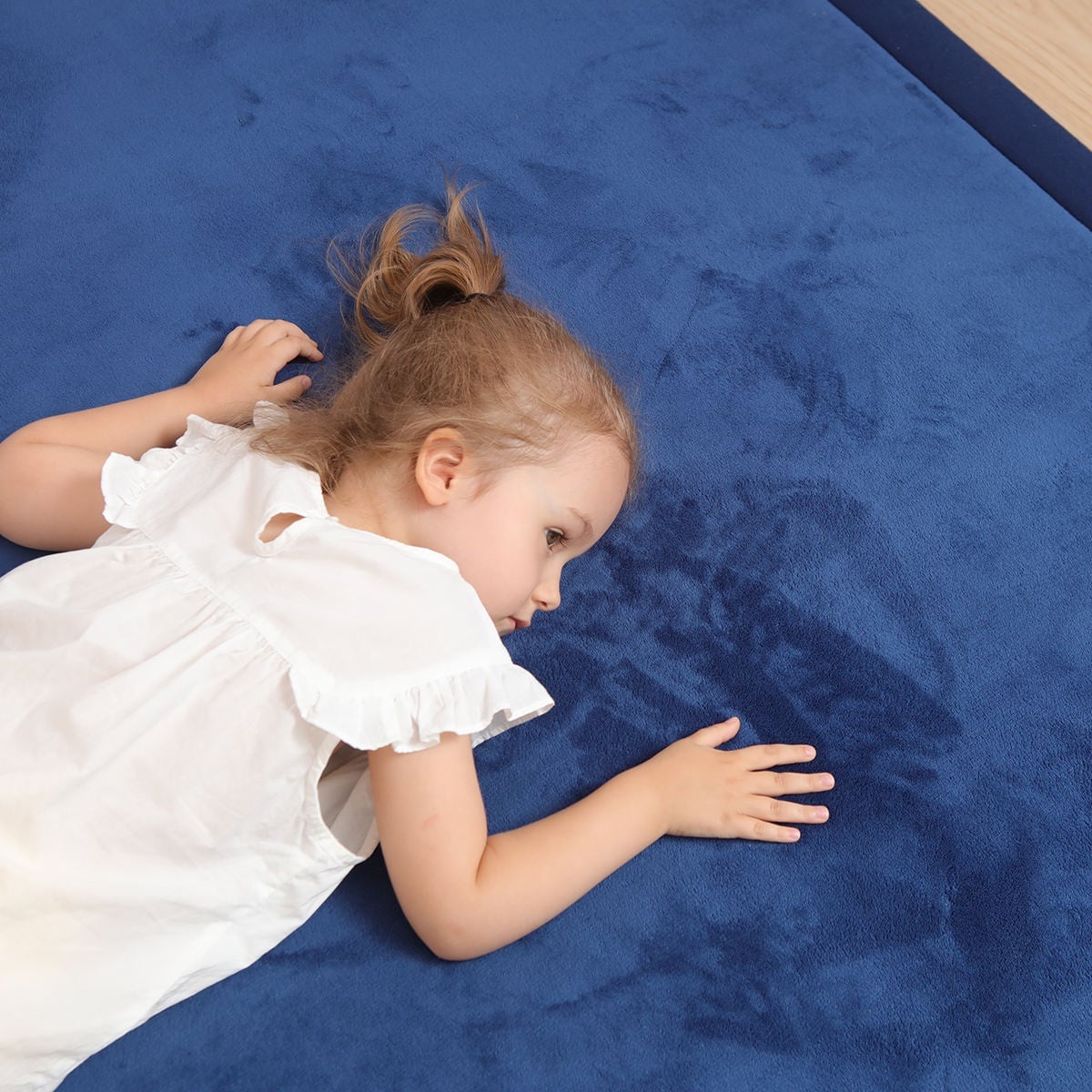
The nursery rug market offers numerous material options, each with distinct safety profiles, performance characteristics, and environmental impacts. Understanding which materials meet safety standards, resist off-gassing, and minimize allergen accumulation is essential for informed decision-making. This guide examines the safest material choices available for nursery environments and explains why certain options provide superior protection for young children.
Wool represents one of the finest natural materials for nursery rug products, offering inherent safety benefits combined with practical durability. Pure wool fibers are naturally flame-resistant without requiring chemical flame retardants, a critical advantage for surfaces surrounding sleeping infants. Wool naturally resists dust mites and mold growth, reducing allergen accumulation in nursery environments. The material's crimp structure traps dust particles, preventing them from becoming airborne and affecting respiratory health.
High-quality wool nursery rug options come from certified sustainable sources and undergo rigorous testing for harmful dyes and finishes. Merino wool, a premium variety, offers exceptional softness and hypoallergenic properties. When selecting a wool nursery rug, verify certifications from organizations like the Cradle to Cradle program or ECO-INSTITUT to confirm the absence of heavy metals, formaldehyde, and synthetic pesticides in dyes and treatments.
Organic cotton provides a soft, breathable surface suitable for nursery rug applications, particularly for thinner rugs and layered constructions. Cotton grown without synthetic pesticides eliminates exposure to agricultural chemical residues that conventional cotton retains. Plant-based fibers like sisal and jute offer sustainable alternatives, though these materials require careful processing to ensure the nursery rug remains free from harmful adhesives and chemical treatments used in traditional manufacturing.
The primary consideration with organic cotton and plant fibers involves finishing processes. Even organic fibers can become problematic if treated with synthetic dyes or chemical flame retardants during manufacturing. A safe nursery rug made from these materials must include complete transparency about all treatment processes and certifications confirming the absence of toxic chemicals throughout production.
Regulatory bodies worldwide establish stringent testing protocols to protect children from harmful substances in consumer products. The Consumer Product Safety Commission (CPSC) enforces standards requiring that materials used in nursery rug products comply with limits for lead, cadmium, and other heavy metals. Testing also verifies that dyes, finishes, and adhesives present in the nursery rug meet volatility standards, preventing toxic off-gassing that accumulates in enclosed nursery spaces.
Third-party certifications provide independent verification that manufacturers have tested their nursery rug materials thoroughly. The Global Organic Textile Standard (GOTS) certifies that fibers meet strict environmental and chemical criteria. Oeko-Tex Standard 100 certification confirms that every component of the nursery rug, from fibers to adhesives and dyes, poses no health risk to infants and young children. These certifications require ongoing testing and renewal, ensuring consistent safety standards.
New nursery rug products frequently emit volatile organic compounds (VOCs) during the initial weeks after purchase, a process called off-gassing. Latex-backed rugs, synthetic adhesives, and petroleum-based dyes are common sources of off-gassing in conventional nursery rug options. Infants in poorly ventilated nurseries may develop respiratory irritation, headaches, and other health impacts from sustained exposure to these chemical vapors. Natural rubber or water-based adhesives used in premium nursery rug products significantly reduce off-gassing risk.
Selecting a nursery rug with low-VOC backing and natural dyes minimizes chemical exposure. Airing the nursery rug outdoors before installation and maintaining adequate ventilation during the initial off-gassing period further reduces infant exposure. Materials like untreated wool and organic cotton release minimal volatile compounds, making them superior choices for nursery environments where air quality directly affects developing respiratory systems.
Material selection alone does not ensure complete nursery rug safety; construction and backing systems are equally critical. A quality nursery rug requires non-slip backing that prevents movement when crawling toddlers shift their weight across the surface. Traditional PVC or synthetic rubber backings may off-gas, so choosing a nursery rug with natural rubber latex or TPE (thermoplastic elastomer) backing provides non-slip functionality without chemical toxins. The backing must remain stable and durable across seasons and temperature variations in nursery environments.
The pile construction of the nursery rug significantly impacts both safety and maintenance. Low-pile or flat-woven construction resists trapping bacteria, dust, and moisture compared to high-pile alternatives. For families with infants, flat-weave nursery rug options reduce suffocation risks associated with loose fibers or deep pile compression. Tuft density and yarn twist directly influence whether the nursery rug sheds fibers that could enter infant respiratory systems during the crucial early-development period.
Even the safest nursery rug materials can accumulate dust mites, pollen, and mold spores without proper maintenance. Select materials compatible with regular vacuuming and spot-cleaning protocols suitable for nursery environments. A washable nursery rug, if the material supports such treatment, dramatically reduces allergen accumulation compared to rugs requiring dry-cleaning or professional treatment with chemical solutions. Natural fibers like wool inherently resist allergen colonization better than synthetic alternatives.
Parents selecting a nursery rug should consider family allergy histories and respiratory sensitivity. Hypoallergenic nursery rug options made from treated natural fibers reduce allergic reactions in susceptible infants and toddlers. Regular airing and gentle vacuuming with HEPA filtration maintain cleanliness without exposing the nursery rug to harsh chemicals that could compromise the safety certifications and material integrity achieved during manufacturing.
Not all synthetic nursery rug materials pose health risks, but they require scrutiny. High-quality synthetic fibers manufactured with non-toxic dyes and backed with natural adhesives can meet safety standards equivalent to natural materials. However, petroleum-based synthetics frequently off-gas and may contain harmful dyes or flame retardants applied during manufacturing. A safe nursery rug requires certification and transparent material sourcing regardless of fiber origin. Natural materials generally present fewer chemical risks without requiring treatment interventions that synthetic nursery rug products depend upon.
Parents selecting a nursery rug should prioritize independent third-party certifications including Oeko-Tex Standard 100, GOTS for organic fibers, and Cradle to Cradle certification. Additionally, verify compliance with CPSC standards and inquire about specific testing for heavy metals, phthalates, and volatile organic compound emissions. A quality manufacturer provides detailed documentation for every nursery rug product showing test results from accredited laboratories. Certifications should address fiber composition, dyes, adhesives, and all finishing treatments applied throughout the manufacturing process.
Before installing a nursery rug in the sleeping area, air it outdoors for several days to allow initial volatile compounds to dissipate. Ensure the nursery maintains excellent ventilation by opening windows and using non-chemical air circulation during the first weeks after a nursery rug installation. Select products with natural rubber or water-based adhesives to minimize initial off-gassing intensity. Low-VOC materials like untreated wool and organic cotton naturally produce minimal chemical emissions, reducing reliance on ventilation and airing protocols compared to conventional nursery rug options.

2026/11/02
Struggling to choose the right living room rugs? Avoid costly mistakes with expert insights on size, material, durability, style & care. Get your perfect rug.

2026/11/03
Worried about infant falls during crawling? Discover how cushioned baby play mats absorb impact, and support motor development. Get expert safety tips now.

2026/11/04
Struggling with messy spills and tummy time needs? Discover waterproof, sensory, and tummy-time-optimized play mat surface. Compare materials now.

2026/11/05
Can a kids play mat reduce noise? Discover how thickness, foam density & full coverage deliver real acoustic relief. Get the guide.

2026/11/06
Why do kids slip on tile, laminate & polished wood? Discover how premium non-slip play mats anchor securely AND absorb impact. Boost safety.

2026/11/09
Tired of scrubbing stains and battling odors? Discover the 5 key kids play mat features—waterproof surfaces, washable covers, non-slip grip. See what makes maintenance effortless.

