 EN

What Should Buyers Know Before Ordering Living Room Rugs?
2026/11/02
Struggling to choose the right living room rugs? Avoid costly mistakes with expert insights on size, material, durability, style & care. Get your perfect rug.
Selecting the right play mat involves understanding which materials deliver the best combination of safety, durability, and comfort for children. Parents and caregivers often struggle to identify which materials truly protect developing bodies while withstanding daily use. The material composition of a play mat directly impacts its ability to cushion falls, resist wear, maintain hygiene, and provide long-term value. This guide explores the most effective materials used in quality play mat products and explains why each matters for your family's needs.
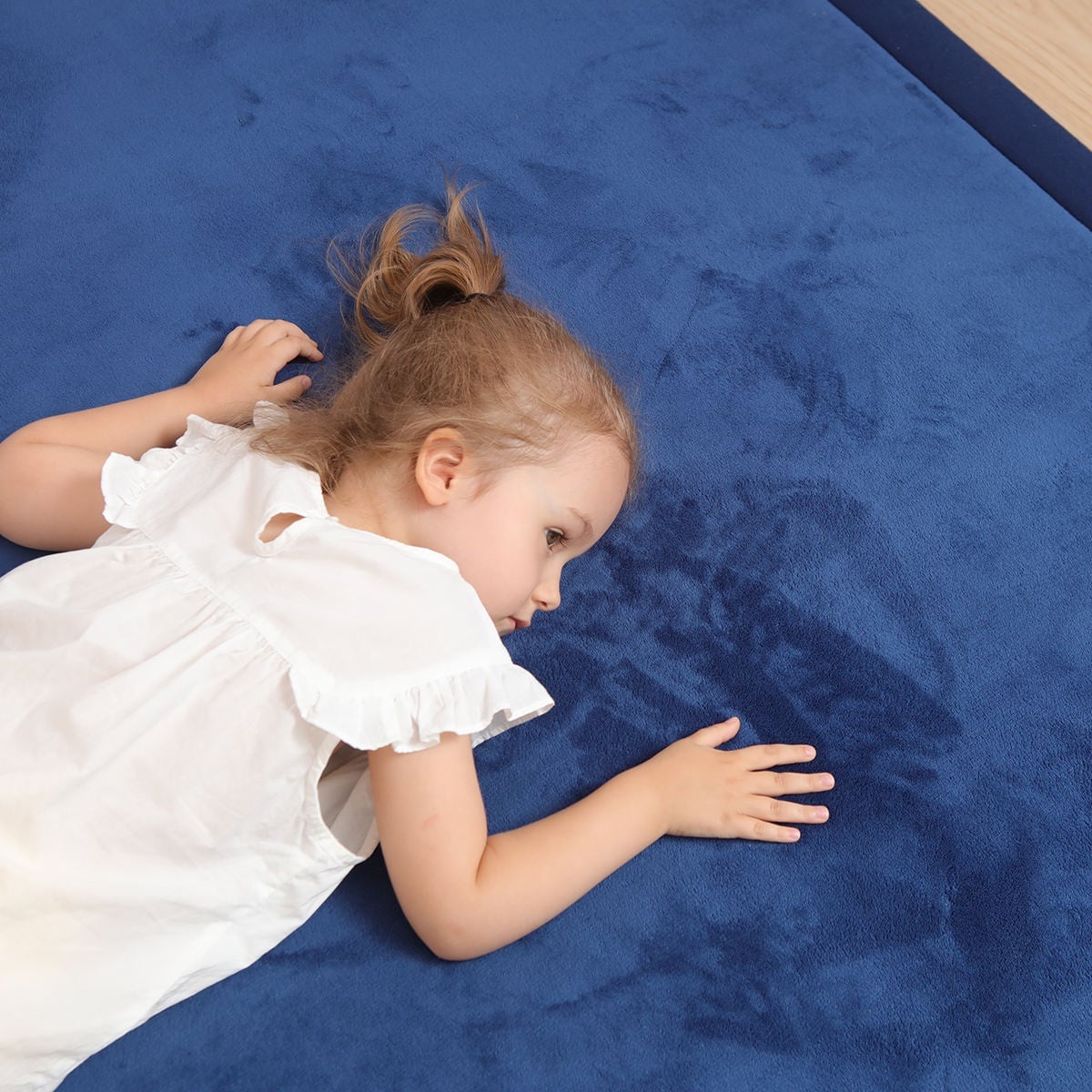
Quality play mat products vary significantly in their material foundation, and this variation directly affects performance, longevity, and child safety. Understanding the core materials used in modern play mats—from foam bases to surface fabrics—enables informed purchasing decisions that align with your household's activity levels and budget constraints. Different material choices reflect different engineering priorities, and knowing these distinctions helps you identify which products genuinely meet your requirements versus those relying on marketing alone.
Ethylene-vinyl acetate (EVA) foam represents one of the most widely used base materials in modern play mat products due to its superior cushioning properties and chemical stability. EVA foam provides excellent shock absorption, reducing impact forces when children fall or jump on the surface. This material resists moisture, mold, and mildew far better than traditional foam alternatives, making it ideal for active play environments. Play mat products featuring EVA foam typically offer better durability through multiple wash cycles and maintain their structural integrity even after extended use in high-traffic areas.
The cell structure of foam materials fundamentally affects how a play mat performs in real-world conditions. Closed-cell foam provides superior water resistance and maintains consistent support even when exposed to moisture from spills or outdoor use. Open-cell foam offers slightly better breathability but absorbs liquids more readily, requiring more frequent cleaning to prevent bacterial growth. Quality play mat manufacturers prioritize closed-cell foam construction because it prevents the bacterial and mold issues that compromise hygiene and create unpleasant odors. This structural choice reflects how seriously manufacturers treat both safety and practical maintenance concerns.
Coral velvet fabric has emerged as a premium surface material for quality play mat products because it combines softness, durability, and skin safety in a single component. This microfiber textile creates a gentle touch against children's skin while resisting pilling and maintaining vibrant colors through repeated washing. Coral velvet surface materials on play mats provide excellent grip without being sticky, preventing slips during active play while allowing children to move naturally. The fabric's tight weave structure resists dust accumulation, making these play mat products easier to maintain and more suitable for children with sensitive skin or allergies.
The bottom layer of quality play mat products requires materials that prevent sliding on hardwood floors, tile, or carpet. Polyurethane and rubber compounds create friction-based anchoring systems that keep mats stationary during vigorous movement. Premium play mat products utilize textured rubber compounds with specific durometer ratings that balance grip effectiveness with floor protection. These bottom materials also resist staining and absorb sound, reducing noise levels in shared living spaces while protecting underlying flooring from sweat and liquid seepage.
While material composition matters tremendously, the structural integrity of play mat products depends heavily on stitching quality and seam engineering. Double-stitched edges and reinforced corners dramatically extend the functional lifespan of play mats compared to single-stitched alternatives. Quality play mat manufacturers employ professional-grade stitching equipment and high-tenacity threads that resist unraveling even when children pull or tug on edges. Examining seam construction reveals whether a play mat product prioritizes genuine durability or simply appears adequate during initial inspection.
The thickness of foam materials in play mat products directly correlates with both comfort and long-term performance. Industry standards suggest that quality play mats maintain foam thickness between 0.6 and 1.2 inches, providing adequate cushioning for fall protection while remaining practical for storage and transport. Foam density—measured in pounds per cubic foot—determines how quickly materials compress and whether they recover their original shape after heavy use. Play mat products engineered with appropriate density specifications resist permanent indentation and outlast thinner, lower-density alternatives by multiple years of active family use.
Materials used in quality play mat products must withstand regular machine washing without degrading or developing odors. Surface fabrics like coral velvet and polyester blends maintain their integrity through multiple wash cycles at moderate temperatures, while inferior materials pill, fade, or develop permanent staining. Quality play mat construction typically features removable covers or fully washable components that eliminate the hygiene challenges associated with permanent stains and bacterial buildup. This washability factor becomes increasingly important in households with multiple children or pets where play mats experience regular soiling.
Modern play mat products increasingly incorporate antimicrobial treatments that inhibit bacterial growth and fungal development on surface materials. These treatments remain effective through multiple wash cycles, providing ongoing protection against allergens and pathogens. Natural hypoallergenic materials like organic cotton and medical-grade polyester appeal to families managing children with eczema or severe allergies. Manufacturers of quality play mats clearly communicate which antimicrobial technologies they employ and provide documentation regarding safety testing for direct skin contact.
Most quality play mat products feature foam thickness between 0.6 and 1.2 inches, which provides adequate cushioning for fall protection while remaining practical for homes with limited storage space. Thickness beyond 1.2 inches may offer minimal additional benefit while creating portability challenges. Consider your specific needs: households with toddlers or active play may benefit from thicker mats, while compact spaces may require thinner options. Verify that the foam material maintains consistent density throughout to ensure lasting support rather than premature compression in high-traffic areas.
Coral velvet represents an excellent choice for play mat surface materials due to its softness, durability, and resistance to pilling during regular washing and use. This fabric resists dust accumulation and maintains vibrant colors through extended play sessions outdoors and indoors. However, other high-quality materials like dense polyester and microfiber blends also perform well in quality play mat products. Your choice should prioritize skin-friendliness, washability, and compatibility with any family members experiencing allergies or sensitive skin conditions.
Washing frequency depends on usage intensity and environmental conditions, but most families benefit from washing quality play mat products every one to two weeks during active use seasons. Increase washing frequency if children use the mat outdoors, engage in messy activities, or if family members show signs of allergies or skin irritation. Examine materials before washing to ensure your specific play mat product tolerates machine washing safely without degrading surface fabrics or compromising foam structural integrity. Proper maintenance of your play mat extends its functional lifespan and protects children's health through consistent hygiene practices.

2026/11/02
Struggling to choose the right living room rugs? Avoid costly mistakes with expert insights on size, material, durability, style & care. Get your perfect rug.

2026/11/03
Worried about infant falls during crawling? Discover how cushioned baby play mats absorb impact, and support motor development. Get expert safety tips now.

2026/11/04
Struggling with messy spills and tummy time needs? Discover waterproof, sensory, and tummy-time-optimized play mat surface. Compare materials now.

2026/11/05
Can a kids play mat reduce noise? Discover how thickness, foam density & full coverage deliver real acoustic relief. Get the guide.

2026/11/06
Why do kids slip on tile, laminate & polished wood? Discover how premium non-slip play mats anchor securely AND absorb impact. Boost safety.

2026/11/09
Tired of scrubbing stains and battling odors? Discover the 5 key kids play mat features—waterproof surfaces, washable covers, non-slip grip. See what makes maintenance effortless.

