 EN

What Should Buyers Know Before Ordering Living Room Rugs?
2026/11/02
Struggling to choose the right living room rugs? Avoid costly mistakes with expert insights on size, material, durability, style & care. Get your perfect rug.
When parents introduce their babies to tummy time and crawling activities, safety becomes the paramount concern. A foam play mat serves as the foundation for these developmental milestones, but not all foam play mats offer equal protection. Understanding what makes a foam play mat safe involves examining material composition, construction quality, certification standards, and design features that work together to create a secure environment for infants. This comprehensive guide explores the critical safety factors that distinguish genuinely protective foam play mats from less reliable alternatives.
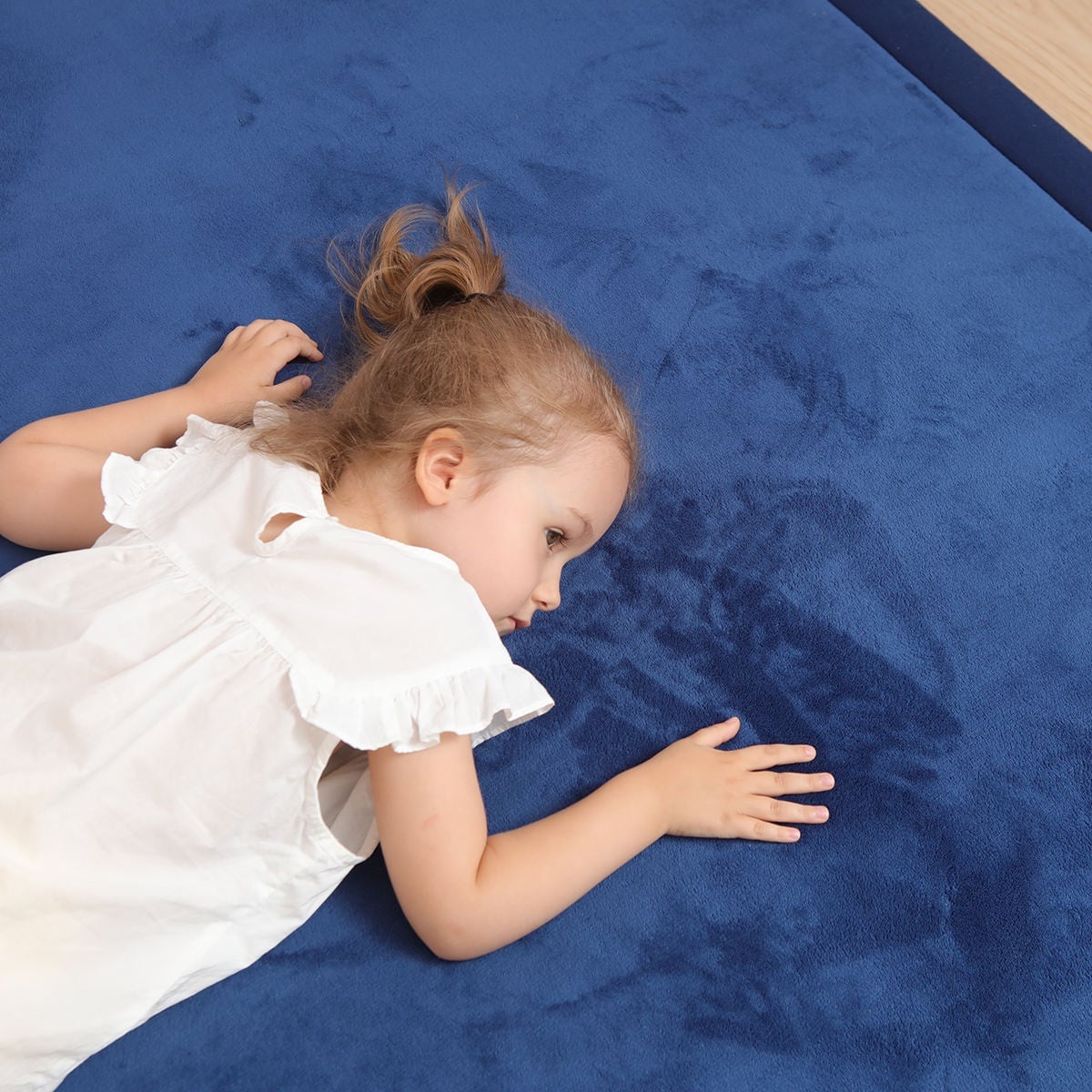
Parents often wonder whether the foam play mat they select will adequately protect their child from falls, pressure points, and environmental contaminants. The answer lies in understanding how manufacturers construct these mats, what materials they use, and which certifications validate their safety claims. A quality foam play mat combines multiple protective layers, non-toxic materials, and appropriate thickness to cushion impacts while maintaining structural integrity throughout months of daily use.
The foundation of any safe foam play mat begins with material selection. High-density polyethylene, ethylene-vinyl acetate, and closed-cell foam represent the primary materials used in infant-safe designs. These materials resist moisture absorption, preventing bacterial growth and mold development that pose health risks. A premium foam play mat uses food-grade or medical-grade polyethylene rather than recycled or industrial-grade alternatives, ensuring the mat poses no chemical exposure risks to babies who mouth surfaces during exploration.
Non-toxic certification provides objective verification that a foam play mat meets safety standards. The Global Organic Textile Standard, Oeko-Tex certification, and CPSIA compliance confirm that manufacturers have tested materials for harmful substances including formaldehyde, phthalates, and heavy metals. When selecting a foam play mat for your nursery, prioritize products displaying these third-party certifications, which indicate independent laboratory testing and ongoing quality monitoring.
Off-gassing represents a significant concern with lower-quality foam play mats. When manufacturers use volatile organic compounds or adhesives, these chemicals gradually release into the air, creating potential respiratory irritation for sensitive infants. A truly safe foam play mat uses water-based adhesives and formulations specifically engineered to minimize off-gassing. Quality products often require minimal off-gassing time before safe use, whereas budget alternatives may require weeks of airing out before providing adequate protection.
The thickness of a foam play mat directly affects its protective capacity. Mats thinner than one-half inch provide minimal cushioning for fall impact, while excessively thick mats become difficult to fold and store. Industry safety standards suggest that an effective foam play mat maintains thickness between one-half inch and one inch, offering optimal balance between protection and practicality. The foam play mat should compress slightly under pressure without bottoming out completely, indicating sufficient density for genuine impact absorption during falls from crawling height.
Multiple-layer construction enhances the protective properties of a foam play mat beyond single-density designs. A quality configuration includes a soft upper layer for comfort, a firm middle layer for support, and a textured base layer for floor grip. This stratified approach allows the foam play mat to absorb impact energy efficiently while maintaining postural support, preventing the spinal compression issues that can result from consistently playing on hard floors.
Surface design represents an often-overlooked safety component of the foam play mat. Textured or patterned surfaces reduce slipping hazards, particularly important as babies begin crawling and bearing weight on their hands and knees. The foam play mat should feature sufficient texture to provide traction without creating uncomfortable pressure points on delicate infant skin. Closed-cell foam surfaces naturally resist water absorption, maintaining consistent traction even when babies drool or spill liquids during feeding sessions on the mat.
A reliable foam play mat carries certifications from recognized testing organizations that verify safety claims through rigorous laboratory procedures. ASTM International and Consumer Product Safety Commission standards establish testing protocols for chemical composition, flammability, and physical durability. When manufacturers submit their foam play mat designs for certification testing, independent laboratories evaluate samples to ensure they meet or exceed these baseline safety requirements. Products bearing these certification marks demonstrate commitment to verifiable safety rather than relying solely on marketing claims.
Beyond material certification, physical performance testing confirms that the foam play mat maintains its protective properties under realistic usage conditions. Drop testing evaluates impact absorption at various heights and locations, ensuring consistent performance across the entire mat surface. Flame resistance testing verifies that the foam play mat will not propagate fire if exposed to heat sources, a critical safety factor in home environments where curious toddlers may encounter candles or heaters.
A safe foam play mat must maintain its protective properties over extended use periods. Quality designs incorporate materials resistant to compression set, meaning the foam maintains its original thickness and cushioning performance after repeated compression cycles. Lower-quality alternatives lose cushioning effectiveness after several months, reducing their ability to protect babies from impact injuries. Manufacturers of premium foam play mat products typically provide durability testing data showing minimal thickness loss even after thousands of simulated use cycles, ensuring parents can depend on consistent protection throughout their child's infancy.
While thicker foam play mats generally provide better cushioning, thickness alone does not guarantee safety. The foam play mat's safety depends on material quality, compression resistance, and overall construction rather than thickness alone. A one-inch foam play mat made from inferior foam may provide less protection than a three-quarter-inch mat constructed from high-density medical-grade materials. Parents should verify material composition and certifications alongside reviewing thickness specifications when evaluating foam play mat safety.
Significant off-gassing from low-quality foam play mats can irritate sensitive respiratory systems, particularly in infants with existing sensitivities or asthma tendencies. However, a properly manufactured foam play mat using non-toxic materials and water-based adhesives produces minimal off-gassing. Before using a new foam play mat, parents should air it out for several hours in a well-ventilated space and monitor their baby for any respiratory changes during initial use. This precaution ensures any residual off-gassing does not affect infant comfort or health.
Parents should look for foam play mat products displaying Oeko-Tex certification, CPSIA compliance marks, and ASTM testing verification. These certifications indicate that independent laboratories have tested the foam play mat for harmful chemicals, flammability, and structural integrity. Additionally, verify that the foam play mat manufacturer provides documentation of material sourcing and third-party testing results. This verification process ensures your foam play mat meets objective safety standards rather than relying on unverified manufacturer claims.

2026/11/02
Struggling to choose the right living room rugs? Avoid costly mistakes with expert insights on size, material, durability, style & care. Get your perfect rug.

2026/11/03
Worried about infant falls during crawling? Discover how cushioned baby play mats absorb impact, and support motor development. Get expert safety tips now.

2026/11/04
Struggling with messy spills and tummy time needs? Discover waterproof, sensory, and tummy-time-optimized play mat surface. Compare materials now.

2026/11/05
Can a kids play mat reduce noise? Discover how thickness, foam density & full coverage deliver real acoustic relief. Get the guide.

2026/11/06
Why do kids slip on tile, laminate & polished wood? Discover how premium non-slip play mats anchor securely AND absorb impact. Boost safety.

2026/11/09
Tired of scrubbing stains and battling odors? Discover the 5 key kids play mat features—waterproof surfaces, washable covers, non-slip grip. See what makes maintenance effortless.

