 EN

What Should Buyers Know Before Ordering Living Room Rugs?
2026/11/02
Struggling to choose the right living room rugs? Avoid costly mistakes with expert insights on size, material, durability, style & care. Get your perfect rug.
A quality memory foam mat combines two essential characteristics that make it valuable in homes, gyms, and commercial spaces: exceptional durability and remarkable softness. Understanding what drives these properties helps buyers make informed decisions when selecting the right mat for their needs. The science behind a durable and soft memory foam mat involves specific material composition, engineering techniques, and quality manufacturing standards that work together to create a product built to last while maintaining comfort underfoot.
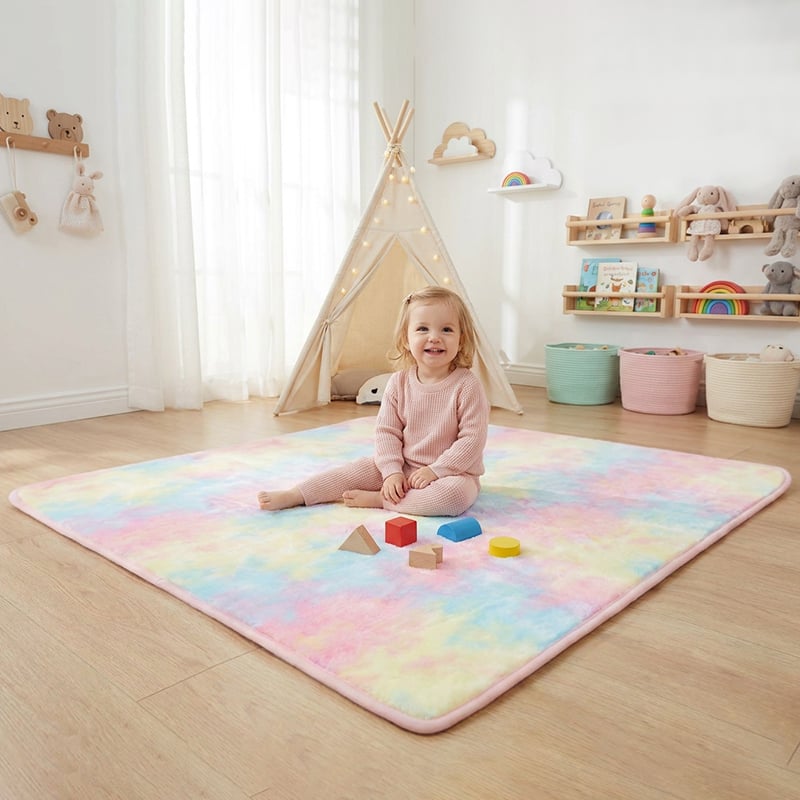
The performance of a memory foam mat depends heavily on its core material density, foam composition, and top-layer construction. Buyers often wonder why certain memory foam mats feel softer while remaining structurally sound, while others deteriorate quickly despite initial softness. This article explores the specific features that distinguish a high-quality memory foam mat from inferior alternatives, including material grades, thickness specifications, and manufacturing processes that guarantee both comfort and longevity.
The foundation of any durable and soft memory foam mat begins with foam quality. Premium memory foam typically ranges from 4 to 5 pounds per cubic foot, which affects both softness and structural integrity. A memory foam mat with higher density foam retains its shape longer and resists permanent indentation from regular use. Lower-density foam may feel initially soft but compresses quickly, losing cushioning properties within months. The chemical composition of the foam—including how polyurethane polymers are structured—determines the mat's ability to balance softness with support.
Quality memory foam mat designs use multiple foam layers to achieve both durability and softness. A typical high-performance memory foam mat includes a soft upper layer for immediate comfort, a medium-density middle section for support, and a firmer base layer for stability and wear resistance. This layered approach prevents the soft surface from compressing into the base, which would reduce the mat's functional lifespan. The interaction between layers in a well-engineered memory foam mat ensures that softness persists even after years of use in busy environments.
The covering material directly impacts both softness perception and durability of a memory foam mat. Premium covers use microfiber, high-thread-count fabric, or specialized synthetic materials that feel soft to the touch while resisting wear, staining, and tearing. A memory foam mat with a durable yet soft cover maintains its aesthetic appeal and tactile comfort even with heavy foot traffic. The attachment method between the cover and the foam—whether glued, stitched, or heat-bonded—affects how well the covering stays intact as the mat ages.
The underside of a durable memory foam mat typically features non-slip technology that prevents shifting on hard floors while protecting underlying surfaces. Quality backing materials add minimal bulk but significantly extend the mat's usable life by preventing base-layer deterioration from moisture and ground contact. A memory foam mat with effective backing maintains structural integrity longer and reduces the need for replacement even in high-moisture areas like bathrooms or gym facilities. This feature directly contributes to the mat's overall durability rating and long-term value proposition.
High-quality memory foam mat manufacturing involves precise compression specifications that lock in optimal softness characteristics. During production, the foam is compressed to specific tolerances that prevent over-compression, which would reduce the mat's responsive feel. When manufacturers control molding temperature and pressure correctly, the resulting memory foam mat maintains consistent softness throughout its structure. Precision manufacturing also ensures uniform density distribution, so no area of the mat becomes disproportionately hard or soft prematurely.
Manufacturers of durable memory foam mats employ rigorous testing protocols that measure compression resistance, thermal response, and material longevity. A memory foam mat that passes industry standards for cyclic compression maintains its original softness properties after thousands of use cycles. Testing also verifies that the mat resists moisture absorption, which would degrade foam structure and create a breeding ground for mold and mildew. Brands that invest in these quality control measures produce memory foam mats with predictable lifespans and consistent performance characteristics.
A high-quality memory foam mat responds appropriately to temperature variations while maintaining structural integrity. In warm conditions, the foam softens optimally without becoming unstable, whereas in cool environments it remains responsive without becoming brittle. Environmental stability in a memory foam mat prevents the material from degrading prematurely due to extreme temperature fluctuations common in homes, offices, and commercial spaces. Foam composition designed for temperature resilience ensures the mat delivers consistent softness and durability across seasons and climate conditions.
A durable memory foam mat resists moisture absorption, which would compromise both softness and structural integrity. Advanced foam formulations and protective coatings prevent water from penetrating deep into the material, where it would encourage bacterial growth and material degradation. Some premium memory foam mat options include antimicrobial treatments that maintain hygienic conditions while preserving the soft feel. This combination of moisture resistance and hygiene features extends the functional lifespan significantly, particularly in high-use or damp environments.
Most durable and soft memory foam mat options feature densities between 4 and 5 pounds per cubic foot. This range balances softness with structural support, ensuring the mat remains responsive without compressing quickly. Mats below 3.5 pounds per cubic foot typically deteriorate faster, while those above 5 pounds may feel too firm. When selecting a memory foam mat, check the manufacturer's density specifications to verify it falls within this optimal range for your intended use.
A well-manufactured memory foam mat with proper care can last 5 to 10 years, depending on usage intensity and environmental conditions. Daily traffic in a gym or commercial space may reduce the effective lifespan to 3 to 5 years, while occasional home use extends it to 8 to 10 years. Factors like humidity, temperature stability, and regular cleaning significantly impact durability. Investing in a premium memory foam mat from manufacturers with strong quality standards typically provides superior longevity compared to budget alternatives.
Yes, proper maintenance enhances both the softness and durability of your memory foam mat. Regular vacuuming removes debris that accelerates wear, while spot-cleaning addresses stains promptly to prevent material degradation. Avoid excessive moisture exposure and ensure adequate air circulation underneath the mat to prevent mold growth. Rotating the memory foam mat periodically distributes wear evenly, preventing localized compression. Using protective furniture pads and limiting direct sunlight exposure also preserves the mat's structural integrity and soft feel over time.

2026/11/02
Struggling to choose the right living room rugs? Avoid costly mistakes with expert insights on size, material, durability, style & care. Get your perfect rug.

2026/11/03
Worried about infant falls during crawling? Discover how cushioned baby play mats absorb impact, and support motor development. Get expert safety tips now.

2026/11/04
Struggling with messy spills and tummy time needs? Discover waterproof, sensory, and tummy-time-optimized play mat surface. Compare materials now.

2026/11/05
Can a kids play mat reduce noise? Discover how thickness, foam density & full coverage deliver real acoustic relief. Get the guide.

2026/11/06
Why do kids slip on tile, laminate & polished wood? Discover how premium non-slip play mats anchor securely AND absorb impact. Boost safety.

2026/11/09
Tired of scrubbing stains and battling odors? Discover the 5 key kids play mat features—waterproof surfaces, washable covers, non-slip grip. See what makes maintenance effortless.

