 EN

What Should Buyers Know Before Ordering Living Room Rugs?
2026/11/02
Struggling to choose the right living room rugs? Avoid costly mistakes with expert insights on size, material, durability, style & care. Get your perfect rug.
Choosing the right play surface for your child is one of the most important decisions parents make for home safety and comfort. A quality kids play mat provides more than just a soft place to sit; it creates a protective environment where children can explore, learn, and develop without injury risk. Understanding what makes a kids play mat truly comfortable requires examining material composition, thickness, surface texture, and construction quality that directly impact how children interact with their play space daily.
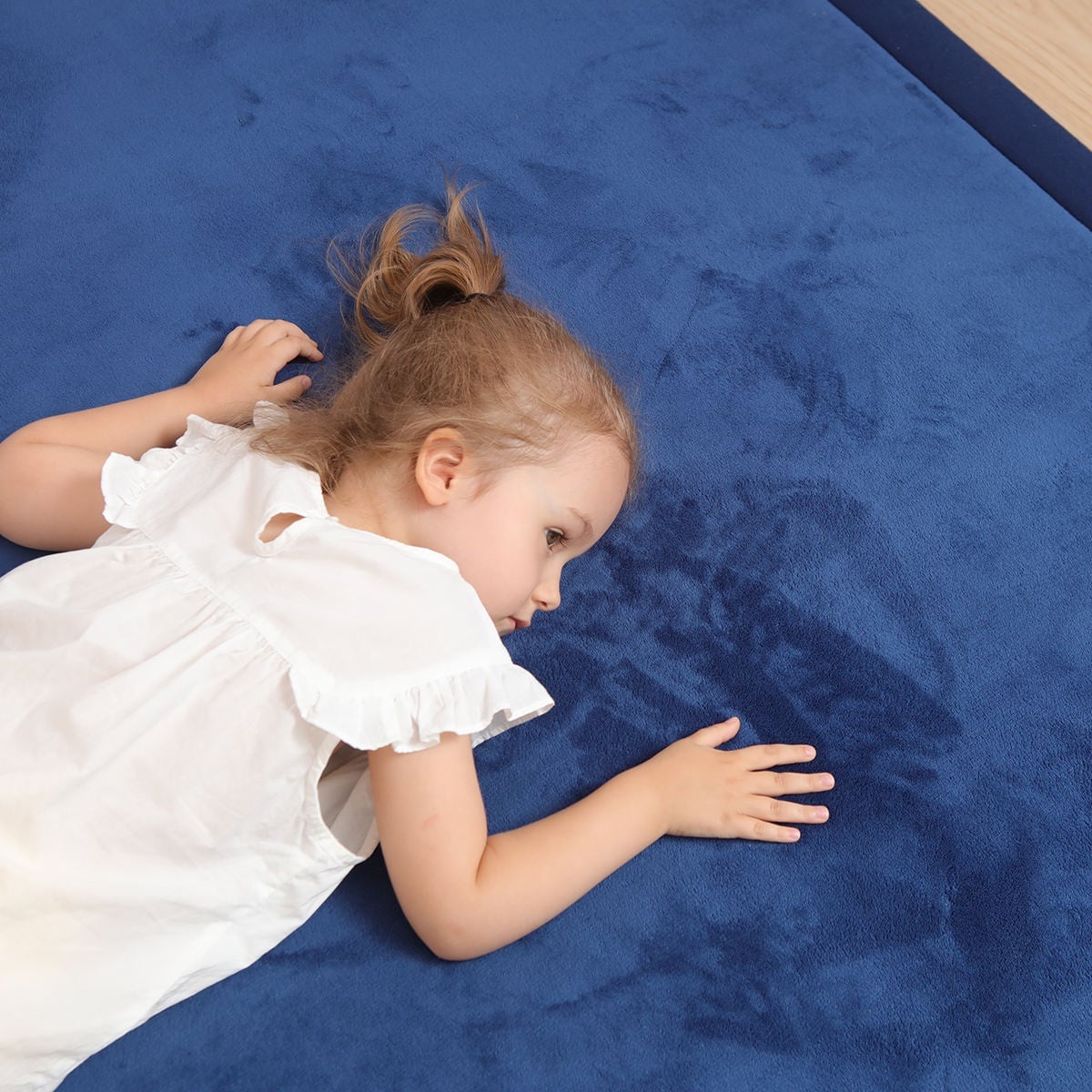
Parents often overlook the technical specifications that determine whether a kids play mat will provide adequate cushioning, temperature regulation, and long-term durability. The comfort level of any play mat depends on multiple interconnected factors working together, from foam density to surface materials and design innovations. This guide explores the essential features that transform an ordinary play surface into a genuinely comfortable kids play mat that supports healthy development and active play.
The foundation of comfort in any kids play mat lies in the foam layer that absorbs impact and provides support. High-density foam creates a responsive surface that neither collapses under weight nor feels uncomfortably hard. A quality kids play mat typically uses closed-cell foam that resists moisture, prevents bacterial growth, and maintains structural integrity over years of use. The thickness of this foam layer directly correlates with comfort; mats thinner than half an inch offer inadequate protection during falls, while premium models often feature one to two inches of carefully engineered foam that balances support with flexibility.
The top layer of a kids play mat determines tactile comfort and safety during contact. Soft materials like coral velvet or microsuede provide a pleasant texture that feels warm and inviting to children while remaining easy to clean. These surface materials also prevent slipping hazards that could cause accidents during active play. The best kids play mat options combine skin-friendly fabrics that reduce irritation and temperature-responsive properties that keep the surface comfortable in various room conditions throughout the day.
A comfortable kids play mat must stay securely in place during vigorous activity. Interlocking edge systems prevent sections from shifting, creating a stable, predictable surface that children can play on confidently. Beveled or rounded edges eliminate tripping hazards and reduce the likelihood of injury when children move quickly across the mat. Reinforced stitching along seams ensures that a kids play mat maintains its shape and cushioning properties even after extended use, preventing sagging or separation that diminishes comfort over time.
The overall thickness of a kids play mat affects how evenly it distributes weight and absorbs impact across different body positions. Thicker mats provide superior cushioning for activities like tumbling, crawling, and extended sitting play sessions. Multi-layer construction in premium models allows each component to serve a specific function: the base layer provides slip resistance, the middle foam creates cushioning, and the top surface offers comfort and easy maintenance. This engineered approach ensures that a kids play mat performs optimally across all play scenarios and age groups.
Parents naturally prioritize safety when selecting a kids play mat for their home. Non-toxic foam and hypoallergenic surface materials prevent skin irritation and allergic reactions during prolonged contact. Certifications from recognized safety standards confirm that a kids play mat contains no harmful chemicals or off-gassing compounds that could affect respiratory health. The material composition also impacts temperature regulation, preventing the surface from becoming uncomfortably hot or cold during play sessions in different seasons or room conditions.
A truly comfortable kids play mat accommodates the practical demands of family life. Stain-resistant surface materials and water-resistant foam construction make cleaning quick and simple, encouraging parents to maintain hygiene standards effortlessly. Most modern kids play mat designs can be wiped clean with mild soap and water, while some premium options feature washable components that can be gently laundered. This ease of maintenance supports long-term comfort by preventing the accumulation of dust, allergens, and bacteria that could diminish the mat's appeal and safety over time.
The ideal thickness for a kids play mat depends on intended use and child age. For infants and toddlers, a half-inch to one-inch thick kids play mat provides adequate cushioning for developmental play and crawling. Older children benefit from one to two-inch thickness that offers superior impact protection during more vigorous activities. Measure your available space and consider the primary activities your child will perform on the mat when selecting appropriate thickness levels.
Soft, skin-friendly materials like coral velvet, microsuede, or premium cotton blends offer the best comfort for a kids play mat. These fabrics provide warmth, gentle texture, and moisture-wicking properties that keep children comfortable during extended play sessions. Choose surface materials that match your climate and home temperature patterns, as different fabrics respond differently to seasonal changes. Ensure any kids play mat surface material is hypoallergenic and free from harmful dyes or finishes.
A comfortable, safe play surface encourages children to explore movement, build motor skills, and engage in imaginative play. The supportive cushioning of a quality kids play mat reduces fall-related injuries, allowing children to take developmental risks confidently. Consistent access to a comfortable, designated play area promotes independent play and cognitive development while giving parents peace of mind about their child's safety during these crucial developmental years.

2026/11/02
Struggling to choose the right living room rugs? Avoid costly mistakes with expert insights on size, material, durability, style & care. Get your perfect rug.

2026/11/03
Worried about infant falls during crawling? Discover how cushioned baby play mats absorb impact, and support motor development. Get expert safety tips now.

2026/11/04
Struggling with messy spills and tummy time needs? Discover waterproof, sensory, and tummy-time-optimized play mat surface. Compare materials now.

2026/11/05
Can a kids play mat reduce noise? Discover how thickness, foam density & full coverage deliver real acoustic relief. Get the guide.

2026/11/06
Why do kids slip on tile, laminate & polished wood? Discover how premium non-slip play mats anchor securely AND absorb impact. Boost safety.

2026/11/09
Tired of scrubbing stains and battling odors? Discover the 5 key kids play mat features—waterproof surfaces, washable covers, non-slip grip. See what makes maintenance effortless.

