 EN

What Should Buyers Know Before Ordering Living Room Rugs?
2026/11/02
Struggling to choose the right living room rugs? Avoid costly mistakes with expert insights on size, material, durability, style & care. Get your perfect rug.
An acupressure mat is designed to provide therapeutic relief through targeted pressure point stimulation, but comfort during use is just as important as the therapy itself. Many users struggle to find an acupressure mat that balances effective acupressure with genuine comfort, making it essential to understand which features contribute to a pleasant user experience. The right combination of material quality, spike design, and structural support transforms your acupressure mat from a tolerable tool into a genuinely enjoyable wellness device.
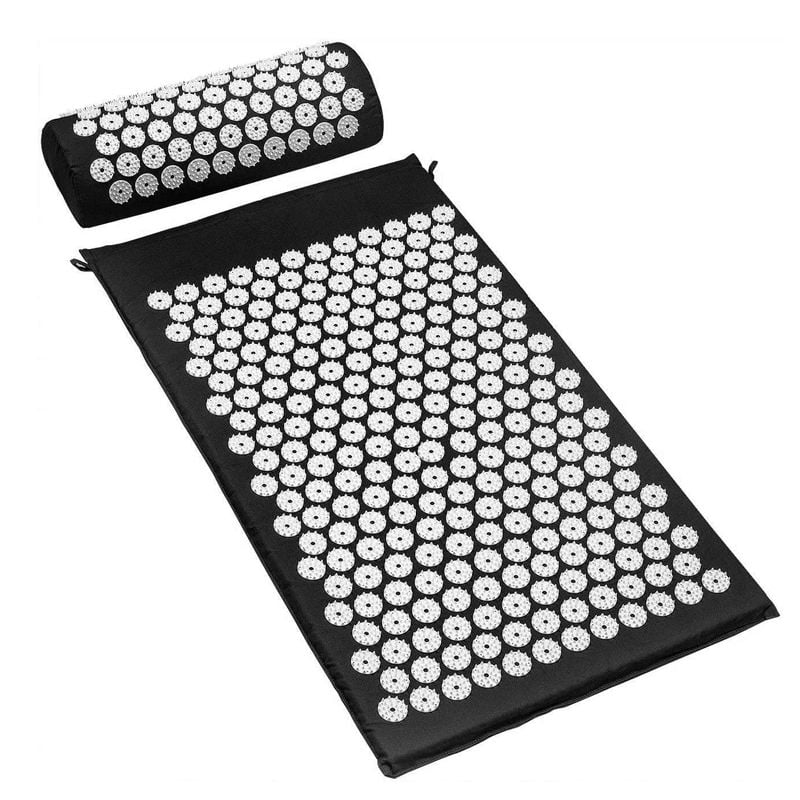
Comfort in an acupressure mat depends on several interconnected factors that work together to create a supportive, pain-relieving experience without unnecessary discomfort. When manufacturers prioritize both therapeutic effectiveness and user comfort, the result is an acupressure mat that people actually want to use consistently rather than avoid. Understanding these comfort-driven features helps you make an informed decision about which acupressure mat best suits your body type, sensitivity level, and wellness goals.
The fabric base of your acupressure mat significantly influences comfort during prolonged use. High-quality cotton blends provide a softer, more forgiving surface compared to rough synthetic materials, reducing skin irritation and allowing you to relax fully. A densely woven fabric helps distribute your body weight evenly across the acupressure mat, preventing pressure from concentrating on small areas and creating discomfort. Look for an acupressure mat with premium fabric that feels smooth to the touch yet durable enough to withstand regular use.
The spikes on your acupressure mat should be made from non-toxic, hypoallergenic plastic or medical-grade materials that are safe for extended skin contact. Rigid spikes create sharp pressure points that can feel harsh on sensitive skin, while properly designed spikes offer flexibility to conform to your body's contours. A comfortable acupressure mat features spikes with slight give, allowing them to adapt to your body rather than forcing your body to adapt to fixed, unyielding points. This flexibility dramatically reduces the initial discomfort many users experience when first using an acupressure mat.
The size of your acupressure mat directly affects how comfortable it is to use for different areas of your body. A full-body acupressure mat measuring approximately 28 by 68 inches provides coverage for your back, shoulders, and legs, allowing you to address multiple problem areas without repositioning. Smaller targeted acupressure mats work well for focused relief on specific zones like the neck or feet. The thickness of your acupressure mat matters too—a mat between 0.5 and 0.75 inches thick offers optimal cushioning without feeling too soft or too firm, creating a comfortable acupressure experience.
A well-designed acupressure mat supports your natural spine alignment, which is crucial for comfort during use. When your spine is properly supported, your muscles relax more easily, and the acupressure points can work more effectively without causing strain. Many acupressure mat systems include a matching pillow for your neck and head, ensuring that your entire body remains in a comfortable, therapeutic position. This integrated approach to comfort makes the acupressure mat session more enjoyable and prevents the neck tension that can result from poor positioning.
Comfort extends beyond physical support to include temperature management during your acupressure mat session. Breathable fabric allows air circulation, preventing heat buildup that can make extended use uncomfortable. Some premium acupressure mat designs incorporate moisture-wicking properties that keep perspiration from accumulating, maintaining a fresh sensation throughout your session. This thermal regulation is especially important for users who plan to spend 15 to 30 minutes on their acupressure mat daily.
A comfortable acupressure mat experience often depends on how gradually your body adjusts to the pressure points. Starting with shorter sessions—typically five to ten minutes—on your acupressure mat allows your skin and muscles to acclimate, reducing initial discomfort significantly. The spacing between spikes on your acupressure mat affects how pressure is distributed; wider spacing creates lighter pressure, while denser spike patterns provide deeper stimulation. Choosing an acupressure mat with appropriate spike density for your sensitivity level ensures comfort from your first use.
A comfortable user experience with your acupressure mat includes convenient storage and portability. Lightweight acupressure mat designs that roll up easily or include a carrying case make it practical to use your mat at home, the office, or while traveling. Easy storage encourages consistent use, which amplifies the wellness benefits you experience from your acupressure mat investment.
An acupressure mat designed for comfort should also be simple to maintain without degrading over time. Removable, washable covers protect your acupressure mat while ensuring hygiene and extending its lifespan. When your acupressure mat remains in excellent condition, the comfort level stays consistent session after session, supporting long-term wellness routines.
Most people need three to five sessions to acclimate to the sensation of an acupressure mat, with each session becoming more comfortable as your body adjusts. Starting with five-minute sessions and gradually extending to 20-30 minutes helps your skin and muscles adapt without overwhelming discomfort. Choosing a high-quality acupressure mat with softer, more flexible spikes accelerates this adjustment period significantly.
Lying on your back with your knees bent and a supporting pillow under your head creates optimal comfort during acupressure mat sessions. This position evenly distributes your body weight across the mat and maintains proper spine alignment. Some users prefer positioning an acupressure mat under their legs or using a smaller mat for targeted neck relief while seated.
No—in fact, a comfortable acupressure mat encourages longer sessions and more consistent use, both of which enhance therapeutic results. The goal is finding the right balance where your acupressure mat provides adequate stimulation without causing pain. A properly designed acupressure mat achieves this balance, making comfort and effectiveness complementary rather than contradictory features.

2026/11/02
Struggling to choose the right living room rugs? Avoid costly mistakes with expert insights on size, material, durability, style & care. Get your perfect rug.

2026/11/03
Worried about infant falls during crawling? Discover how cushioned baby play mats absorb impact, and support motor development. Get expert safety tips now.

2026/11/04
Struggling with messy spills and tummy time needs? Discover waterproof, sensory, and tummy-time-optimized play mat surface. Compare materials now.

2026/11/05
Can a kids play mat reduce noise? Discover how thickness, foam density & full coverage deliver real acoustic relief. Get the guide.

2026/11/06
Why do kids slip on tile, laminate & polished wood? Discover how premium non-slip play mats anchor securely AND absorb impact. Boost safety.

2026/11/09
Tired of scrubbing stains and battling odors? Discover the 5 key kids play mat features—waterproof surfaces, washable covers, non-slip grip. See what makes maintenance effortless.

