 EN

What Should Buyers Know Before Ordering Living Room Rugs?
2026/11/02
Struggling to choose the right living room rugs? Avoid costly mistakes with expert insights on size, material, durability, style & care. Get your perfect rug.
Creating an engaging environment for children requires careful consideration of how design influences their interaction and enjoyment. A well-designed play mat serves as more than just a protective surface; it becomes a focal point that encourages active play, creativity, and developmental growth. The visual appeal and functional elements of a play mat directly impact how frequently children choose to use it and how engaged they remain during playtime.
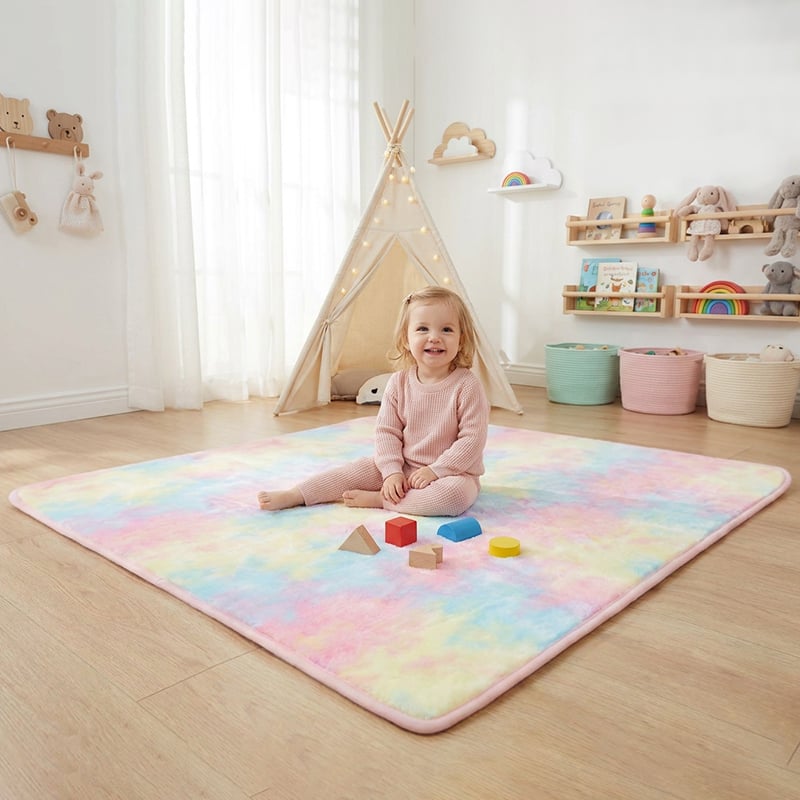
When parents and caregivers select a play mat for their children, design choices matter significantly. The most attractive play mats combine aesthetic appeal with practical functionality, ensuring that children remain stimulated while maintaining safety and comfort throughout their playtime sessions.
Children are naturally drawn to bold, vibrant colors that capture their attention and stimulate visual development. A colorful play mat with multiple hues creates an inviting space that encourages kids to spend more time playing and exploring. Bright colors like reds, blues, yellows, and greens have been shown to enhance mood and promote cognitive engagement in young children. The contrast between different color zones on a play mat also helps define separate play areas, allowing children to organize imaginative play scenarios.
Rainbow-inspired designs have become increasingly popular because they offer visual richness without overwhelming young minds. These playful patterns make a play mat more than just functional furniture; they transform it into an attractive play destination. Gradual color transitions and harmonious color combinations create visual interest while maintaining a balanced, aesthetically pleasing appearance that appeals to both children and parents.
Thematic color groupings, such as ocean blues, forest greens, or pastel combinations, help create cohesive visual narratives that fuel imaginative play. A play mat featuring sunset colors or nature-inspired palettes connects children to real-world concepts while remaining visually attractive. These themed designs encourage storytelling and role-playing, making the play mat an engaging focal point in any room. Colors that align with popular characters or seasonal themes also increase a play mat's appeal to different age groups and preferences.
Patterns on a play mat serve both aesthetic and developmental purposes. Geometric shapes, abstract designs, and playful illustrations create visual interest that maintains children's attention during extended play sessions. A play mat featuring varied patterns across its surface provides multiple focal points, preventing boredom and encouraging exploratory movement. Polka dots, stripes, chevrons, and tile-like patterns each offer distinct visual appeal while maintaining clarity and visual comfort for young eyes.
Illustrated designs featuring animals, vehicles, or educational elements transform a play mat into a learning tool. These narrative-rich patterns encourage children to interact with specific areas of the mat, creating structured play zones without restricting creative freedom. A play mat with subtle educational components, like number sequences or alphabet elements woven into the design, supports cognitive development while remaining visually attractive and fun.
Beyond visual design, the tactile qualities of a play mat significantly influence its attractiveness to children. Varied textures including soft padding, raised patterns, and different fabric finishes provide sensory stimulation that enhances the play experience. A play mat with quilted sections, embossed details, or contrasting material zones invites tactile exploration, particularly benefiting younger children who learn through touch. Memory foam construction combined with textured surface treatments creates a play mat that feels pleasant to touch and encourages barefoot play.
An attractive play mat must prioritize safety without compromising visual appeal. Non-slip bases that keep a play mat securely in place prevent accidents while allowing children to play confidently. Reinforced edges and stitching that resists fraying extend the mat's lifespan while maintaining its visual appeal over time. Safety certifications and hypoallergenic materials reassure parents, making them more likely to invest in a play mat that balances attractive design with protective features.
A play mat that retains its attractive appearance after regular use appeals to families seeking long-term solutions. Stain-resistant coatings and fade-resistant dyes ensure that colors remain vibrant even after frequent cleaning and exposure to sunlight. Washable covers and easy-to-clean surfaces mean a play mat stays visually fresh and hygienic throughout its useful life. These practical design considerations make an attractive play mat a worthwhile investment that maintains its initial appeal across multiple children or extended use periods.
Infants respond best to high-contrast colors like black, white, and red, while toddlers and older children prefer vibrant, multi-colored designs. Rainbow and pastel combinations appeal across age ranges. A play mat designed with age-appropriate color choices maintains attractiveness as children grow and their preferences evolve, making it a versatile investment.
Patterns on a play mat stimulate visual tracking, encourage movement exploration, and support cognitive development. Geometric and educational patterns help children recognize shapes and concepts, while themed illustrations fuel imaginative play. An attractively patterned play mat naturally encourages extended engagement, supporting developmental milestones through purposeful play.
The most attractive play mats combine appealing design elements with non-slip bases, durable materials, and easy maintenance features. Quality construction, hypoallergenic materials, and certified safety standards ensure that visual appeal does not sacrifice child protection. Choosing a play mat that meets safety regulations while featuring engaging colors and patterns provides the best balance for families.

2026/11/02
Struggling to choose the right living room rugs? Avoid costly mistakes with expert insights on size, material, durability, style & care. Get your perfect rug.

2026/11/03
Worried about infant falls during crawling? Discover how cushioned baby play mats absorb impact, and support motor development. Get expert safety tips now.

2026/11/04
Struggling with messy spills and tummy time needs? Discover waterproof, sensory, and tummy-time-optimized play mat surface. Compare materials now.

2026/11/05
Can a kids play mat reduce noise? Discover how thickness, foam density & full coverage deliver real acoustic relief. Get the guide.

2026/11/06
Why do kids slip on tile, laminate & polished wood? Discover how premium non-slip play mats anchor securely AND absorb impact. Boost safety.

2026/11/09
Tired of scrubbing stains and battling odors? Discover the 5 key kids play mat features—waterproof surfaces, washable covers, non-slip grip. See what makes maintenance effortless.

