 EN

What Should Buyers Know Before Ordering Living Room Rugs?
2026/11/02
Struggling to choose the right living room rugs? Avoid costly mistakes with expert insights on size, material, durability, style & care. Get your perfect rug.
When planning a custom rugs project, understanding the design options available is essential for making informed decisions. Custom rugs offer manufacturers and retailers extensive flexibility in creating products that match specific market demands, brand aesthetics, and consumer preferences. The range of design possibilities spans from traditional woven patterns to contemporary digital printing techniques, allowing businesses to differentiate their offerings in a competitive marketplace. This comprehensive guide explores the primary design categories, customization features, and technical considerations that shape custom rugs production decisions.
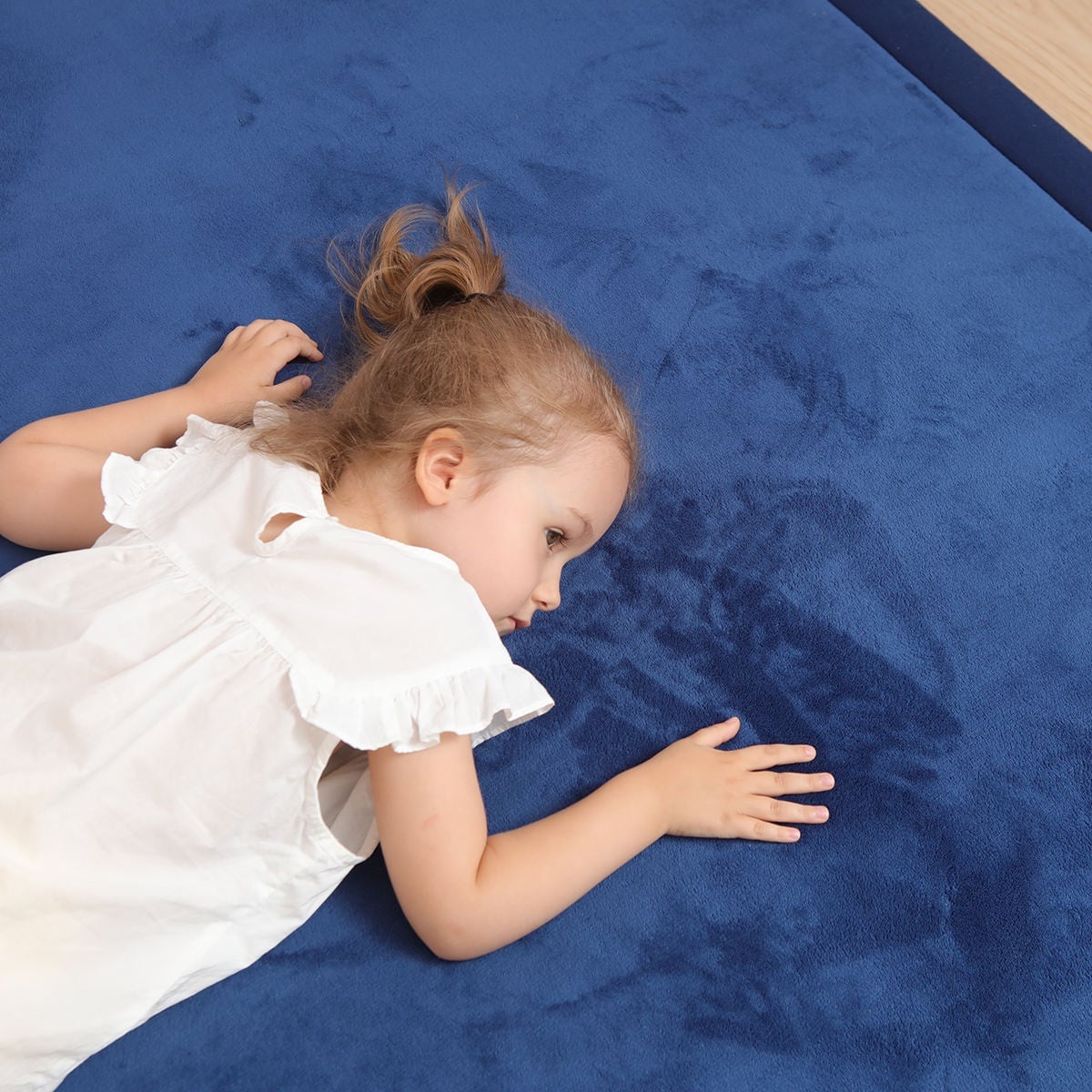
The design landscape for custom rugs encompasses multiple dimensions including color schemes, pattern types, material compositions, and structural features. Manufacturers today can produce custom rugs using both traditional craftsmanship methods and advanced digital technologies. Understanding these options helps businesses align their production capabilities with market opportunities and customer expectations.
Traditional design styles remain popular for custom rugs production, particularly in segments targeting heritage-conscious consumers and premium markets. These patterns draw from Persian, Turkish, Moroccan, and other cultural traditions, featuring intricate geometric motifs, floral designs, and symbolic elements. Manufacturers producing custom rugs with traditional patterns typically employ skilled weavers or digital looms programmed with heritage designs. This approach requires careful attention to color accuracy, proportion consistency, and authentic representation of cultural elements, ensuring products maintain aesthetic integrity while meeting quality standards.
Modern consumers increasingly seek custom rugs featuring contemporary aesthetics, including minimalist geometric shapes, abstract compositions, and solid color-blocked designs. These patterns align with current interior design trends and modern architectural spaces. Producing custom rugs with contemporary patterns often utilizes digital printing and modern weaving techniques that enable rapid prototyping and design iteration. Manufacturers can quickly test color combinations, scale adjustments, and compositional variations to meet evolving market preferences.
Among the most fundamental customization options for custom rugs production are size and color selections. Businesses can specify dimensions ranging from small accent pieces to large area rugs, accommodating various room sizes and spatial requirements. Color customization extends beyond basic shade selection to include custom color matching, gradient effects, and multi-color compositions. This flexibility enables retailers and designers to fulfill specific project requirements, match existing décor schemes, and create cohesive interior environments. Advanced matching systems allow manufacturers to replicate client color specifications with precision, ensuring consistency across production batches.
Custom rugs can incorporate diverse fiber materials including wool, silk, synthetic fibers, natural plant-based materials, and blended compositions. Each material offers distinct characteristics affecting durability, appearance, maintenance requirements, and cost structure. Wool custom rugs provide traditional warmth and resilience, while synthetic fibers enable stain resistance and easy cleaning suitable for high-traffic environments. Natural materials like jute and sisal appeal to eco-conscious consumers seeking sustainable options. Selecting appropriate fiber combinations for custom rugs production requires understanding performance demands of intended spaces and consumer lifestyle considerations.
Modern custom rugs production increasingly utilizes digital printing technologies enabling photorealistic image reproduction, complex color gradients, and intricate detail rendering. These methods allow manufacturers to transform client artwork, photographs, and detailed designs into high-quality rug products. Digital tufting machines offer precision in creating dimensional textures and sculptural effects, adding visual and tactile interest to custom rugs. This technology democratizes design possibilities, enabling small businesses and individual designers to create sophisticated custom rugs without extensive traditional weaving expertise or equipment investment.
Custom rugs now frequently incorporate personalization elements including monograms, company logos, text elements, and bespoke imagery. Businesses utilize custom rugs for branding purposes in retail spaces, hospitality venues, and corporate environments. This market segment has expanded significantly as organizations recognize floor coverings as underutilized branding real estate. Manufacturers producing custom rugs with embedded branding elements must maintain design clarity and visual impact while preserving rug functionality and aesthetics. This fusion of art, commerce, and functionality has created new opportunities for custom rugs design innovation and market differentiation.
When specifying custom rugs designs, understanding technical parameters ensures final products meet visual quality expectations. Digital resolution, yarn count, tuft density, and pile height all influence design reproduction quality and durability. Designers working on custom rugs projects should coordinate closely with manufacturers to establish technical specifications aligned with design intentions. Complex patterns with fine details require higher resolution capabilities and denser pile construction, affecting both production timelines and cost structures for custom rugs projects.
Professional custom rugs production typically incorporates sampling phases allowing design review before full-scale manufacturing. Manufacturers create samples representing proposed color schemes, material compositions, and pattern details, enabling clients to assess outcomes before production commitment. This iterative process reduces risks associated with custom rugs projects, particularly for high-value orders or designs involving novel elements. Effective communication throughout sampling phases ensures final products align with client expectations and project specifications.
Both traditional and contemporary design styles perform well for residential custom rugs, depending on interior décor preferences. Traditional patterns suit classic and eclectic aesthetics, while contemporary designs complement modern furnishings and minimalist spaces. The best choice depends on existing décor, room lighting, and personal style preferences. Many homeowners appreciate custom rugs because they can match specific design visions without settling for standard retail options. Professional designers often recommend considering room scale, traffic patterns, and long-term design intentions when selecting patterns for custom rugs.
Material selection fundamentally impacts both visual appearance and functional performance of custom rugs. Natural fibers like wool offer traditional aesthetics and durability but require more maintenance, while synthetic materials provide stain resistance and easy cleaning ideal for busy households. For custom rugs in high-traffic areas, durable synthetic blends or commercial-grade materials ensure longevity despite heavy use. Design patterns may appear different across material types due to varying light reflection properties and pile characteristics. Consulting with manufacturers helps balance aesthetic preferences with practical durability requirements for specific custom rugs applications.
Yes, modern digital printing technologies enable custom rugs to feature personal photographs, artwork, and bespoke imagery with impressive detail and color accuracy. This capability allows clients to create truly unique floor coverings that serve as functional art pieces. Digital reproduction quality depends on source image resolution and complexity, so high-quality source files produce superior results in custom rugs projects. Some manufacturers offer design consultation services helping clients prepare artwork and optimize designs for rug production. This personalization option has significantly expanded creative possibilities for custom rugs applications in residential, commercial, and institutional settings.

2026/11/02
Struggling to choose the right living room rugs? Avoid costly mistakes with expert insights on size, material, durability, style & care. Get your perfect rug.

2026/11/03
Worried about infant falls during crawling? Discover how cushioned baby play mats absorb impact, and support motor development. Get expert safety tips now.

2026/11/04
Struggling with messy spills and tummy time needs? Discover waterproof, sensory, and tummy-time-optimized play mat surface. Compare materials now.

2026/11/05
Can a kids play mat reduce noise? Discover how thickness, foam density & full coverage deliver real acoustic relief. Get the guide.

2026/11/06
Why do kids slip on tile, laminate & polished wood? Discover how premium non-slip play mats anchor securely AND absorb impact. Boost safety.

2026/11/09
Tired of scrubbing stains and battling odors? Discover the 5 key kids play mat features—waterproof surfaces, washable covers, non-slip grip. See what makes maintenance effortless.

