 EN

What Should Buyers Know Before Ordering Living Room Rugs?
2026/11/02
Struggling to choose the right living room rugs? Avoid costly mistakes with expert insights on size, material, durability, style & care. Get your perfect rug.
Selecting the right colors for a nursery rug involves far more than personal preference. The colors you choose directly influence your child's mood, sleep quality, cognitive development, and the overall atmosphere of the room. A well-designed nursery rug creates a foundation for early learning, comfort, and safety while complementing your home's interior design. Understanding color psychology, developmental needs, and practical considerations helps parents and caregivers make informed decisions that benefit both the child and the space.
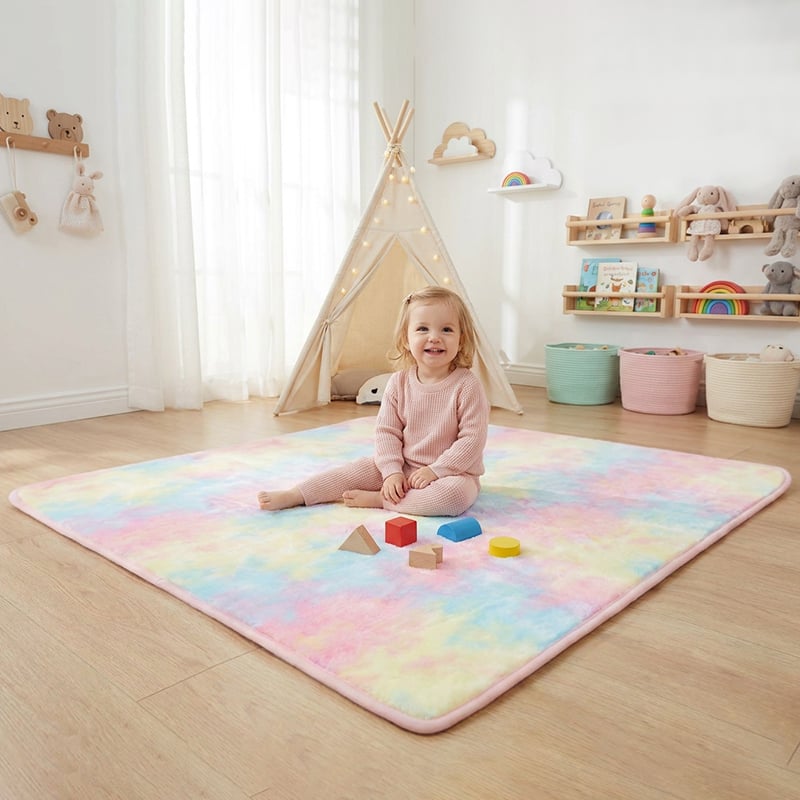
When designing a nursery space, the nursery rug serves as both a functional element and a visual anchor that ties the room together. Beyond aesthetics, color choices affect light reflection, temperature perception, and emotional responses. Parents often overlook how subtle shifts in hue can transform a nursery from overstimulating to soothing, or from boring to engaging. The best nursery rug designs balance developmental psychology with practical durability and aesthetic harmony.
Soft pastels remain the gold standard for nursery rug designs because they create a gentle, non-threatening visual environment. Pale blues, soft greens, warm grays, and creamy ivories promote relaxation and signal safety to infants. These colors reflect light softly without creating harsh glare that disrupts sleep patterns. A nursery rug in soft blue particularly supports healthy sleep cycles by mimicking natural sky tones that align with circadian rhythms. Neutral backgrounds also allow other room elements—such as furniture, artwork, and toys—to stand out without overwhelming visual competition.
Warm earth tones including beige, soft tan, warm gray, and gentle taupe create a cozy, grounded feeling in a nursery. These colors evoke natural materials and outdoor environments, which research suggests promotes calm and reduces stress in young children. A nursery rug with warm earth tones works particularly well in rooms with natural wooden furniture or in spaces where parents prefer a minimalist aesthetic. These hues also hide stains and wear better than pure whites or very light colors, making them practical for high-traffic nursery areas.
Soft versions of primary colors—muted red, gentle yellow, and light blue—support visual development and cognitive engagement without overstimulation. A nursery rug that incorporates gentle primary colors can stimulate color recognition in infants while maintaining enough softness to avoid agitation. Pale yellow encourages happiness and curiosity, while muted red promotes warmth without aggression. These colors work best in nursery designs when used sparingly or blended with neutral backgrounds rather than as dominant features.
Soft greens, pale lavender, and gentle sage create a connection to nature that supports calm yet engaged learning. These colors appear frequently in nature-themed nursery rug designs and promote both visual interest and emotional regulation. Lavender particularly bridges the gap between calming and stimulating, offering gentle creativity without high arousal. Nature-inspired nursery rug colors work well when combined with natural textures like cotton or wool fibers that enhance the organic aesthetic.
Medium-toned colors in a nursery rug design hide accidents, spills, and dust better than very light or very dark options. Light colors show every stain and require frequent cleaning, while very dark colors can appear heavy and less cheerful in a child's room. Strategic color choices in a nursery rug balance aesthetic preferences with real-world maintenance demands. Patterned designs that blend multiple colors provide excellent camouflage for inevitable spills and marks that come with active children.
Natural and artificial lighting dramatically affects how nursery rug colors appear throughout the day. Rooms with abundant natural light can handle cooler tones and slightly darker shades without feeling cold or cramped. Nurseries with limited natural light benefit from warm undertones and lighter values that reflect available light and expand perceived space. A nursery rug's color should be evaluated in the actual room under different lighting conditions before final selection, as paint swatches and online images rarely capture true appearance in context.
While color psychology offers general guidance, personal and cultural associations with colors matter significantly. Some families associate specific colors with luck, health, or spiritual meaning. A nursery rug color that aligns with family values and cultural background creates deeper emotional connection and meaning for parents. This personalization, combined with developmental considerations, ensures the space feels welcoming and authentic to your family while still supporting your child's growth and wellbeing.
Soft pastels like pale blue, gentle green, and warm cream work best for newborns because they minimize visual overstimulation while creating a calm sleep environment. Newborns have developing vision and respond well to subtle contrasts and non-jarring colors. A nursery rug in these soft tones reduces stress for both baby and caregivers during nighttime routines and early months of adjustment.
Bold colors can work in nursery designs when used strategically as accents rather than dominant features. Consider a nursery rug with a soft background and small areas of gentle color variation to provide visual interest without overstimulation. Bold colors work better as your child grows into toddlerhood and their visual development and emotional regulation mature. Test bold color choices in small amounts before committing to a full nursery rug in intense hues.
Colors in a nursery rug influence sleep through light reflection and psychological association. Cool colors like soft blue and green promote relaxation and signal nighttime through circadian rhythm alignment. Warm colors promote wakefulness, so predominantly warm nursery rug designs may interfere with sleep quality if used as the primary room focal point. Strategic color choice in your nursery rug creates environmental conditions that support healthy sleep patterns naturally.

2026/11/02
Struggling to choose the right living room rugs? Avoid costly mistakes with expert insights on size, material, durability, style & care. Get your perfect rug.

2026/11/03
Worried about infant falls during crawling? Discover how cushioned baby play mats absorb impact, and support motor development. Get expert safety tips now.

2026/11/04
Struggling with messy spills and tummy time needs? Discover waterproof, sensory, and tummy-time-optimized play mat surface. Compare materials now.

2026/11/05
Can a kids play mat reduce noise? Discover how thickness, foam density & full coverage deliver real acoustic relief. Get the guide.

2026/11/06
Why do kids slip on tile, laminate & polished wood? Discover how premium non-slip play mats anchor securely AND absorb impact. Boost safety.

2026/11/09
Tired of scrubbing stains and battling odors? Discover the 5 key kids play mat features—waterproof surfaces, washable covers, non-slip grip. See what makes maintenance effortless.

