 EN

What Should Buyers Know Before Ordering Living Room Rugs?
2026/11/02
Struggling to choose the right living room rugs? Avoid costly mistakes with expert insights on size, material, durability, style & care. Get your perfect rug.
Selecting the right memory foam mat thickness is one of the most critical decisions you'll make when investing in comfort and protection for your space. Whether you need a mat for yoga, exercise, play, or industrial applications, thickness directly impacts comfort, durability, support, and performance. Many buyers overlook this fundamental factor, leading to poor experiences with mats that don't meet their actual needs. Understanding the relationship between thickness and functionality will help you make an informed choice that delivers lasting value.
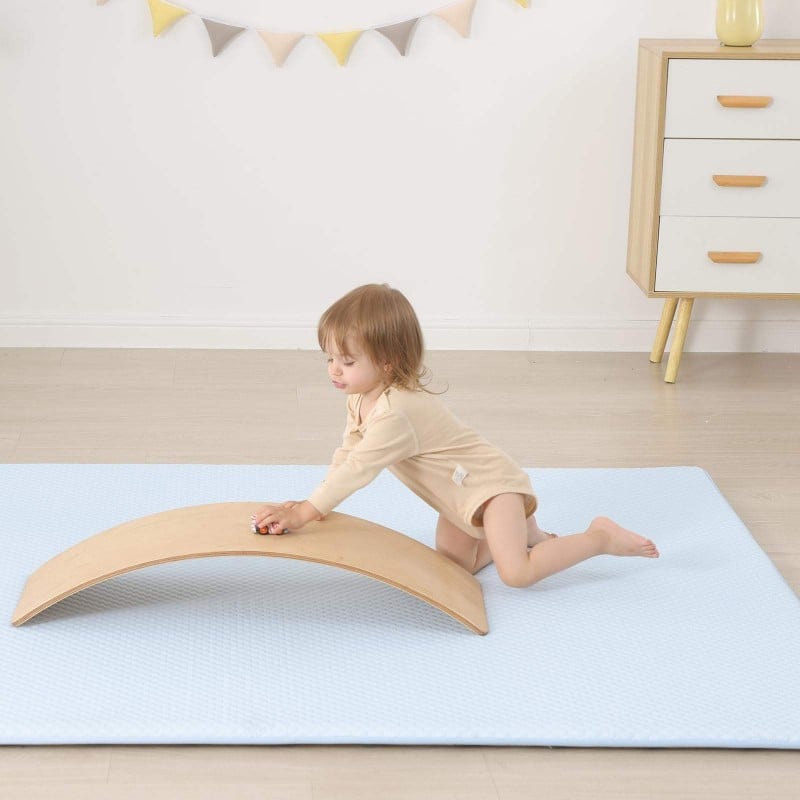
The thickness of a memory foam mat determines how well it absorbs impact, provides cushioning, and maintains structural integrity over time. Thicker mats generally offer superior shock absorbing mat qualities, making them ideal for high-impact activities or sensitive joints. However, thicker materials also increase weight, cost, and storage requirements. Finding the optimal memory foam thickness requires balancing your specific use case, budget, and environmental constraints. This guide walks you through the key considerations that separate the right choice from a costly mistake.
Memory foam thickness ranges from half an inch to four inches or more, with each level serving different purposes. Thinner mats, typically between half an inch and one inch, work well for portable use, yoga, and light cushioning needs. These thinner options are easy to transport, store, and clean, making them popular for gym bags and travel. Mid-range memory foam thickness, usually between one and two inches, provides moderate support and shock absorption without excessive bulk. This thickness sweet spot suits home gyms, meditation spaces, and general exercise applications where balance matters.
A shock absorbing mat with greater thickness delivers superior joint protection during high-impact activities. Thicker memory foam mats absorb more kinetic energy, reducing stress on knees, ankles, hips, and lower back during exercise. For fitness professionals, athletes, and individuals with joint concerns, this shock-absorbing capability justifies the investment in thicker materials. The foam's density and memory foam thickness work together to create a responsive cushion that disperses force evenly across the surface. Without adequate thickness, a shock absorbing mat cannot effectively dampen impact, potentially leading to discomfort or injury during repetitive movements.
Different activities demand different memory foam thickness specifications. Yoga and stretching require minimal cushioning, typically half an inch to three-quarters of an inch, allowing practitioners to maintain balance and connection to the floor. Pilates and light strength training benefit from one to one-and-a-half inches of thickness, providing support without compromising stability. High-intensity cardio, plyometrics, and jump training require at least one-and-a-half to two inches to handle repetitive impact safely. For children's play areas and tummy time, a non-slip memory foam mat with two to three inches of thickness offers ideal protection while maintaining safety through proper grip and support.
While thicker mats provide superior comfort and shock absorption, they introduce practical challenges. Extra thickness increases weight, making movement and storage more difficult for home users. Professional facilities must consider floor space efficiency, as thicker mats consume more vertical room in studios or equipment storage areas. Cost scales directly with thickness and density, so budget constraints often determine the maximum thickness you can reasonably purchase. A non-slip memory foam mat with modest thickness can still provide excellent value if constructed from quality foam with proper density ratings. Evaluating your actual usage patterns, storage space, and budget will clarify which thickness range makes practical sense.
Thickness alone doesn't guarantee durability; foam density and material quality determine how long your memory foam mat will perform reliably. Premium memory foam with high density maintains its shape and cushioning properties through years of use, while low-density foam compresses and degrades rapidly. A non-slip memory foam mat from quality manufacturers resists permanent indentation and maintains its supportive structure even under frequent use. Checking density ratings, typically measured in kilograms per cubic meter, reveals the actual substance and lifespan of the foam. Investing in appropriate memory foam thickness from a reputable source ensures your mat won't flatten prematurely, avoiding the false economy of buying cheap, thin options that require frequent replacement.
Maintaining your memory foam mat extends its lifespan and preserves hygiene, making cleaning habits a practical consideration when selecting thickness. Thinner mats dry faster after foam mat cleaning, an important factor for high-use environments like fitness studios. Thicker mats require more thorough drying time to prevent moisture from penetrating deep into the foam structure. Most foam mat cleaning involves gentle vacuuming, spot-cleaning with mild soap and water, and air drying in a well-ventilated space. A non-slip memory foam mat with protective coatings resists staining and odor absorption, reducing cleaning frequency and effort. Understanding your mat's specific cleaning requirements before purchase prevents maintenance headaches and ensures years of reliable performance.
Before purchasing a memory foam mat, create a clear assessment of your needs. Consider the primary activities you'll perform, the frequency of use, your budget, and available storage space. Test different thickness options if possible, as personal comfort preferences vary significantly. Research material specifications, density ratings, and customer reviews specific to your intended thickness range. A shock absorbing mat at the optimal thickness for your use case delivers significantly better value than a generic choice based solely on price.
Thickness represents only one factor in overall mat performance. Material composition, foam density, surface texture, non-slip properties, and manufacturing standards equally influence satisfaction. A well-designed non-slip memory foam mat with appropriate thickness, quality construction, and proper support characteristics will outperform a thicker but poorly made alternative. Prioritize comprehensive product information, warranty terms, and manufacturer reputation alongside thickness specifications when making your purchase decision. Investing time in thorough research before buying ensures your memory foam mat choice delivers comfort, safety, and durability for years.
For yoga and stretching, a memory foam mat between half an inch and three-quarters of an inch provides adequate cushioning while maintaining floor connection and balance. This thinner range allows you to feel stable ground positioning while your foam mat protects joints from hard surfaces. Anything significantly thicker may compromise balance and proprioceptive feedback during poses.
A shock absorbing mat with greater thickness disperses impact forces more effectively, reducing stress on joints during high-impact activities. However, shock absorption depends on both thickness and foam density; a well-engineered thin mat may outperform a poorly designed thick one. For maximum joint protection during cardio or plyometric training, aim for at least one-and-a-half to two inches of quality memory foam thickness.
Yes, a non-slip memory foam mat with one to one-and-a-half inches of thickness, combined with quality non-slip coatings and proper maintenance, meets professional fitness studio standards. The key is selecting reputable manufacturers whose materials prioritize safety, durability, and consistent performance across high-use environments rather than simply maximizing thickness alone.

2026/11/02
Struggling to choose the right living room rugs? Avoid costly mistakes with expert insights on size, material, durability, style & care. Get your perfect rug.

2026/11/03
Worried about infant falls during crawling? Discover how cushioned baby play mats absorb impact, and support motor development. Get expert safety tips now.

2026/11/04
Struggling with messy spills and tummy time needs? Discover waterproof, sensory, and tummy-time-optimized play mat surface. Compare materials now.

2026/11/05
Can a kids play mat reduce noise? Discover how thickness, foam density & full coverage deliver real acoustic relief. Get the guide.

2026/11/06
Why do kids slip on tile, laminate & polished wood? Discover how premium non-slip play mats anchor securely AND absorb impact. Boost safety.

2026/11/09
Tired of scrubbing stains and battling odors? Discover the 5 key kids play mat features—waterproof surfaces, washable covers, non-slip grip. See what makes maintenance effortless.

