 EN

What Should Buyers Know Before Ordering Living Room Rugs?
2026/11/02
Struggling to choose the right living room rugs? Avoid costly mistakes with expert insights on size, material, durability, style & care. Get your perfect rug.
Selecting the right weighted eye mask for daily use requires understanding your personal sleep preferences and identifying which features will enhance your rest quality. A weighted eye mask combines the benefits of light blocking with gentle pressure across the eyes and surrounding areas, creating a therapeutic effect that many users find promotes deeper, more restorative sleep. Unlike standard sleep masks, a weighted eye mask delivers consistent, gentle compression that can help reduce eye movement and encourage the parasympathetic nervous system to activate, signaling your body that it is time to rest.
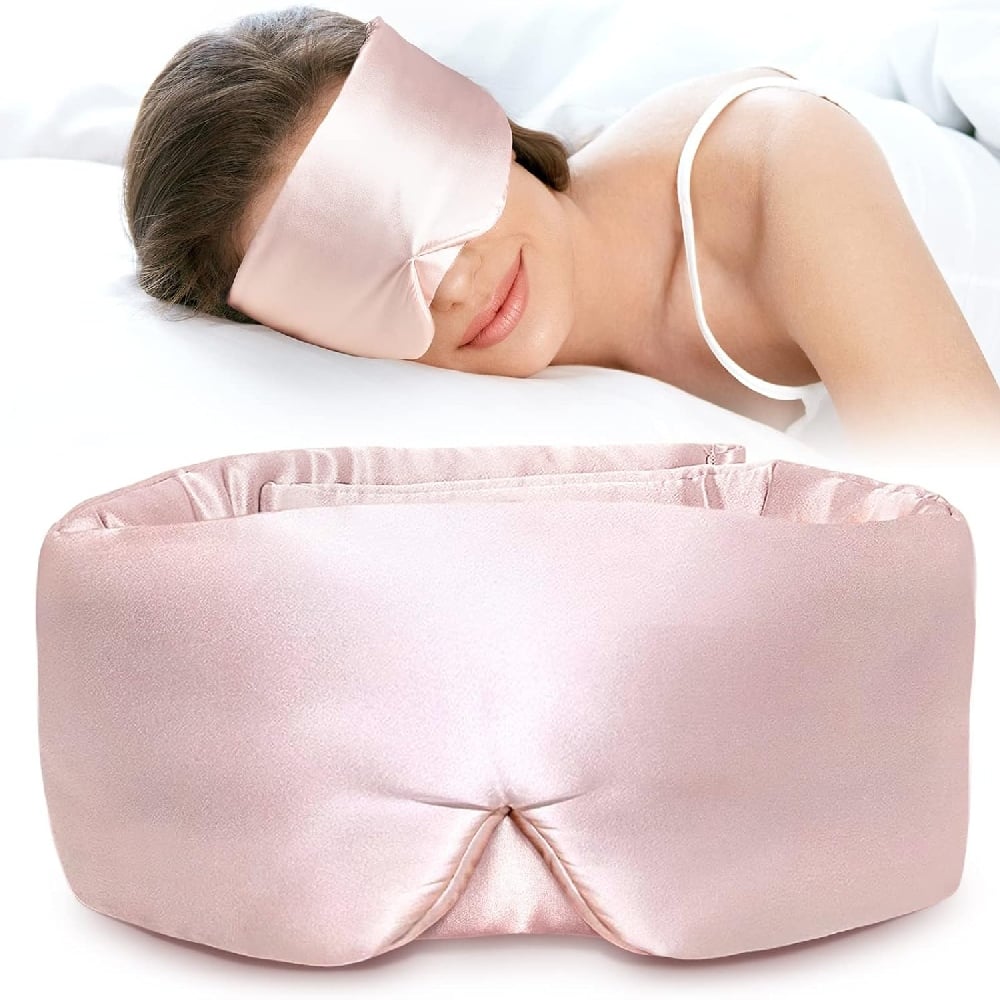
Before committing to a purchase, you should evaluate several critical factors that distinguish quality weighted eye masks from generic alternatives. The right choice depends on your sleep position, skin sensitivity, weight preference, material composition, and daily usage patterns. This guide walks you through the essential selection criteria so you can make an informed decision that aligns with your specific sleep needs and lifestyle requirements.
The weight of your weighted eye mask directly influences how effectively it promotes relaxation and sleep quality. Most quality weighted eye masks range from 0.5 to 1.5 ounces, with variations designed to suit different comfort preferences and facial structures. Lighter options around 0.5 to 0.75 ounces work well for individuals who prefer subtle pressure or have sensitive facial skin, while heavier versions between 1 to 1.5 ounces provide more pronounced therapeutic compression for those who enjoy deeper pressure sensation.
Your ideal weight depends on personal tolerance and the intended effect. Some users choose a weighted eye mask specifically for its grounding effect during stressful periods, while others prioritize light blocking with minimal pressure. Starting with a lighter weighted eye mask and gradually increasing weight as you acclimate is a smart approach if you are new to weighted sleep products. Consider testing different weights at retail locations or purchasing from sellers with generous return policies to ensure you find your personal sweet spot.
The material inside your weighted eye mask determines durability, comfort, and performance. Premium weighted eye masks typically use either glass microbeads or natural materials like millet seeds and lavender. Glass microbeads offer superior consistency, maintain their shape over time, and distribute weight evenly across the eye area without shifting. They are also hypoallergenic, making them ideal for sensitive skin and long-term daily use.
Natural fill materials like millet or flax seeds provide an eco-friendly alternative and often come infused with aromatherapy herbs. However, these materials may compress over time and require occasional fluffing to maintain even weight distribution. If you plan to use your weighted eye mask daily, glass bead fill typically offers better longevity and consistent performance. Evaluate the stitching quality and compartmentalization of the fill material to ensure the weighted eye mask maintains its shape and weight distribution after months of regular use.
The outer fabric of your weighted eye mask directly affects skin comfort and breathability, especially for daily use on sensitive facial skin. Quality weighted eye masks use soft, hypoallergenic materials such as pure silk, bamboo viscose, or high-grade cotton that minimize skin irritation and allow moisture to escape. Silk provides the smoothest surface and naturally regulates temperature, making it excellent for users with dry or sensitive skin. Bamboo viscose offers moisture-wicking properties that prevent heat buildup, ideal if you sleep in warmer climates or experience night sweats.
Avoid weighted eye masks made from synthetic polyester or low-quality blends that can trap heat and irritate skin during prolonged wear. The fabric should feel soft against bare skin and allow air circulation around the eyes and forehead. If you have specific skin conditions like acne or rosacea, prioritize a weighted eye mask with a smooth, hypoallergenic outer layer that will not aggravate existing sensitivity. Testing the fabric texture before purchase is crucial for ensuring your weighted eye mask remains comfortable throughout the night.
A well-fitting weighted eye mask should sit comfortably across your eyes without excessive pressure on the eyeballs themselves and without sliding during sleep. Quality designs include adjustable straps or elastic bands that allow you to customize tension and secure the mask in place without cutting off circulation or causing discomfort. Ensure the weighted eye mask covers the eye area completely while leaving some coverage across the upper cheekbone and forehead for optimal light blocking and therapeutic pressure distribution.
The strap attachment points matter significantly; they should distribute pressure evenly across the back of your head rather than concentrating it on a single point. If you change sleep positions frequently, choose a weighted eye mask with flexible straps that accommodate movement without dislodging. Test the fit by wearing it in various positions before committing to daily use, particularly if you tend to sleep on your side or move considerably during the night. An adjustable weighted eye mask provides flexibility as your comfort preferences evolve.
If you travel frequently for work or leisure, consider whether your weighted eye mask is portable and practical for life outside your bedroom. Compact, lightweight weighted eye masks pack easily into carry-on luggage or work bags, making them suitable for use during flights, naps at the office, or stays in unfamiliar hotels. Some designs fold compactly while others remain slim enough to fit in most travel kits. Evaluate the packaging and storage options to ensure your weighted eye mask remains in excellent condition despite frequent movement and varied environments.
For those using a weighted eye mask exclusively at home, portability matters less than durability and long-term comfort. However, even home users benefit from a weighted eye mask that can be easily stored in a nightstand drawer or on a bedside table without taking excessive space. Consider how easy it is to reach your weighted eye mask before bed, as accessibility influences consistency of use and the cumulative benefits you will experience over time.
Understanding the maintenance requirements of your weighted eye mask ensures it remains hygienic and performs well throughout its lifespan. Most quality weighted eye masks feature removable, machine-washable outer covers that can be cleaned weekly to remove sweat, oils, and bacteria that accumulate during sleep. Check whether the weighted eye mask construction allows for easy removal of the cover without damaging seams or stitching, as this simplifies maintenance and extends product life.
The inner fill material should never be washed directly, as moisture can damage glass beads or cause natural materials to mold or decompose. A quality weighted eye mask design separates the fill material from the washable outer layer, allowing you to maintain cleanliness without compromising the product. Before purchasing, verify whether replacement covers are available in case the original outer fabric becomes worn or damaged after extended use. Regular maintenance preserves both comfort and the therapeutic effectiveness of your weighted eye mask investment.
Yes, you can wear a weighted eye mask with sensitive eyes or while wearing contact lenses, but you should take extra precautions. Choose a weighted eye mask with a soft, hypoallergenic inner lining that does not directly touch the eye surface, and ensure the pressure is gentle and distributed across the eye area rather than pressing directly on the eyeballs. Remove your contact lenses before using the weighted eye mask to avoid irritation or lens displacement. If you experience any discomfort, consult an eye care professional to confirm the weighted eye mask is appropriate for your specific eye condition.
Most users benefit from wearing a weighted eye mask for the entire night, typically 7 to 8 hours, as this allows your body to adjust to the gentle pressure and experience the full therapeutic effects. However, you can start with shorter durations of 30 minutes to 1 hour during initial adjustment periods, gradually extending the time as your body becomes accustomed to the sensation. Some people use a weighted eye mask primarily during high-stress periods or when experiencing sleep disruption, while others incorporate it into their nightly routine year-round for consistent sleep support.
A standard sleep mask primarily blocks light to create darkness and support circadian rhythm alignment, relying on a simple fabric structure with minimal additional features. A weighted eye mask combines light blocking with gentle compression across the eye area, delivering therapeutic pressure that activates relaxation responses in the nervous system. The added weight in a weighted eye mask makes it particularly effective for reducing eye movement, promoting deeper sleep, and providing grounding sensations that support emotional regulation and stress reduction beyond what a standard mask can achieve.

2026/11/02
Struggling to choose the right living room rugs? Avoid costly mistakes with expert insights on size, material, durability, style & care. Get your perfect rug.

2026/11/03
Worried about infant falls during crawling? Discover how cushioned baby play mats absorb impact, and support motor development. Get expert safety tips now.

2026/11/04
Struggling with messy spills and tummy time needs? Discover waterproof, sensory, and tummy-time-optimized play mat surface. Compare materials now.

2026/11/05
Can a kids play mat reduce noise? Discover how thickness, foam density & full coverage deliver real acoustic relief. Get the guide.

2026/11/06
Why do kids slip on tile, laminate & polished wood? Discover how premium non-slip play mats anchor securely AND absorb impact. Boost safety.

2026/11/09
Tired of scrubbing stains and battling odors? Discover the 5 key kids play mat features—waterproof surfaces, washable covers, non-slip grip. See what makes maintenance effortless.

