 EN

What Should Buyers Know Before Ordering Living Room Rugs?
2026/11/02
Struggling to choose the right living room rugs? Avoid costly mistakes with expert insights on size, material, durability, style & care. Get your perfect rug.
Choosing the right weighted blanket requires understanding your specific needs, body weight, and sleep preferences. A weighted blanket offers therapeutic benefits through deep pressure stimulation, but selecting the ideal option depends on multiple factors that go beyond simply picking the heaviest model available. Whether you're shopping for yourself, a child, or someone with sensory sensitivities, matching the right weighted blanket to the user ensures maximum comfort and effectiveness.
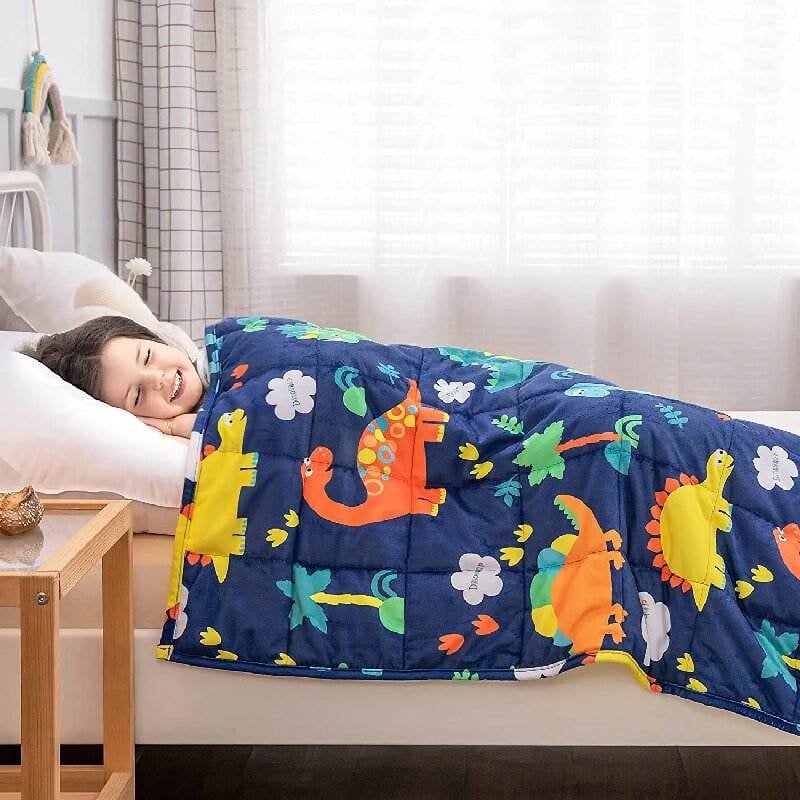
Understanding how to evaluate a weighted blanket properly will help you make an informed decision. The selection process involves examining weight ratios, fabric composition, size dimensions, and special features that address individual sleep challenges. This guide walks you through the key decision points to find a weighted blanket that truly fits your lifestyle and sleep quality goals.
The golden rule for a weighted blanket is selecting one that weighs approximately 10 percent of your body weight. This ratio ensures the deep pressure stimulation works effectively without feeling restricting or uncomfortable. For a person weighing 150 pounds, a 15-pound weighted blanket represents an appropriate choice. If you're significantly heavier or lighter, adjust proportionally—a 200-pound individual would benefit from a 20-pound weighted blanket.
However, personal preference plays an important role in the final decision. Some users prefer slightly heavier weighted blankets for more intense pressure, while others find lighter options more comfortable for all-night use. When choosing a weighted blanket, start with the 10 percent guideline, then consider whether you want to adjust up or down based on your sensory preferences and comfort threshold. Testing different weights before purchasing helps avoid costly mistakes.
Children require different weighted blanket calculations than adults. The recommended range for kids is typically 10 percent of body weight plus one pound, though some manufacturers suggest consulting pediatricians for very young children. A child weighing 60 pounds would benefit from a weighted blanket around 7 pounds. Safety experts recommend that children under four years old avoid weighted blankets entirely due to suffocation risks and developmental considerations.
When selecting a weighted blanket for teenagers or older children, follow similar adult guidelines while factoring in their comfort level. Younger users may need lighter options to prevent night sweats or overheating, making fabric choice equally important as weight. Always verify that the weighted blanket model is specifically designed and tested for pediatric use before purchasing.
The fabric composition of your weighted blanket dramatically affects comfort and usability year-round. Cotton weighted blankets offer breathability and durability, making them excellent choices for warm climates or hot sleepers. Minky fabrics provide soft tactile experiences and work well for individuals seeking sensory comfort, though they may retain heat. Bamboo-derived materials deliver moisture-wicking properties ideal for regulating body temperature throughout the night.
Your climate and personal sleeping temperature significantly influence which material suits your weighted blanket preference. Individuals in humid regions benefit from cotton or bamboo options that prevent excessive sweating. Those in cooler climates can enjoy plush minky or fleece without overheating concerns. Consider your seasonal needs when choosing between summer-friendly and year-round weighted blanket options to ensure consistent comfort.
Some users with autism spectrum disorders, anxiety, or ADHD find that specific fabric textures enhance the therapeutic benefits of a weighted blanket. Minky dots provide gentle tactile stimulation without overwhelming the senses, making this style popular for sensory-sensitive individuals. Smooth cotton offers a classic feel, while textured fleece appeals to those preferring different tactile experiences. Understanding your sensory profile helps guide you toward the ideal weighted blanket design.
When selecting a weighted blanket for sensory needs, consider trial periods that allow testing before full commitment. Some retailers offer samples or return policies that give users time to adjust to different fabrics and textures. Consulting with occupational therapists can provide personalized recommendations for weighted blanket materials that align with specific sensory processing requirements.
Weighted blanket sizing should align with your mattress dimensions to maximize therapeutic benefits. Twin-size weighted blankets suit single sleepers and work well for children's beds. Queen-size options accommodate couples or larger single beds effectively. King-size weighted blankets cover expansive sleeping surfaces but may become unwieldy for some users due to increased total weight and bulk when the appropriate weighted blanket matches the bed size.
The coverage area affects how evenly the weighted blanket distributes pressure across your body. An undersized weighted blanket won't provide full therapeutic contact, while an oversized option may hang awkwardly or feel unbalanced. Measure your mattress before purchasing and choose a weighted blanket size that extends slightly beyond the bed edges for optimal comfort and aesthetic appeal.
Some individuals prefer using a weighted blanket over their entire body, while others favor partial coverage for flexibility during sleep transitions. A full-size weighted blanket offers complete coverage but requires more material and higher weight. Throw-style weighted blankets provide alternative options for people who want coverage over legs or upper body only. Choosing a weighted blanket style depends on your movement patterns and preferred sleeping positions throughout the night.
Consider whether you sleep alone or share a bed when selecting your weighted blanket. Partners may benefit from separate weighted blankets rather than sharing one, allowing each person to enjoy customized weight and coverage. Dual-blanket arrangements prevent disruption from different weighted blanket preferences and ensure both sleepers experience optimal therapeutic benefits.
Yes, you can use a weighted blanket year-round if you select the appropriate fabric. Breathable materials like cotton and bamboo work well in warm seasons, while plush fabrics suit cooler months. Some users rotate between lightweight summer weighted blankets and heavier winter options to maintain comfort. Always choose a weighted blanket fabric that matches your climate and personal temperature regulation needs.
If your body weight falls between standard weighted blanket sizes, choose the heavier option rather than the lighter one. A slightly heavier weighted blanket provides more noticeable deep pressure stimulation, which many users find more therapeutic. You can always adjust usage—try the weighted blanket for part of the night initially. Start by using your weighted blanket over just your legs to acclimate to the additional weight before covering your entire body.
Individuals with sleep apnea, respiratory conditions, or circulation issues should consult healthcare providers before using a weighted blanket. The pressure from a weighted blanket may worsen symptoms in some cases. Pregnant women and people recovering from surgery should also seek medical guidance. Once cleared by your doctor, a weighted blanket can become an excellent therapeutic tool for improving sleep quality and managing stress-related symptoms.

2026/11/02
Struggling to choose the right living room rugs? Avoid costly mistakes with expert insights on size, material, durability, style & care. Get your perfect rug.

2026/11/03
Worried about infant falls during crawling? Discover how cushioned baby play mats absorb impact, and support motor development. Get expert safety tips now.

2026/11/04
Struggling with messy spills and tummy time needs? Discover waterproof, sensory, and tummy-time-optimized play mat surface. Compare materials now.

2026/11/05
Can a kids play mat reduce noise? Discover how thickness, foam density & full coverage deliver real acoustic relief. Get the guide.

2026/11/06
Why do kids slip on tile, laminate & polished wood? Discover how premium non-slip play mats anchor securely AND absorb impact. Boost safety.

2026/11/09
Tired of scrubbing stains and battling odors? Discover the 5 key kids play mat features—waterproof surfaces, washable covers, non-slip grip. See what makes maintenance effortless.

