 EN

What Should Buyers Know Before Ordering Living Room Rugs?
2026/11/02
Struggling to choose the right living room rugs? Avoid costly mistakes with expert insights on size, material, durability, style & care. Get your perfect rug.
Choosing the right memory foam mat for your specific space requires understanding how different factors influence performance, comfort, and durability. Whether you're outfitting a home gym, children's play area, kitchen, or office workspace, selecting the appropriate memory foam mat goes beyond simply picking the largest or cheapest option available. The wrong choice can lead to inadequate cushioning, premature wear, or wasted investment. This guide walks you through the essential considerations that ensure your memory foam mat matches your space's unique demands and usage patterns.
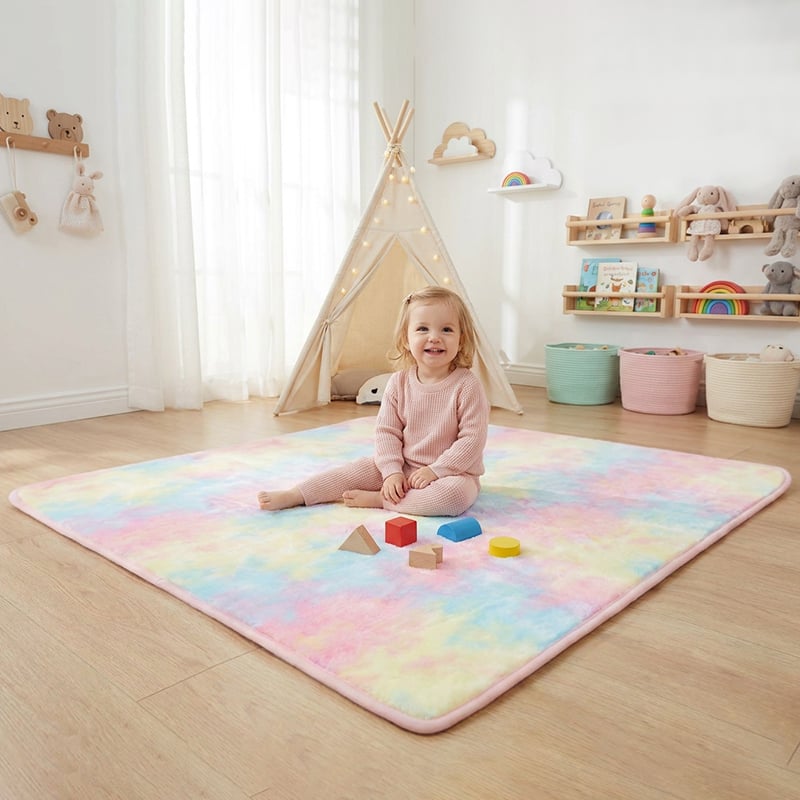
A quality memory foam mat delivers comfort and support tailored to its intended application. Understanding the core characteristics that define performance helps you evaluate options systematically. Factors like density, thickness, size, and intended use converge to determine whether a particular memory foam mat will meet your expectations and provide lasting value in your chosen space.
The first step in selecting a memory foam mat involves precise measurement of your space. For home gyms or exercise areas, consider traffic flow, equipment placement, and the activities you plan to perform. A memory foam mat for yoga or Pilates needs different dimensions than one for a playroom or standing kitchen station. Measure length and width, accounting for edges and safety clearance. Document these dimensions before shopping, as ordering an undersized memory foam mat results in inadequate coverage, while oversized mats waste space and material.
High-traffic spaces require larger coverage areas. A children's play zone typically benefits from a memory foam mat that extends across the primary activity zone, protecting against impacts during active play. Kitchen standing mats need sufficient length to accommodate your stance at countertops or appliances. Office areas require a memory foam mat proportioned to fit under or near your workstation without creating a tripping hazard. Evaluate how people will move through the space and position your mat accordingly to maximize both functionality and safety.
Density directly affects how a memory foam mat performs under load and over time. Higher-density memory foam mats provide superior support and longevity, resisting compression and maintaining shape through repeated use. Lower-density options cost less but may degrade faster in high-traffic environments. For commercial or industrial spaces, a memory foam mat with higher density justifies the investment through extended lifespan. Residential applications may balance cost and durability differently depending on household size and usage intensity. Check product specifications to understand density ratings before committing to purchase.
Thickness determines comfort level and impact absorption capabilities. A thicker memory foam mat typically offers greater cushioning but occupies more floor space and may affect accessibility in low-clearance environments. Home gyms often benefit from thicker mats, typically 0.5 to 1 inch, to absorb impact during exercises. Children's play areas require adequate thickness for fall protection, generally 0.75 to 1.5 inches. Kitchen or office standing mats may use thinner profiles, around 0.25 to 0.5 inches, prioritizing fatigue reduction over dramatic height. Match thickness to your specific space constraints and primary use case rather than assuming thicker always means better for your particular application.
The top surface of your memory foam mat determines its practical usability in different spaces. Durable, washable surfaces work best in kitchens, bathrooms, and children's areas where spills and messes occur regularly. A memory foam mat intended for high-moisture environments should feature water-resistant or antimicrobial treatments. Smooth surfaces facilitate easy cleaning, while textured options enhance grip for exercise applications. Evaluate whether your space's conditions demand special surface treatments, such as anti-slip properties for bathrooms or easy-clean finishes for commercial kitchens.
The base or backing of a memory foam mat significantly influences its stability and lifespan. Non-slip bases prevent shifting during use, critical for exercise areas and kitchen workstations. Some mats feature reinforced edges to resist curling and premature wear. Heavy-duty backing materials ensure your memory foam mat remains flat and functional through years of use. In high-traffic commercial spaces, investing in quality backing construction prevents the mat from becoming a safety hazard as edges deteriorate. Inspect construction details to ensure your selected mat will withstand your space's specific demands without requiring frequent replacement or repositioning.
Home gyms require a memory foam mat that absorbs impact, protects flooring, and supports exercise equipment. High-density memory foam mats with thicknesses of 0.75 to 1 inch provide ideal cushioning for weight training, cardio, and stretching routines. The mat should feature non-slip surfaces to prevent slipping during dynamic movements. If your home gym includes equipment with wheels or legs, ensure the memory foam mat base resists indentation and maintains integrity under concentrated weight. Durable construction ensures your investment serves your fitness goals over extended periods without degrading.
Play environments demand a memory foam mat that prioritizes safety and impact absorption during falls. Thicker mats, generally 1 to 1.5 inches, cushion impacts effectively while remaining stable underfoot. A memory foam mat in play areas should feature bright, engaging colors and washable surfaces since children's activities generate spills and stains. Non-toxic materials and antimicrobial treatments protect child health during extended contact. The mat's construction should prevent tripping hazards while its durability withstands active play patterns that rival commercial-use environments in intensity.
Professional and domestic standing workstations benefit from a memory foam mat designed specifically for fatigue reduction during prolonged standing. Thinner profiles, around 0.25 to 0.5 inches, work well in spaces with height constraints and doorway transitions. Anti-fatigue properties matter more than dramatic thickness in these applications. A memory foam mat for commercial kitchens needs aggressive water resistance and quick-drying capability. Office standing stations require a memory foam mat that anchors securely without creating a safety hazard. These specialized applications demand careful matching between product specifications and your actual usage environment.
Thickness depends on your space and activity type. Home gym and play areas typically benefit from 0.75 to 1.5 inch thickness for impact absorption. Kitchen and office standing stations work well with 0.25 to 0.5 inch profiles. Thicker memory foam mats offer more cushioning but occupy more vertical space, so balance comfort against your environmental constraints. Consider both the primary activity and any clearance limitations before selecting thickness.
Quality indicators include density rating, material composition, and construction details. Higher-density memory foam mats resist compression and last longer than lower-density alternatives. Examine the surface material for durability and washability, and check the backing for non-slip properties and edge reinforcement. Read product specifications and user feedback to understand real-world performance. A memory foam mat from a reputable manufacturer typically includes detailed specifications, warranty information, and transparent quality standards.
Possibly, but not optimally. A versatile memory foam mat balances multiple requirements, but specialized mats perform better in their intended applications. An exercise memory foam mat may not provide adequate water resistance for kitchens, while a thin standing mat lacks cushioning for high-impact activities. Consider your primary use case and environmental demands first. If you need mats for multiple distinct spaces, investing in purpose-designed options delivers better performance and longevity than forcing a compromise solution across different environments.

2026/11/02
Struggling to choose the right living room rugs? Avoid costly mistakes with expert insights on size, material, durability, style & care. Get your perfect rug.

2026/11/03
Worried about infant falls during crawling? Discover how cushioned baby play mats absorb impact, and support motor development. Get expert safety tips now.

2026/11/04
Struggling with messy spills and tummy time needs? Discover waterproof, sensory, and tummy-time-optimized play mat surface. Compare materials now.

2026/11/05
Can a kids play mat reduce noise? Discover how thickness, foam density & full coverage deliver real acoustic relief. Get the guide.

2026/11/06
Why do kids slip on tile, laminate & polished wood? Discover how premium non-slip play mats anchor securely AND absorb impact. Boost safety.

2026/11/09
Tired of scrubbing stains and battling odors? Discover the 5 key kids play mat features—waterproof surfaces, washable covers, non-slip grip. See what makes maintenance effortless.

