 EN

What Should Buyers Know Before Ordering Living Room Rugs?
2026/11/02
Struggling to choose the right living room rugs? Avoid costly mistakes with expert insights on size, material, durability, style & care. Get your perfect rug.
Choosing the right foam play mat is one of the most important decisions you'll make when designing an indoor play area. Whether you're setting up a nursery, daycare, gym, or home play space, the quality and specifications of your foam play mat directly impact child safety, comfort, and developmental benefits. A poorly selected foam play mat can lead to inadequate cushioning, durability issues, and safety concerns, while the right choice provides lasting protection and support.
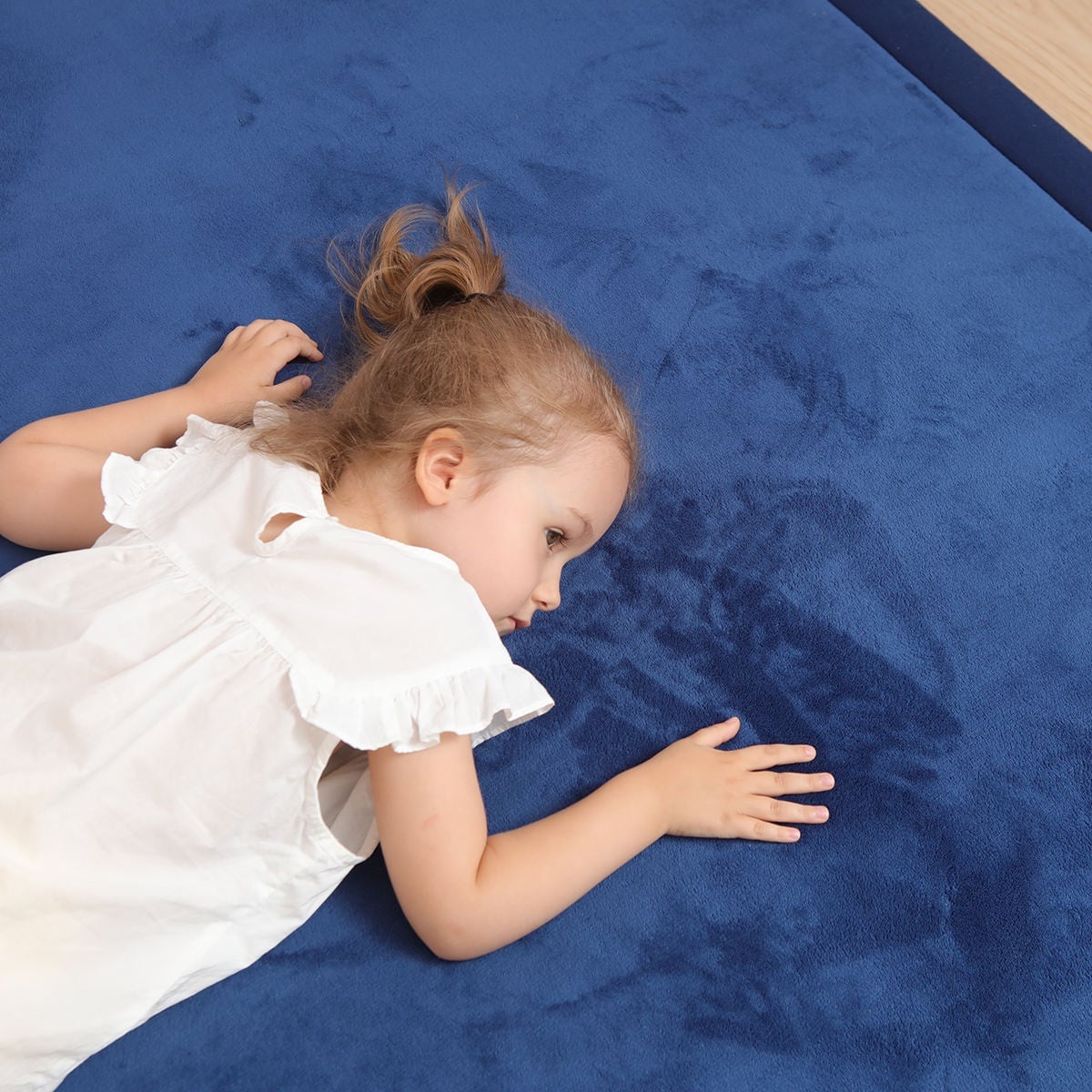
Selecting a foam play mat requires understanding multiple factors beyond simple appearance or cost. Material composition, density, thickness, non-slip properties, ease of maintenance, and certified safety certifications all contribute to an effective play surface. This guide walks you through the essential criteria to evaluate when selecting a foam play mat, ensuring your indoor play area meets both safety standards and user comfort requirements.
The foundation of any quality foam play mat lies in its material composition. Premium foam play mat options typically use closed-cell foam, which resists moisture absorption better than open-cell alternatives. Closed-cell construction prevents mildew growth and extends the lifespan of your foam play mat significantly. When evaluating foam play mat materials, verify that the product meets recognized safety standards such as ASTM F1292 impact attenuation testing and CPSIA compliance for children's products.
Non-toxic materials are essential when selecting a foam play mat for spaces where children spend extended periods. Look for foam play mat products that are free from harmful chemicals, phthalates, and lead-based inks. Many manufacturers now offer hypoallergenic foam play mat options with skin-friendly covers like coral velvet or soft microfiber, which provide comfort while minimizing allergic reactions and irritation.
Foam density directly influences how well your foam play mat supports children during active play. Higher density foam play mat materials offer better durability and maintain their shape longer under repeated use. A foam play mat with appropriate density prevents excessive sinking, which can cause neck strain or inadequate shock absorption during falls. For indoor play areas accommodating toddlers and young children, select a foam play mat with sufficient firmness to support their developmental movements without being uncomfortably hard.
Thickness is a critical measurement when choosing a foam play mat for your space. Thicker foam play mat options, typically ranging from 1 to 2 inches, provide superior shock absorption and impact protection. For areas where children engage in jumping, falling, or vigorous physical activity, a thicker foam play mat becomes essential for injury prevention. However, thickness must balance with portability and storage needs for home-based foam play mat setups.
The appropriate foam play mat thickness depends on the floor surface underneath. If installing your foam play mat over concrete or hard flooring, choose a thicker option to compensate for the unforgiving base. When placing a foam play mat over carpeted floors, slightly thinner options may suffice since the carpet provides additional cushioning beneath the foam play mat surface.
Shock absorption capability directly correlates with injury prevention in indoor play areas. A quality foam play mat must dissipate impact energy effectively when children fall or jump. Testing standards like ASTM F1292 measure a foam play mat's ability to reduce impact forces to acceptable levels. When selecting a foam play mat, request impact test data from manufacturers to confirm the product meets safety thresholds for your specific use case and age group.
The surface covering of your foam play mat significantly affects maintenance requirements and longevity. Premium foam play mat products feature waterproof or water-resistant covers that prevent liquids from penetrating the foam underneath. Sealed edges on a foam play mat prevent moisture from entering at seams and joints. When evaluating foam play mat options, choose covers that withstand frequent cleaning with mild soap and water without degrading.
Anti-slip surfaces are essential when selecting a foam play mat for active play environments. A foam play mat with proper grip prevents children from sliding during movement and reduces the risk of slips and falls. Look for textured surfaces or non-slip coatings on your foam play mat that remain effective even after repeated cleaning and use.
Foam play mat tiles with interlocking edges offer flexibility for custom configurations while maintaining safety coverage. These modular foam play mat options allow you to expand or reconfigure your play surface as needs change. When selecting interlocking foam play mat tiles, verify that edges lock securely without gaps that could create tripping hazards or allow moisture to seep between tiles.
Beveled or rounded edges on a foam play mat reduce the risk of tripping and create a safer transition between the play surface and surrounding floor. Inspect the quality of edge finishing when comparing foam play mat products, as poorly finished edges deteriorate quickly and can become hazardous over time.
For toddlers, a foam play mat between 1 and 1.5 inches thick provides optimal balance between protection and stability. This thickness offers adequate shock absorption for falls while maintaining a firm enough surface for toddlers to develop balance and coordination. Thinner foam play mat options may not provide sufficient protection, while excessively thick options can make standing and walking movements challenging for developing balance.
Look for foam play mat products with certifications from recognized testing organizations such as GREENGUARD Gold, Oeko-Tex, or CPSIA compliance documentation. Reputable manufacturers of foam play mat products provide material safety data sheets and third-party testing results. Request specific information about foam composition, adhesives used, and cover materials when selecting a foam play mat to ensure all components meet safety standards.
While designed for indoor play areas, some foam play mat products feature weather-resistant covers suitable for covered outdoor spaces. Extended outdoor exposure degrades most foam play mat materials due to UV rays and moisture exposure. If you need outdoor protection, select a foam play mat specifically manufactured for outdoor conditions, or limit your foam play mat use to protected areas like covered patios or enclosed porches.

2026/11/02
Struggling to choose the right living room rugs? Avoid costly mistakes with expert insights on size, material, durability, style & care. Get your perfect rug.

2026/11/03
Worried about infant falls during crawling? Discover how cushioned baby play mats absorb impact, and support motor development. Get expert safety tips now.

2026/11/04
Struggling with messy spills and tummy time needs? Discover waterproof, sensory, and tummy-time-optimized play mat surface. Compare materials now.

2026/11/05
Can a kids play mat reduce noise? Discover how thickness, foam density & full coverage deliver real acoustic relief. Get the guide.

2026/11/06
Why do kids slip on tile, laminate & polished wood? Discover how premium non-slip play mats anchor securely AND absorb impact. Boost safety.

2026/11/09
Tired of scrubbing stains and battling odors? Discover the 5 key kids play mat features—waterproof surfaces, washable covers, non-slip grip. See what makes maintenance effortless.

