 EN

What Should Buyers Know Before Ordering Living Room Rugs?
2026/11/02
Struggling to choose the right living room rugs? Avoid costly mistakes with expert insights on size, material, durability, style & care. Get your perfect rug.
Choosing the correct anxiety blanket weight is one of the most critical decisions when selecting a therapeutic blanket for sleep, relaxation, or sensory regulation. Unlike standard bedding, weighted blankets work by applying gentle, consistent pressure across the body, a principle known as deep pressure stimulation. This pressure activates the nervous system's calming response, reducing cortisol levels and promoting better rest. However, the effectiveness of any weighted blanket depends heavily on selecting a weight that matches the user's body weight, age, and sensitivity profile. Too light, and the blanket provides insufficient pressure to trigger the therapeutic benefits. Too heavy, and the user may feel uncomfortable, restricted, or experience poor sleep quality.
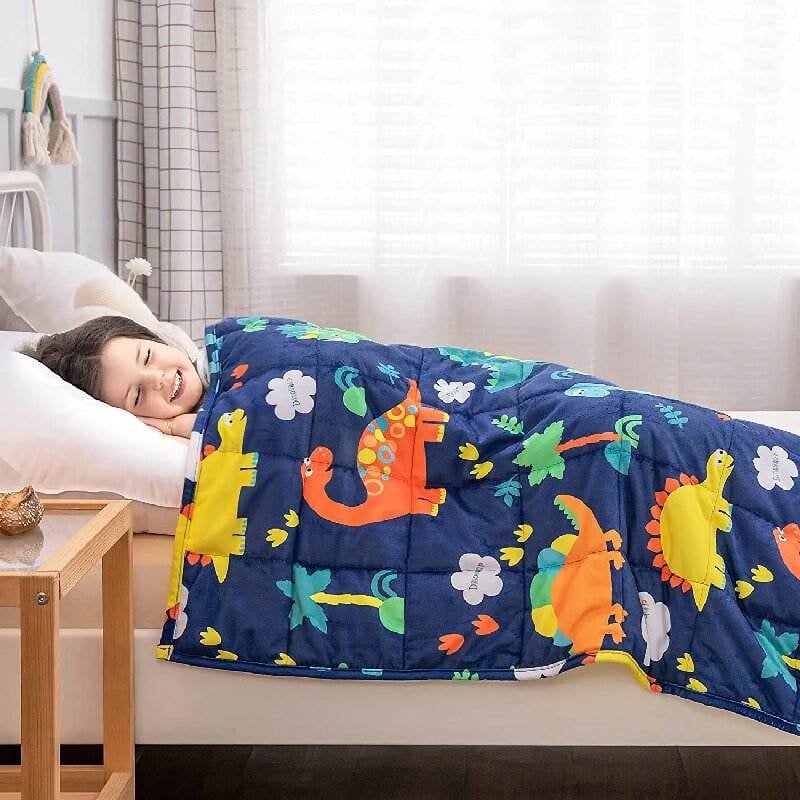
Understanding the science behind anxiety blanket weight recommendations helps users and caregivers make informed choices. Weighted blankets are used across multiple populations, from children managing sensory processing disorders to adults dealing with anxiety, insomnia, and stress. Each demographic has distinct physiological needs, comfort thresholds, and safety considerations. This guide explores the factors that influence anxiety blanket weight selection, helping you identify the ideal weighted blanket for your unique situation and lifestyle.
Deep pressure stimulation, the mechanism behind weighted blankets, mimics the calming effect of a therapeutic hug or embrace. When an anxiety blanket weight is distributed evenly across the body, it increases serotonin and melatonin production while decreasing cortisol, the primary stress hormone. Research in occupational therapy shows that this sensory input activates the parasympathetic nervous system, the body's natural relaxation response. For individuals with anxiety, autism, ADHD, or trauma-related disorders, this pressure provides immediate neurological relief. The effectiveness of anxiety blanket weight depends on achieving an optimal pressure point, typically between 5 and 12 percent of total body weight, though individual tolerance varies significantly.
The physical sensation of an anxiety blanket weight is different from simply sleeping under multiple heavy blankets. Weighted blankets use glass beads or plastic pellets sewn into quilted compartments to ensure even weight distribution rather than clustering. This uniform pressure prevents pressure points, discomfort, or that crushing sensation some users report with standard heavy blankets. The material composition, including outer fabric softness, breathability, and temperature regulation, also affects how users experience the anxiety blanket weight throughout the night. A blanket that feels heavy but doesn't distribute pressure evenly may cause neck, shoulder, or joint strain rather than providing therapeutic comfort.
For children, anxiety blanket weight recommendations start lower than adult guidelines due to their smaller body mass and developing musculature. Most pediatric occupational therapists recommend a weighted blanket equivalent to approximately 10 percent of the child's body weight. For a child weighing 40 pounds, an appropriate anxiety blanket weight would be around 4 to 5 pounds. Children aged 3 to 5 typically respond well to blankets between 2 and 5 pounds, while children aged 6 to 12 often benefit from weights ranging from 5 to 10 pounds. Safety is paramount—the anxiety blanket weight should never cause the child to feel trapped, and the blanket should be removed before napping in a crib or car seat. Adolescents aged 12 and above can usually transition to adult-weight recommendations as they approach adult body weight.
Adult anxiety blanket weight selection follows the general guideline of 5 to 12 percent of body weight, with most users finding optimal results between 7 and 10 percent. An adult weighing 150 pounds would typically use a weighted blanket between 10 and 18 pounds, with 12 to 15 pounds being the most common range. For adults, the anxiety blanket weight choice also depends on personal sensitivity, sleep position, and any underlying health conditions. Side sleepers often prefer slightly heavier blankets because the weight disperses more naturally when the body shifts position. Adults with chronic pain, fibromyalgia, or heightened sensory sensitivity may prefer weights on the lower end of the spectrum, while those seeking maximum therapeutic benefit often choose blankets in the mid to upper range of their recommended weight.
Individuals diagnosed with generalized anxiety disorder, panic disorder, or trauma-related conditions often benefit significantly from weighted blanket therapy. For these users, anxiety blanket weight in the mid-to-upper range of recommendations tends to provide stronger therapeutic effect because the increased pressure more effectively triggers parasympathetic nervous system activation. Adults with clinical anxiety typically find relief with anxiety blanket weights between 12 and 20 pounds, depending on body weight. The consistent pressure throughout the night helps reduce nighttime anxiety spikes, racing thoughts, and physical tension associated with anxiety disorders. Many anxiety sufferers report that the anxiety blanket weight creates a grounding sensation, reducing the sense of panic or overwhelm common during anxiety episodes or insomnia caused by racing thoughts.
Beyond mathematical calculations, successful anxiety blanket weight selection requires honest assessment of personal comfort preferences and sensory thresholds. Test anxiety blanket weight options in-store or through trial-period retailers whenever possible, as individual responses vary significantly. Notice whether anxiety blanket weight feels comforting or restrictive, whether you sleep better or feel more restless, and whether you wake feeling refreshed or fatigued. Pay attention to temperature regulation—some users find that anxiety blanket weight combined with certain fabrics creates warmth that disrupts sleep, while others feel that the weight actually improves sleep quality by reducing nighttime movement and restlessness. Consider your sleep environment: if you use multiple blankets, air conditioning, or sleep with a partner, the effective anxiety blanket weight may feel different than anticipated.
When introducing weighted blanket therapy, gradual transition to your target anxiety blanket weight often produces better results than jumping to maximum recommended weight. Beginning with a lighter-weight blanket and progressing over several weeks allows your body to acclimate to the deep pressure stimulation. This staged approach also helps identify your personal optimal anxiety blanket weight range without overwhelming your system. Many users report that a two-week adjustment period is typical—initial novelty wears off, and genuine therapeutic effects become apparent. If you experience sleep disruption, discomfort, or anxiety during the first week, these symptoms often resolve by week two. If not, reducing anxiety blanket weight or trying a different material may help achieve comfort while maintaining therapeutic benefit.
If your body weight suggests an anxiety blanket weight between two standard options—for example, you weigh 130 pounds and standard ranges suggest either 10 or 15 pounds—choose based on your personal sensory preference and health status. Generally, if you have anxiety, trauma sensitivity, or high sensory seeking, the heavier option may be more effective. If you have pain concerns, sensory sensitivities, or mobility limitations, start with the lighter option and adjust upward if needed. Most users find that starting lighter and gradually increasing anxiety blanket weight over time produces better long-term satisfaction than immediately selecting the heaviest recommended weight.
Shared anxiety blanket weight is generally not recommended unless the adult significantly reduces their weight or the child is near adolescence and approaching adult body weight. An anxiety blanket weight appropriate for a 150-pound adult will be too heavy for most children and provide insufficient therapeutic pressure when shared. Additionally, the child may experience difficulty removing or managing a blanket weighted for adult use, creating safety concerns. It is better to invest in separate blankets with anxiety blanket weight tailored to each individual's specific needs and body composition.
Reassess your anxiety blanket weight whenever significant body composition changes occur—weight gain or loss beyond 15 to 20 pounds, pregnancy, or aging-related changes. Children should be assessed annually as they grow, and the anxiety blanket weight should be increased as they reach new weight brackets. Adults typically need reassessment every few years unless major lifestyle or health changes occur. If your anxiety blanket weight once felt perfect but now feels uncomfortable, the problem may be body composition change rather than the blanket itself. Seasonal changes in your sleeping environment, health status, or stress levels might also require temporary adjustments to your anxiety blanket weight preference.

2026/11/02
Struggling to choose the right living room rugs? Avoid costly mistakes with expert insights on size, material, durability, style & care. Get your perfect rug.

2026/11/03
Worried about infant falls during crawling? Discover how cushioned baby play mats absorb impact, and support motor development. Get expert safety tips now.

2026/11/04
Struggling with messy spills and tummy time needs? Discover waterproof, sensory, and tummy-time-optimized play mat surface. Compare materials now.

2026/11/05
Can a kids play mat reduce noise? Discover how thickness, foam density & full coverage deliver real acoustic relief. Get the guide.

2026/11/06
Why do kids slip on tile, laminate & polished wood? Discover how premium non-slip play mats anchor securely AND absorb impact. Boost safety.

2026/11/09
Tired of scrubbing stains and battling odors? Discover the 5 key kids play mat features—waterproof surfaces, washable covers, non-slip grip. See what makes maintenance effortless.

