 EN

What Should Buyers Know Before Ordering Living Room Rugs?
2026/11/02
Struggling to choose the right living room rugs? Avoid costly mistakes with expert insights on size, material, durability, style & care. Get your perfect rug.
Sourcing weighted blankets from trustworthy manufacturers is critical for businesses seeking consistent quality, compliance, and customer satisfaction. Whether you operate a retail brand, therapeutic facility, or online platform, identifying reliable suppliers directly impacts your bottom line and reputation. The process requires systematic evaluation of manufacturing capabilities, quality standards, certifications, and production consistency.
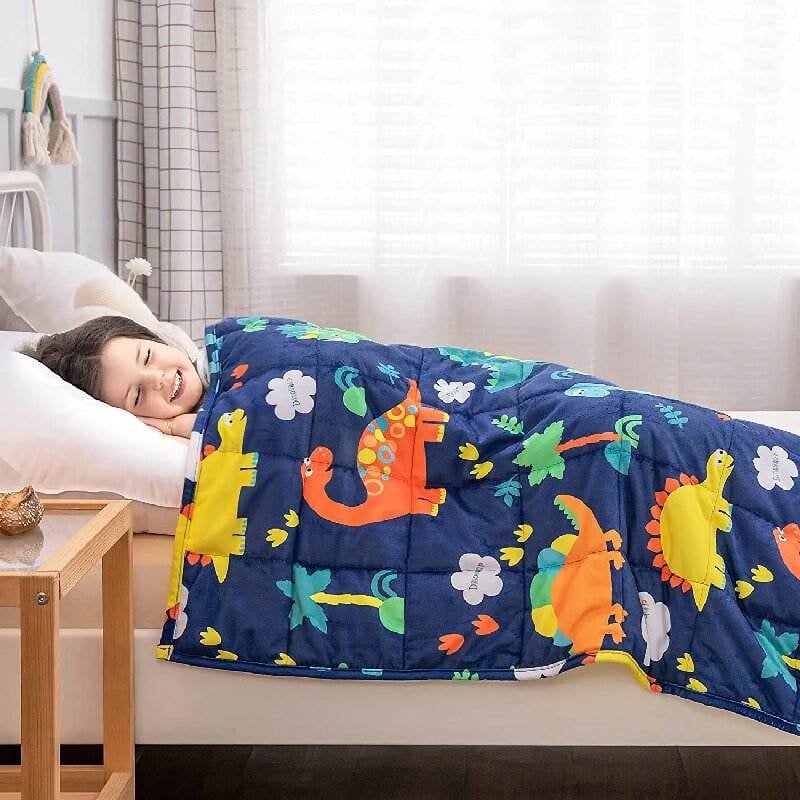
Finding manufacturers of weighted blankets demands due diligence across multiple dimensions. Beyond price competitiveness, you need suppliers who understand therapeutic specifications, material safety, weight distribution mechanics, and regulatory compliance. This guide outlines practical strategies to evaluate manufacturers, assess production capacity, verify quality control systems, and establish long-term partnerships with weighted blankets producers who meet industry standards.
Reliable weighted blankets manufacturers maintain third-party certifications that validate their production processes and material safety. Look for ISO 9001 certification, which demonstrates quality management system compliance, and OEKO-TEX Standard 100 certification, which confirms that materials contain no harmful substances. Manufacturers producing weighted blankets for therapeutic use should comply with FDA guidelines if marketing health benefits, while those serving retail markets must meet textile industry standards specific to your region.
Request documentation of all certifications held by potential manufacturers of weighted blankets. Verify certificates directly with issuing bodies rather than relying solely on supplied copies. Ask manufacturers to provide evidence of regular audits, testing protocols, and corrective action records. Credible suppliers maintain transparent documentation and welcome verification inquiries, demonstrating confidence in their operations and commitment to quality.
Before committing to weighted blankets manufacturers, conduct facility audits or request detailed facility documentation. Evaluate production capacity against your volume requirements, examining equipment specifications, automation levels, and production scheduling flexibility. Manufacturers with modern equipment typically achieve tighter quality tolerances and faster turnaround times. Ask about their approach to quality control, including in-process testing, final inspection procedures, and rejection protocols for weighted blankets that fail specifications.
Inquire about workforce training programs and experience level of personnel handling weighted blankets production. Skilled workers understand nuances like proper weight distribution, stitching integrity, and material compatibility that directly affect product longevity and performance. Manufacturers investing in employee training typically demonstrate higher commitment to consistent quality output.
Trustworthy weighted blankets manufacturers maintain clear visibility of their material supply chains. Request detailed information about fabric suppliers, fill materials, and component sources. Premium weighted blankets typically use cotton, cotton-polyester blends, or specialty minky materials for outer covers, while the weighted fill consists of glass beads or plastic pellets. Manufacturers should provide certificates of analysis for fill materials, confirming weight consistency, material composition, and absence of contaminants.
Evaluate whether manufacturers maintain relationships with established material suppliers and diversify sources to ensure continuity. Weighted blankets manufacturers managing single-source dependencies create supply chain risks. Ask about backup suppliers, inventory practices, and contingency planning for material shortages. Request samples of materials proposed for your weighted blankets production to assess durability, feel, and compliance with your brand specifications.
Reputable weighted blankets manufacturers employ comprehensive testing before shipment. Inquire about tensile strength testing for fabrics, weight verification procedures ensuring blankets meet exact specifications, and durability testing through simulated wash cycles. Manufacturers should conduct regular pilling resistance tests, color fastness evaluations, and seam strength assessments. Request information about their statistical process control methods and how they track consistency across production batches.
Ask manufacturers to share details about defect tracking systems and root cause analysis procedures when quality issues arise. Manufacturers committed to excellence maintain continuous improvement processes and proactively address emerging issues with weighted blankets production. Review their rejection rates and rework procedures, which should demonstrate strict adherence to specifications rather than accepting marginal products.
Reliable weighted blankets manufacturers maintain responsive communication channels and demonstrate technical expertise. During initial inquiry phases, assess response times, clarity of technical explanations, and willingness to address custom requests. Manufacturers should provide detailed product specifications, including weight tolerances, dimension ranges, and material composition. They should offer guidance on design optimization, cost reduction opportunities, and production timeline estimates for your weighted blankets orders.
Evaluate whether manufacturers assign dedicated account representatives who understand your business needs and serve as single points of contact. Strong manufacturers of weighted blankets provide proactive communication about production progress, potential delays, and quality metrics. They should be willing to discuss modifications to specifications, offer sample production before full orders, and provide flexibility for quality-critical adjustments.
Reputable weighted blankets manufacturers offer transparent pricing structures that reflect production costs, material quality, and overhead. Request detailed quotes breaking down material costs, labor expenses, packaging, and overhead allocation. Compare quotes across multiple manufacturers to understand market rates, but avoid selecting suppliers solely based on lowest price, which often correlates with quality compromises.
Assess minimum order quantities, lead times, and whether manufacturers accommodate smaller initial orders for business evaluation. Established manufacturers of weighted blankets balance efficiency with flexibility, allowing new partners to start with reasonable volumes. Request information about volume discounts, payment terms, and whether they offer services like private labeling, custom packaging, or drop-shipping arrangements that align with your business model.
Priority certifications for weighted blankets manufacturers include ISO 9001 for quality management systems, OEKO-TEX Standard 100 for material safety, and any applicable regulatory certifications specific to your market. Therapeutic weighted blankets may require FDA compliance documentation. Request certificates and verify them directly with issuing organizations rather than accepting manufacturer-provided copies. Additional certifications like ISO 14001 for environmental practices indicate manufacturers' commitment to sustainability standards in weighted blankets production.
Request detailed capacity specifications including monthly production volume, equipment capabilities, and workforce size from weighted blankets manufacturers. Ask about current client base and how much capacity remains available for your orders. Inquire about their production scheduling flexibility and ability to handle seasonal volume fluctuations. Reputable manufacturers should provide realistic timelines, discuss potential constraints, and explain their contingency plans if demand exceeds normal production capacity for weighted blankets.
Reliable weighted blankets manufacturers provide certificates of analysis for fill materials confirming weight consistency, material composition, and safety standards. They maintain relationships with established material suppliers and offer fabric samples for your evaluation. Request information about their testing procedures including tensile strength, durability testing through wash cycles, and quality control metrics. Manufacturers should transparently discuss material sourcing practices, explain any sustainability initiatives, and provide guidance on material choices that balance quality, cost, and performance for your weighted blankets specifications.

2026/11/02
Struggling to choose the right living room rugs? Avoid costly mistakes with expert insights on size, material, durability, style & care. Get your perfect rug.

2026/11/03
Worried about infant falls during crawling? Discover how cushioned baby play mats absorb impact, and support motor development. Get expert safety tips now.

2026/11/04
Struggling with messy spills and tummy time needs? Discover waterproof, sensory, and tummy-time-optimized play mat surface. Compare materials now.

2026/11/05
Can a kids play mat reduce noise? Discover how thickness, foam density & full coverage deliver real acoustic relief. Get the guide.

2026/11/06
Why do kids slip on tile, laminate & polished wood? Discover how premium non-slip play mats anchor securely AND absorb impact. Boost safety.

2026/11/09
Tired of scrubbing stains and battling odors? Discover the 5 key kids play mat features—waterproof surfaces, washable covers, non-slip grip. See what makes maintenance effortless.

