 EN

What Should Buyers Know Before Ordering Living Room Rugs?
2026/11/02
Struggling to choose the right living room rugs? Avoid costly mistakes with expert insights on size, material, durability, style & care. Get your perfect rug.
Selecting the right supplier for a nursery rug is one of the most important procurement decisions for retailers, interior designers, and facility managers who work with children's spaces. A reliable nursery rug supplier ensures consistent quality, safety compliance, timely delivery, and fair pricing that directly impacts your business reputation and customer satisfaction. The process of identifying trustworthy nursery rug suppliers, however, requires careful research, clear vetting criteria, and an understanding of industry standards that govern children's products.
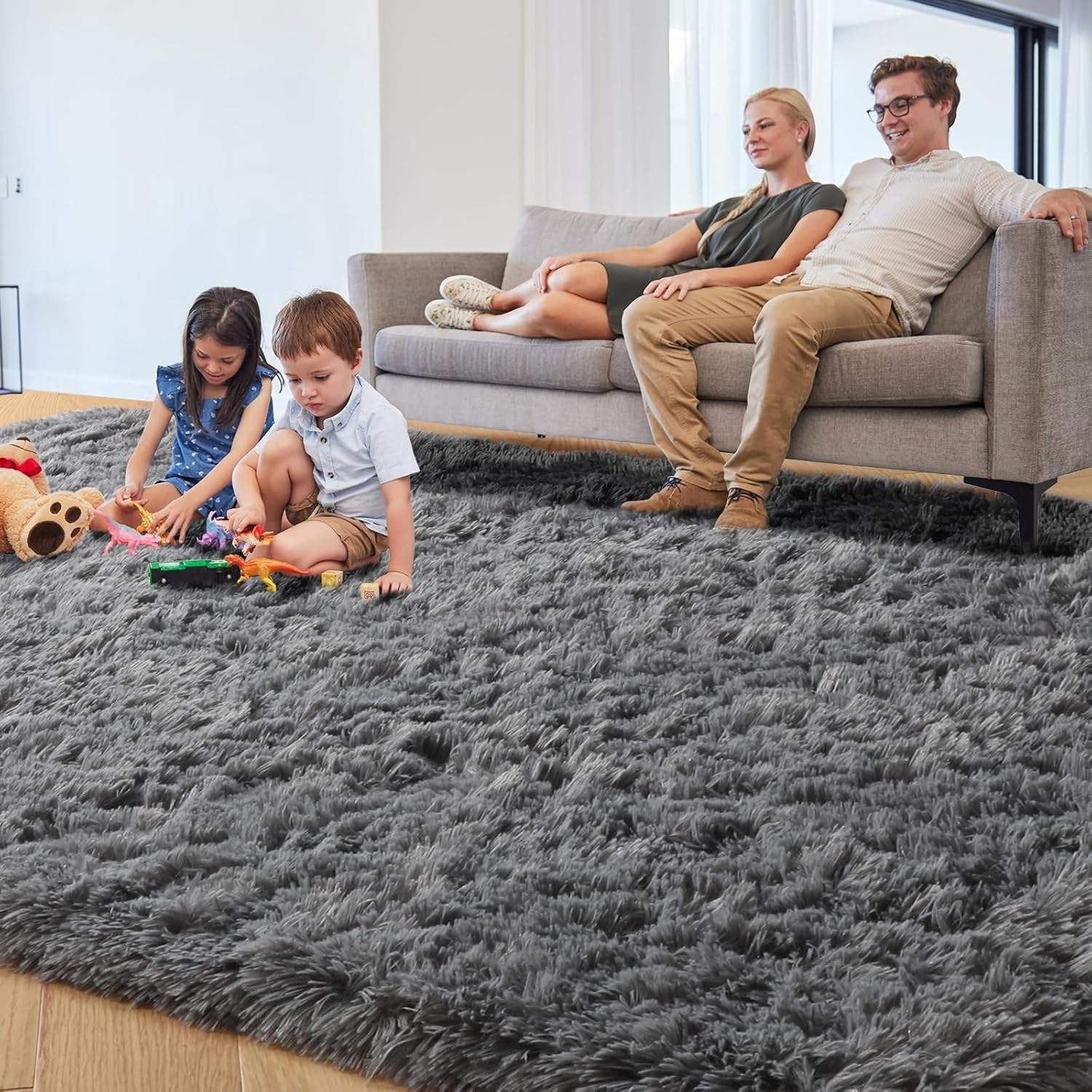
Finding a dependable nursery rug supplier involves evaluating multiple dimensions including manufacturing certifications, product safety testing, production capacity, and customer service responsiveness. A quality nursery rug supplier will demonstrate transparency in their sourcing practices, maintain strict quality control processes, and provide clear communication throughout the ordering and fulfillment cycle. By establishing clear evaluation criteria upfront, you reduce procurement risk and build long-term partnerships with suppliers who genuinely understand the unique demands of the children's product market.
Every reliable nursery rug supplier must maintain compliance with international safety standards that protect children from hazardous materials and design defects. The most important certifications include CPSIA (Consumer Product Safety Improvement Act) compliance for products sold in North America, REACH compliance for European markets, and specific textile safety standards like ASTM F1648 for children's sleepwear flammability. When evaluating a nursery rug supplier, request documentation proving third-party testing by accredited laboratories rather than relying on self-certification alone. A trustworthy nursery rug supplier will openly share test reports, material safety data sheets, and quality control documentation without hesitation or excessive delays.
Established nursery rug suppliers often hold industry recognitions, memberships in trade associations, and certifications from quality management systems like ISO 9001. These credentials indicate that a supplier has submitted to regular audits, maintains documented processes, and demonstrates commitment to continuous improvement. Look for suppliers who participate actively in industry groups focused on children's product safety, as these organizations maintain current knowledge of regulatory changes and best practices. Industry involvement suggests a supplier takes their responsibilities seriously and invests in staying ahead of evolving safety requirements.
A reliable nursery rug supplier must have production facilities and equipment appropriate for your order volume and timeline requirements. Visit supplier websites or request facility tours to verify that manufacturing equipment is modern, well-maintained, and suited for producing quality rugs with consistent specifications. Ask about their quality control procedures, including how they inspect materials upon receipt, monitor production at each stage, and conduct final product testing before shipment. A credible nursery rug supplier will have documented quality protocols and be willing to explain their testing methods in detail. Understanding production capacity also prevents disappointing delays when you need quick turnarounds or seasonal volume increases.
The quality of a nursery rug begins with the materials selected by your supplier. Request information about where your supplier sources raw materials, how they verify material authenticity and safety, and what measures they take to prevent contamination or substitution. A trustworthy nursery rug supplier maintains relationships with verified material providers, conducts incoming material inspections, and can trace the origin of fibers, dyes, and backing materials. Transparency in the supply chain reduces the risk that substandard materials will compromise the final product. Ask specific questions about their vetting process for material vendors and how they ensure consistency across production batches.
A reliable nursery rug supplier demonstrates responsive communication, clear order processes, and effective problem resolution. During your initial interactions, assess how quickly they respond to inquiries, how thoroughly they answer technical questions, and whether they proactively offer guidance on product selection and customization options. Request information about their standard lead times, minimum order quantities, and any volume discounts or flexible arrangements they might offer. A quality nursery rug supplier views their role as a partner rather than a transactional vendor, meaning they invest time in understanding your business needs and helping you make informed decisions about which products best fit your market or requirements.
Ask prospective suppliers for references from existing customers, particularly those with similar business models or order profiles to yours. Speaking directly with current clients provides insight into the supplier's reliability, product consistency, and ability to handle challenges or urgent requests. A reputable nursery rug supplier will confidently provide references and encourage you to contact them. Additionally, review online feedback, industry reviews, and any public complaints through consumer protection agencies or industry forums. Long-term supplier relationships often develop because the supplier consistently delivers quality products, communicates transparently, and demonstrates willingness to adapt their service to meet evolving customer needs.
Before committing to a large order, request product samples from any nursery rug supplier you are seriously considering. Evaluate samples for color accuracy, material feel, construction quality, odor, and overall compliance with your specifications. Subject samples to your own quality checks, such as texture testing, color fastness evaluation, and dimensional verification. A professional nursery rug supplier will provide samples without excessive delay or cost, recognizing that samples serve both parties' interests by confirming compatibility before full production begins. Testing samples also gives you confidence that the product will meet customer expectations and reduces the risk of receiving substandard inventory.
Negotiate clear contract terms with your selected nursery rug supplier that specify quality standards, delivery schedules, payment terms, and procedures for handling defects or disputes. Include language about product specifications, acceptable tolerance ranges, and your right to inspect upon delivery. Define what constitutes a defect and establish clear procedures for returns or replacements. A reliable nursery rug supplier will welcome detailed contracts because clear expectations prevent misunderstandings and build confidence in the business relationship. Include contingency provisions that address potential disruptions, such as raw material shortages or shipping delays, so both parties understand how to manage unforeseen challenges.
You should require CPSIA compliance for North American sales, REACH compliance for European markets, and testing certifications from accredited third-party laboratories. Request documentation of ASTM F1648 testing for flammability, material safety data sheets for all dyes and treatments, and ISO 9001 certification if available. Ask the supplier for proof of regular safety audits and any industry memberships that demonstrate commitment to children's product safety standards.
Request product samples and evaluate them for color accuracy, texture consistency, construction quality, and any unusual odors that might indicate chemical issues. Conduct your own quality checks such as color fastness testing, dimensional verification, and material composition verification. A reliable supplier will provide samples promptly and be willing to explain their production process and quality control methods in detail. Testing samples reduces procurement risk and confirms that the product meets your standards before full production.
Your contract should specify detailed product specifications, acceptable tolerance ranges, quality standards, delivery schedules, payment terms, and procedures for handling defects or returns. Include language about inspection rights, what constitutes a defect, and contingency provisions for supply chain disruptions. Clearly define responsibilities for regulatory compliance, warranty periods, and dispute resolution processes. A professional nursery rug supplier will welcome detailed contracts because they establish clear expectations and protect both parties' interests.

2026/11/02
Struggling to choose the right living room rugs? Avoid costly mistakes with expert insights on size, material, durability, style & care. Get your perfect rug.

2026/11/03
Worried about infant falls during crawling? Discover how cushioned baby play mats absorb impact, and support motor development. Get expert safety tips now.

2026/11/04
Struggling with messy spills and tummy time needs? Discover waterproof, sensory, and tummy-time-optimized play mat surface. Compare materials now.

2026/11/05
Can a kids play mat reduce noise? Discover how thickness, foam density & full coverage deliver real acoustic relief. Get the guide.

2026/11/06
Why do kids slip on tile, laminate & polished wood? Discover how premium non-slip play mats anchor securely AND absorb impact. Boost safety.

2026/11/09
Tired of scrubbing stains and battling odors? Discover the 5 key kids play mat features—waterproof surfaces, washable covers, non-slip grip. See what makes maintenance effortless.

