 EN

What Should Buyers Know Before Ordering Living Room Rugs?
2026/11/02
Struggling to choose the right living room rugs? Avoid costly mistakes with expert insights on size, material, durability, style & care. Get your perfect rug.
Finding trustworthy living room rugs manufacturers is a critical challenge for retailers, interior designers, and business buyers seeking quality products at competitive prices. The global rug market presents countless options, but distinguishing between legitimate manufacturers and unreliable suppliers requires careful evaluation and strategic due diligence. This guide provides practical frameworks for identifying manufacturers that meet your standards for quality, reliability, and business integrity.
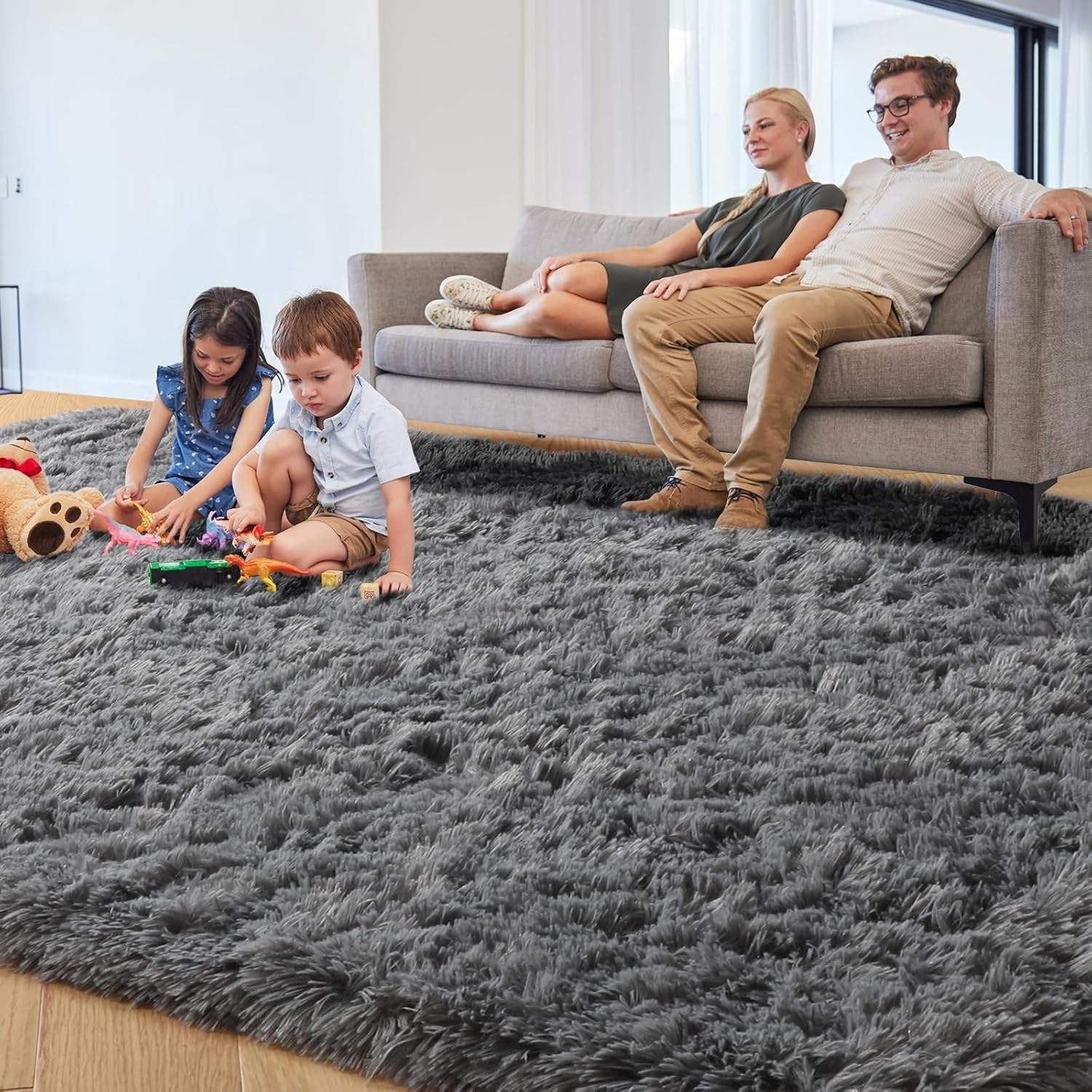
Selecting reliable living room rugs manufacturers depends on multiple interconnected factors including production capacity, quality certifications, communication responsiveness, and verifiable market reputation. Each of these elements plays a distinct yet closely related role in determining whether a manufacturer can consistently meet your needs, and overlooking even one of them can lead to supply problems, quality issues, or damaged business relationships down the line. Production capacity, for example, determines whether a manufacturer can handle your order volume during peak seasons without delays or compromises in quality, while quality certifications offer objective proof that their materials and processes meet recognized industry standards. Communication responsiveness is equally important, since timely replies, clear documentation, and proactive updates can prevent misunderstandings and keep your projects on schedule. Verifiable market reputation, meanwhile, provides insight into how a manufacturer has performed over time, based on feedback from other buyers, trade references, and public track records. Manufacturers vary significantly in their operational standards, material sourcing practices, and ability to meet bulk orders consistently, which means that two suppliers offering similar products at similar prices may deliver very different experiences in practice. Some may rely on stable, ethically sourced materials and well-maintained production lines, while others may cut corners, substitute lower-grade inputs, or struggle to fulfill large or repeat orders. Understanding these distinctions helps you avoid costly mistakes and build lasting supplier relationships that support your business growth. By evaluating manufacturers carefully and systematically, you can reduce risk, protect your brand's reputation, and establish partnerships that deliver reliable quality, fair pricing, and dependable service over the long term.
Reputable living room rugs manufacturers maintain recognized quality certifications that demonstrate their commitment to industry standards. ISO 9001 certification indicates a manufacturer has established quality management systems, while eco-friendly certifications verify sustainable production practices. Check whether manufacturers hold textile-specific accreditations that validate their material sourcing and manufacturing processes. These credentials provide third-party verification of their operational competence and reduce your risk when placing large orders.
Reliable manufacturers maintain transparent information about their production facilities and are willing to provide factory tours or detailed facility documentation. Request specifics about their equipment, workforce training programs, and quality control checkpoints throughout the manufacturing process. Many trustworthy living room rugs manufacturers openly share information about their production capacity, lead times, and scalability. Site visits or virtual facility tours offer valuable insight into their operational maturity and whether they can consistently deliver your volume requirements.
Investigate a manufacturer's standing through industry databases, trade associations, and customer review platforms specific to textile and home furnishings. Request verifiable references from existing clients who can attest to product quality, delivery reliability, and professional communication. Seek feedback about their responsiveness to quality issues, handling of customization requests, and consistency across large orders. Living room rugs manufacturers with strong reputations typically encourage such inquiries and provide multiple references without hesitation.
Examine the manufacturer's website, social media profiles, and trade show participation to gauge their market presence and professionalism. Long-established living room rugs manufacturers often appear in textile industry directories and maintain active engagement with trade organizations. Check their business registration and years in operation to identify emerging suppliers versus established entities. While newer manufacturers can be reliable, longer operating histories reduce uncertainty and typically indicate sustained customer satisfaction.
Request detailed information about how living room rugs manufacturers test their products for durability, colorfastness, and material integrity. Ask about their testing procedures for wear resistance, pile retention, and backing stability under typical household conditions. Reliable manufacturers can provide third-party testing reports validating their claims about product performance and safety compliance. Request samples to personally evaluate the construction quality, material feel, and overall finish before committing to large orders.
Assess whether living room rugs manufacturers can accommodate your specific requirements for size, color, material composition, and design preferences. Manufacturers with robust production capabilities demonstrate flexibility in customization without significant price premiums or extended lead times. Discuss their process for handling design iterations, quality approval steps, and their responsiveness to specification changes during production. Strong manufacturers maintain clear communication channels and provide regular updates on custom order progress.
Reputable manufacturers typically hold ISO 9001 quality management certification, eco-friendly material certifications, and textile-specific industry accreditations. These credentials demonstrate that they maintain consistent quality standards and adhere to environmental regulations. Request documentation proving these certifications and verify their validity through issuing organizations before finalizing supplier agreements.
Ask manufacturers directly about their annual production volume, machine specifications, and workforce size. Request factory documentation showing equipment details and production scheduling capabilities. Many reliable manufacturers provide this information readily and may offer virtual facility tours to demonstrate their capacity. Cross-reference their stated capacity against industry benchmarks to ensure realistic claims.
Request detailed product samples, technical specifications, quality testing reports, client references, and written samples of past work. Ask about their quality control procedures, lead times, pricing terms, and dispute resolution processes. Obtain samples in your actual color and material preferences to evaluate products thoroughly. A responsive manufacturer will provide comprehensive information promptly and encourage your due diligence.

2026/11/02
Struggling to choose the right living room rugs? Avoid costly mistakes with expert insights on size, material, durability, style & care. Get your perfect rug.

2026/11/03
Worried about infant falls during crawling? Discover how cushioned baby play mats absorb impact, and support motor development. Get expert safety tips now.

2026/11/04
Struggling with messy spills and tummy time needs? Discover waterproof, sensory, and tummy-time-optimized play mat surface. Compare materials now.

2026/11/05
Can a kids play mat reduce noise? Discover how thickness, foam density & full coverage deliver real acoustic relief. Get the guide.

2026/11/06
Why do kids slip on tile, laminate & polished wood? Discover how premium non-slip play mats anchor securely AND absorb impact. Boost safety.

2026/11/09
Tired of scrubbing stains and battling odors? Discover the 5 key kids play mat features—waterproof surfaces, washable covers, non-slip grip. See what makes maintenance effortless.

