 EN

What Should Buyers Know Before Ordering Living Room Rugs?
2026/11/02
Struggling to choose the right living room rugs? Avoid costly mistakes with expert insights on size, material, durability, style & care. Get your perfect rug.
Finding the right weighted eye mask suppliers requires a strategic approach that balances quality, reliability, pricing, and capacity. Whether you're sourcing for retail distribution, corporate wellness programs, or direct consumer sales, the supplier selection process significantly impacts your product quality and business margins. This guide walks you through the essential steps and considerations for identifying professional weighted eye mask suppliers that align with your business needs.
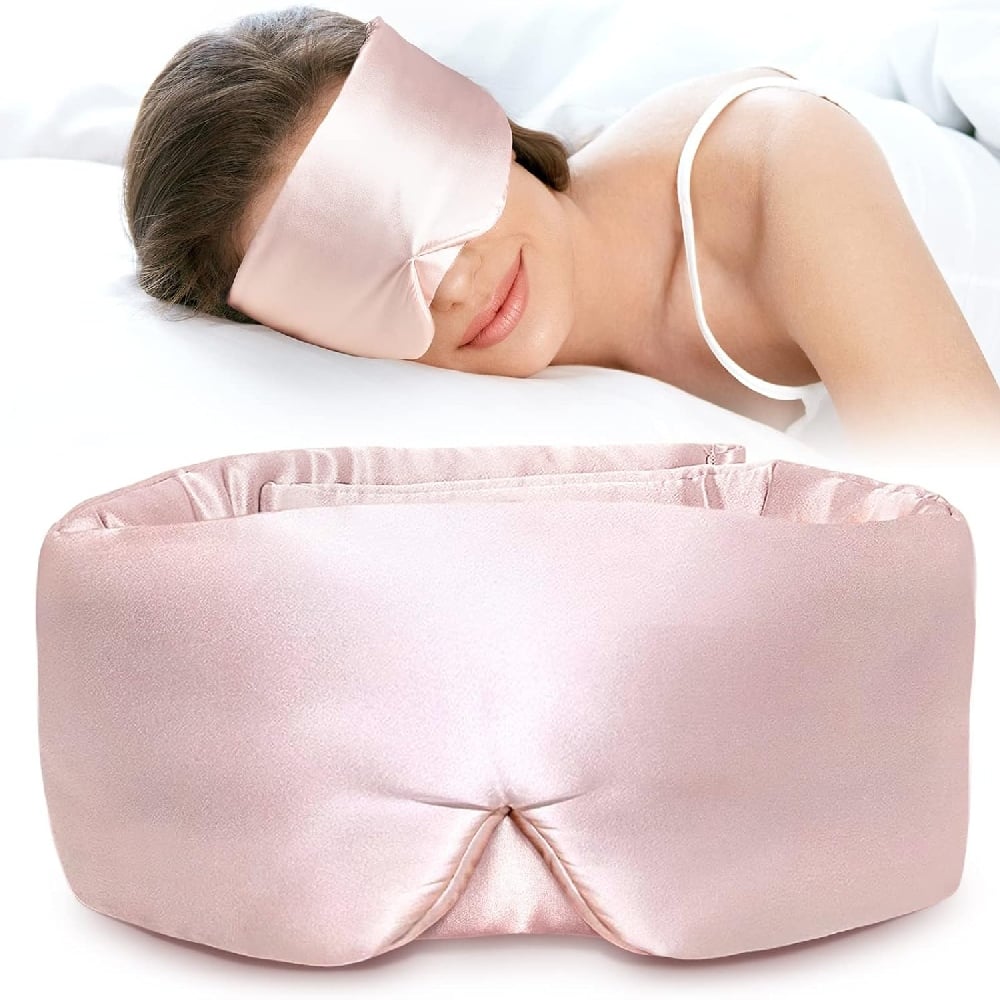
The global market for weighted eye masks has expanded significantly, with manufacturers ranging from small artisan producers to large industrial operations. Professional suppliers understand the importance of material quality, ergonomic design, safety certifications, and consistent production standards. Identifying legitimate weighted eye mask suppliers who meet your specifications and volume requirements demands careful evaluation across multiple dimensions including manufacturing capacity, product certifications, customization options, and long-term partnership potential.
Direct manufacturers represent the most reliable source for weighted eye mask suppliers seeking long-term partnerships. These facilities typically specialize in producing sleep aids and comfort products, maintaining dedicated equipment for quality control and material sourcing. When evaluating direct weighted eye mask manufacturers, request detailed information about production capacity, lead times, minimum order quantities, and customization capabilities. Professional suppliers should provide transparent documentation of their manufacturing processes, quality assurance protocols, and compliance certifications relevant to consumer product safety.
Establishing relationships with direct manufacturers often yields better pricing for bulk orders and more flexibility in product specifications. Many weighted eye mask suppliers offer private label options, allowing you to add custom branding while leveraging their production expertise. Request factory tours or video walkthroughs to assess production environments, worker safety standards, and equipment quality. Direct relationships also facilitate communication regarding product improvements, material sourcing, and production schedules.
B2B trade platforms have become essential resources for sourcing weighted eye mask suppliers at scale. These platforms aggregate manufacturer profiles, product specifications, certifications, and buyer reviews, enabling efficient comparison across multiple suppliers. Professional weighted eye mask suppliers maintain active accounts on recognized B2B networks, where they display manufacturing certifications, quality metrics, and customer testimonials. When evaluating suppliers through trade platforms, prioritize those with verified credentials, extended business histories, and consistent positive feedback from established buyers.
Industry-specific trade shows and exhibitions offer valuable opportunities to meet weighted eye mask suppliers face-to-face, examine sample products, and discuss partnership terms directly. These events attract established manufacturers and innovative producers, allowing you to assess product quality, innovation trajectories, and organizational professionalism firsthand. Attend sessions focused on sleep wellness and consumer product manufacturing to expand your supplier network and stay informed about market trends and emerging technologies.
Professional weighted eye mask suppliers must maintain relevant quality certifications and comply with safety regulations applicable to consumer products. Verify that potential suppliers hold certifications such as ISO 9001 for quality management, relevant textile certifications, and compliance with regional consumer safety standards including CPSIA in North America and CE marking in Europe. Request copies of safety test reports, material composition documentation, and third-party audit results to confirm compliance with regulatory requirements.
Understanding the specific safety and material standards for weighted eye masks is essential when vetting suppliers. The filling materials used in weighted eye masks including glass beads, sand, or polypropylene pellets must meet consumer product safety regulations and be non-toxic and hypoallergenic. Ask weighted eye mask suppliers about their material sourcing practices, supply chain transparency, and quality control procedures for filler materials. Reputable suppliers should provide safety data sheets, material certifications, and testing documentation upon request, demonstrating their commitment to product safety and regulatory compliance.
Evaluate the production capacity and operational flexibility of weighted eye mask suppliers to ensure they can meet your volume requirements and accommodate growth. Inquire about maximum production capacity, typical lead times for standard and custom orders, and minimum order quantities. Professional suppliers should clearly communicate their production schedules, ability to accommodate rush orders, and backup production facilities or partnerships that ensure supply chain resilience.
Customization capabilities represent a significant differentiator among weighted eye mask suppliers. Determine whether suppliers can accommodate requests for custom colors, sizes, fabric materials, weight options, or branding elements. Ask about setup costs for customizations, lead time implications, and pricing structures for various order volumes. Understanding these logistics helps you assess whether a supplier can support your product vision and market differentiation strategy while maintaining competitive pricing.
Reliable weighted eye mask suppliers demonstrate clear communication protocols, dedicated account management, and responsive customer service. During initial interactions, assess the supplier's willingness to answer detailed questions, provide documentation promptly, and clarify specifications thoroughly. Professional suppliers should assign account representatives who understand your business needs, maintain regular communication, and proactively address potential issues before they impact your operations.
Establish clear expectations regarding communication channels, response time standards, and escalation procedures early in your supplier relationship. Request information about technical support availability, after-sales service, and procedures for addressing quality issues or disputes. Weighted eye mask suppliers who invest in robust communication infrastructure demonstrate their commitment to customer satisfaction and long-term partnership development. Regular communication also enables collaborative problem-solving and continuous improvement of product quality and delivery reliability.
Negotiate competitive pricing while ensuring weighted eye mask suppliers maintain adequate quality standards and operational margins. Request detailed cost breakdowns including material costs, labor, packaging, and transportation to understand pricing structures. Professional suppliers should provide transparent pricing, tiered pricing for volume commitments, and flexibility in payment terms as your business relationship develops. Compare quotations from multiple weighted eye mask suppliers, but prioritize value and reliability over the lowest price alone.
Establish clear contract terms covering order quantities, delivery schedules, quality specifications, pricing guarantees, and dispute resolution procedures. Include clauses addressing intellectual property protection for customized products, liability limitations, and exclusivity arrangements if applicable. Professional weighted eye mask suppliers should provide well-drafted contracts that protect both parties and establish clear expectations for ongoing business operations. Before finalizing agreements, seek legal review of contract terms to ensure compliance with your jurisdiction's commercial regulations and adequacy of protections for your business interests.
Professional weighted eye mask suppliers should maintain ISO 9001 quality management certification, relevant textile industry certifications, and compliance with consumer product safety regulations such as CPSIA and CE marking. They should provide third-party safety test reports confirming that filler materials are non-toxic and hypoallergenic, and documentation of compliance with applicable regulatory standards in your target markets. Request copies of certifications and audit results before committing to supplier partnerships.
Verify supplier reliability by requesting references from existing customers, checking buyer reviews on B2B platforms, and examining their business registration and industry credentials. Request factory tours or video documentation of production facilities, request samples for quality evaluation, and conduct background research on their company history and market reputation. Professional weighted eye mask suppliers should willingly provide references and demonstrate transparency about their operations, certifications, and business practices.
Minimum order quantities for weighted eye mask suppliers vary based on production setup requirements, customization complexity, and supplier operational policies. Standard orders typically range from 500 to 5,000 units, though custom orders may have higher minimums due to tooling and setup costs. Discuss minimum order quantities during initial supplier negotiations, as established suppliers may offer flexibility for long-term partnership commitments or accommodate lower minimums for initial trial orders.

2026/11/02
Struggling to choose the right living room rugs? Avoid costly mistakes with expert insights on size, material, durability, style & care. Get your perfect rug.

2026/11/03
Worried about infant falls during crawling? Discover how cushioned baby play mats absorb impact, and support motor development. Get expert safety tips now.

2026/11/04
Struggling with messy spills and tummy time needs? Discover waterproof, sensory, and tummy-time-optimized play mat surface. Compare materials now.

2026/11/05
Can a kids play mat reduce noise? Discover how thickness, foam density & full coverage deliver real acoustic relief. Get the guide.

2026/11/06
Why do kids slip on tile, laminate & polished wood? Discover how premium non-slip play mats anchor securely AND absorb impact. Boost safety.

2026/11/09
Tired of scrubbing stains and battling odors? Discover the 5 key kids play mat features—waterproof surfaces, washable covers, non-slip grip. See what makes maintenance effortless.

