 EN

What Should Buyers Know Before Ordering Living Room Rugs?
2026/11/02
Struggling to choose the right living room rugs? Avoid costly mistakes with expert insights on size, material, durability, style & care. Get your perfect rug.
Choosing the right mat for your space requires understanding how a memory foam mat compares to other flooring options. Whether you are selecting a mat for a playroom, gym, yoga studio, or kitchen, the differences between mat types directly impact comfort, durability, and long-term value. This comparison guide breaks down what makes memory foam mats unique and helps you make an informed decision based on your specific needs.
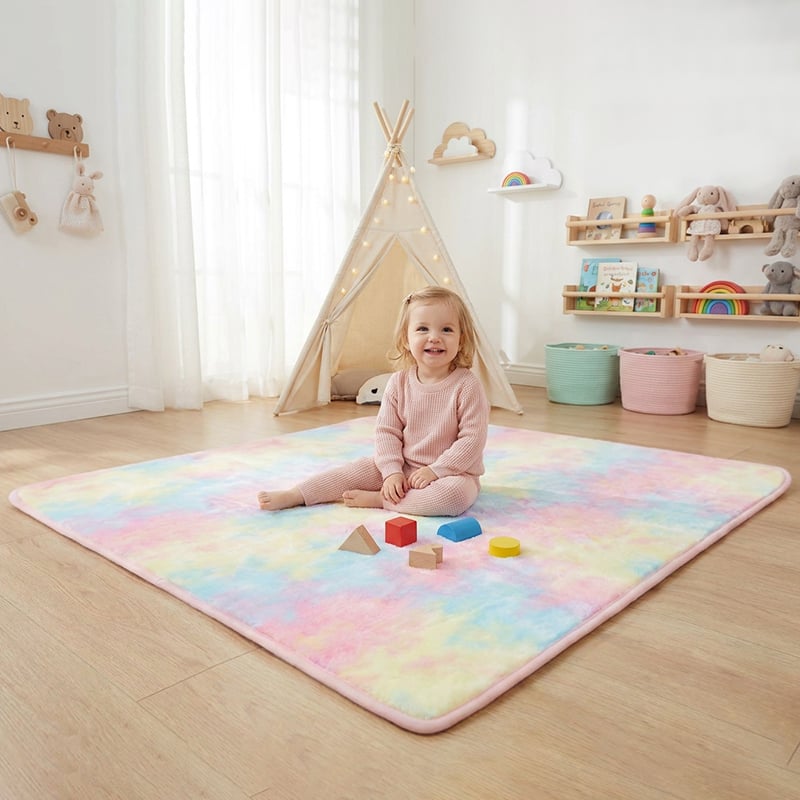
A memory foam mat offers distinct advantages in cushioning and support compared to conventional alternatives. The core appeal lies in how memory foam responds to body weight and temperature, creating personalized comfort that adapts to individual users. Understanding these characteristics against rubber mats, PVC options, EVA foam, and traditional padding helps you evaluate which mat type truly meets your expectations.
A memory foam mat provides superior contouring compared to rubber mats. Memory foam responds to heat and pressure, molding to the specific contours of your body or the objects placed on it. Rubber mats, by contrast, offer uniform firmness without this adaptive response. For applications where impact absorption matters—such as children's play areas or fitness spaces—a memory foam mat delivers noticeably softer landing and reduced joint stress.
Rubber mats excel in outdoor applications and high-moisture environments where durability under harsh conditions takes priority. They resist water penetration and weathering better than memory foam. However, rubber typically feels less forgiving underfoot and does not provide the same relief during extended standing or activity. The choice depends on whether your primary goal is comfort or environmental resilience.
Memory foam mats typically have a service life of 3 to 7 years depending on usage intensity and maintenance. Over time, memory foam can develop permanent indentations if subjected to constant pressure from heavy weight. Rubber mats generally last longer in high-traffic commercial environments and maintain their structural integrity even after years of demanding use. If your setting experiences heavy foot traffic or rolling equipment, rubber mats may provide better long-term reliability.
The trade-off is that rubber mats do not recover their original shape as smoothly as quality memory foam when pressure is relieved. A memory foam mat maintains its responsive properties longer in less intense residential or light commercial applications. Understanding your usage pattern helps determine which mat type offers better value over time.
A memory foam mat differs significantly from PVC mats in manufacturing and safety considerations. Memory foam is typically made from polyurethane-based materials and responds dynamically to temperature and pressure. PVC mats are rigid plastic compounds that offer affordability but may contain compounds some users wish to avoid. EVA foam sits between these options—lighter than memory foam, more flexible than PVC, and increasingly popular for children's products due to perceived safety advantages.
For households with young children or pets, a memory foam mat may feel more appropriate than PVC alternatives. Memory foam mats are generally free from concerns about off-gassing common with cheaper PVC products. EVA foam provides a middle ground with good cushioning and hypoallergenic properties, though it typically lacks the sophisticated pressure-responsive qualities that define premium memory foam.
PVC mats offer the lowest entry price point, making them attractive for budget-conscious buyers or temporary installations. A memory foam mat costs more upfront but delivers superior comfort and specialized performance that justifies investment in permanent applications. EVA foam prices typically fall between PVC and memory foam, offering a reasonable compromise for users seeking better cushioning than plastic without the premium cost.
Your usage context determines whether the memory foam mat investment makes economic sense. For playrooms, nurseries, or personal fitness spaces where comfort and user satisfaction drive decisions, memory foam delivers clear value. For temporary event flooring or commercial warehouse applications, lower-cost PVC or rubber options may provide better return on investment despite reduced comfort performance.
Memory foam's temperature-sensitive nature creates both advantages and limitations. A memory foam mat becomes softer in warm environments and firmer in cold conditions. This thermal responsiveness enhances comfort in climate-controlled indoor spaces but can feel problematic in unheated garages or outdoor settings. Rubber and PVC mats maintain consistent firmness regardless of temperature, offering predictable performance across environmental conditions.
For gym studios, yoga spaces, and temperature-regulated playrooms, a memory foam mat's thermal properties enhance the user experience. In basements, outdoor patios, or industrial settings without climate control, alternative mat types provide more stable and reliable performance. Evaluating your facility's thermal environment helps determine whether memory foam's temperature sensitivity works for or against your needs.
A memory foam mat requires regular vacuuming and spot cleaning to prevent dirt accumulation in its porous surface. Moisture exposure can damage memory foam, making spill cleanup and controlled drying essential. Rubber mats and PVC options resist moisture better and tolerate harsher cleaning methods without degradation. For kitchens, bathrooms, or commercial kitchens where spills are frequent, rubber or PVC mats offer practical advantages.
Hygiene considerations matter in shared fitness environments and children's spaces. While memory foam provides comfort, its porous nature requires vigilant cleaning protocols to prevent bacterial growth. Sealed rubber mats and non-porous PVC alternatives allow easier sanitization and faster drying after deep cleaning. Facility managers often prefer alternatives to memory foam when infection control and quick-turnaround cleaning are operational priorities.
A quality memory foam mat typically maintains optimal performance for 3 to 7 years with proper care. Heavy daily use accelerates degradation, while light to moderate usage in residential settings can extend lifespan toward the upper range. Signs of aging include permanent indentation, reduced responsiveness, and loss of original cushioning. Rotating usage areas and avoiding prolonged pressure on single spots helps extend the functional life of your memory foam mat.
Memory foam mats are not ideal for outdoor use or consistently wet environments. Moisture penetration damages the foam structure and promotes mold or mildew growth. While brief exposure to spills can be managed with quick cleaning, sustained moisture exposure will degrade a memory foam mat's integrity. For bathrooms, kitchens, or outdoor spaces, rubber mats or purpose-built moisture-resistant alternatives provide far better performance and longevity than memory foam options.
Yes, a memory foam mat is an excellent choice for children's playrooms and nurseries. The cushioning reduces impact during falls and provides comfortable flooring for extended playing sessions. Memory foam is generally hypoallergenic and free from harsh chemicals common in cheaper alternatives. Ensure the mat meets relevant safety certifications and maintain regular cleaning protocols. For active toddlers and families prioritizing safety and comfort, a quality memory foam mat offers significant advantages over basic rubber or foam alternatives.

2026/11/02
Struggling to choose the right living room rugs? Avoid costly mistakes with expert insights on size, material, durability, style & care. Get your perfect rug.

2026/11/03
Worried about infant falls during crawling? Discover how cushioned baby play mats absorb impact, and support motor development. Get expert safety tips now.

2026/11/04
Struggling with messy spills and tummy time needs? Discover waterproof, sensory, and tummy-time-optimized play mat surface. Compare materials now.

2026/11/05
Can a kids play mat reduce noise? Discover how thickness, foam density & full coverage deliver real acoustic relief. Get the guide.

2026/11/06
Why do kids slip on tile, laminate & polished wood? Discover how premium non-slip play mats anchor securely AND absorb impact. Boost safety.

2026/11/09
Tired of scrubbing stains and battling odors? Discover the 5 key kids play mat features—waterproof surfaces, washable covers, non-slip grip. See what makes maintenance effortless.

