 EN

What Should Buyers Know Before Ordering Living Room Rugs?
2026/11/02
Struggling to choose the right living room rugs? Avoid costly mistakes with expert insights on size, material, durability, style & care. Get your perfect rug.
Selecting the right nursery rug is one of the most important decisions you'll make when designing your child's room. A quality rug provides comfort, safety, and aesthetic appeal, but the variety of options available can feel overwhelming. Understanding how to compare different nursery rug choices systematically helps you avoid costly mistakes and find a floor covering that truly serves your family's needs.
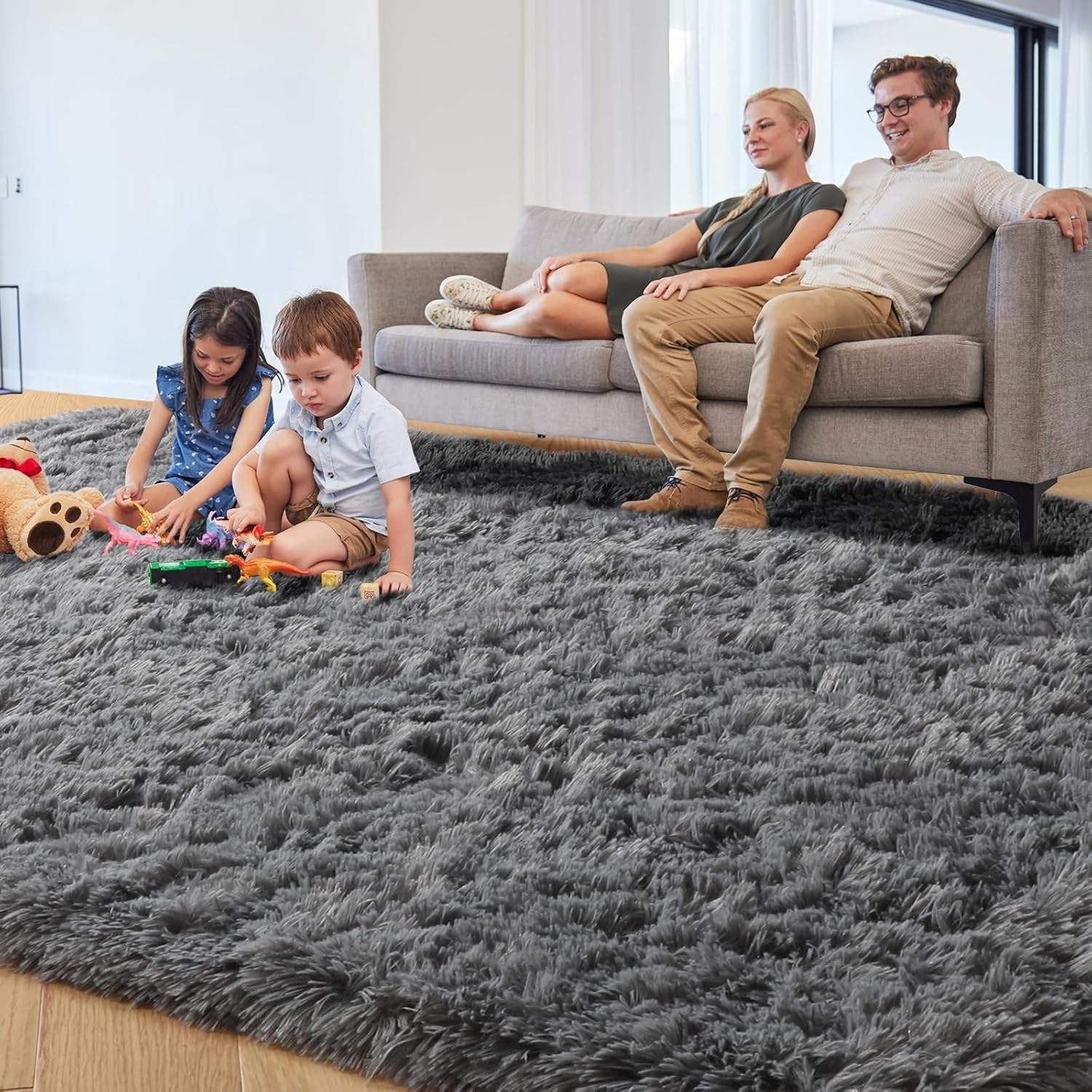
Parents and caregivers must evaluate multiple factors when comparing nursery rug options. Material composition, durability, safety certifications, ease of cleaning, and design all influence whether a particular rug will work well in your space. By breaking down the decision into specific comparison categories, you can evaluate each option objectively and select a nursery rug that balances practical performance with visual appeal.
The material you choose for your nursery rug directly impacts durability, comfort, and maintenance requirements. Wool offers natural resilience and warmth but requires careful cleaning. Synthetic fibers like polypropylene and polyester are budget-friendly, stain-resistant, and easy to wash. Natural cotton blends provide softness and breathability, though they may not be as durable in high-traffic areas. When comparing nursery rug materials, consider your household's activity level and your willingness to perform regular maintenance.
A durable nursery rug withstands frequent use, spills, and cleaning cycles without deteriorating. Look at pile density, which indicates how tightly fibers are woven together. Higher density typically means greater durability and longer lifespan. Check whether the rug backing reinforces fibers to prevent unraveling and stretching. Compare warranty information across nursery rug options to understand manufacturer confidence in product longevity. Investing in a more durable rug often saves money over time by reducing replacement frequency.
Safety is paramount when selecting a nursery rug for your child's room. Non-slip backing prevents the rug from shifting when your child crawls, plays, or walks on it, reducing fall risks. Evaluate whether the nursery rug includes anti-slip technology and how effective it is on different flooring types such as hardwood, tile, or laminate. Check that pile height isn't excessively high, as this can create tripping hazards for toddlers learning to walk.
Reputable nursery rug manufacturers submit products to safety testing and obtain relevant certifications. Look for compliance with standards such as Proposition 65, CPSIA, or similar regulations in your region. These certifications verify that the rug meets safety requirements and doesn't contain harmful chemicals or substances. When comparing nursery rug options, always ask for documentation proving safety testing and certification status. A nursery rug with proper certifications provides peace of mind that your child's environment is as safe as possible.
Nursery rugs inevitably encounter spills, accidents, and daily wear. Compare how easily different nursery rug options can be cleaned and maintained. Machine-washable rugs offer convenience and cost savings on professional cleaning. Stain-resistant treatments help protect against permanent discoloration from milk, juice, or other common nursery mishaps. Consider whether the rug requires special cleaning products or if standard household cleaners work effectively. Easy-care nursery rug options allow you to maintain cleanliness without excessive effort or expense.
Proper sizing ensures your nursery rug functions both aesthetically and practically. Too small, and the rug looks disproportionate and fails to define the play area. Too large, and it may create tripping hazards or overwhelm the room. Measure your nursery carefully and compare standard nursery rug dimensions to your available space. Consider furniture placement and how the rug interacts with cribs, dressers, and other fixtures. An appropriately sized nursery rug anchors the room while maintaining safe movement paths.
Your nursery rug contributes significantly to the room's overall aesthetic. When comparing options, evaluate how design, color, and pattern align with your intended nursery theme. A neutral-toned rug works well if you plan to update decor frequently. Bold patterns or character-themed designs may feel dated as your child grows. Consider versatility when comparing nursery rug choices—a rug that complements current decor but can adapt if your design preferences change offers better long-term value.
Colors in your nursery rug can influence your child's mood and environment. Soft pastels promote calm, while brighter colors stimulate activity and play. When comparing nursery rug options, think about the atmosphere you want to create during nap time versus playtime. Choose colors that work harmoniously with wall color, crib bedding, and other room elements. A thoughtfully selected nursery rug becomes a foundational design element that ties the entire room together cohesively.
The ideal nursery rug size depends on your room dimensions and furniture layout. A common choice is 5 by 7 feet or 4 by 6 feet for standard nursery spaces. Measure your room and consider how much floor space you want the nursery rug to cover relative to the crib and changing table placement. Larger rugs work better in spacious rooms, while smaller dimensions suit compact nurseries. Ensure the rug doesn't create tripping hazards near doorways or furniture pathways.
Price doesn't automatically guarantee superior quality in a nursery rug. Some expensive options reflect brand reputation or designer names rather than performance differences. Compare material composition, durability ratings, and safety certifications across price points to assess actual value. Mid-range nursery rug options often provide excellent quality and durability without premium pricing. Focus on specific features you need—stain resistance, machine washability, non-slip backing—rather than price alone when making your comparison.
A well-maintained nursery rug typically lasts three to five years before requiring replacement. Durability depends on material quality, usage intensity, and care practices. High-traffic areas see more wear, necessitating replacement sooner. Regular vacuuming and prompt stain treatment extend your nursery rug's lifespan significantly. When you notice persistent staining, pile matting, or safety concerns, it's time to consider replacing your current rug with a fresh nursery rug option.

2026/11/02
Struggling to choose the right living room rugs? Avoid costly mistakes with expert insights on size, material, durability, style & care. Get your perfect rug.

2026/11/03
Worried about infant falls during crawling? Discover how cushioned baby play mats absorb impact, and support motor development. Get expert safety tips now.

2026/11/04
Struggling with messy spills and tummy time needs? Discover waterproof, sensory, and tummy-time-optimized play mat surface. Compare materials now.

2026/11/05
Can a kids play mat reduce noise? Discover how thickness, foam density & full coverage deliver real acoustic relief. Get the guide.

2026/11/06
Why do kids slip on tile, laminate & polished wood? Discover how premium non-slip play mats anchor securely AND absorb impact. Boost safety.

2026/11/09
Tired of scrubbing stains and battling odors? Discover the 5 key kids play mat features—waterproof surfaces, washable covers, non-slip grip. See what makes maintenance effortless.

