 EN

What Should Buyers Know Before Ordering Living Room Rugs?
2026/11/02
Struggling to choose the right living room rugs? Avoid costly mistakes with expert insights on size, material, durability, style & care. Get your perfect rug.
A baby play mat is one of the most essential items in your nursery, providing a safe, comfortable space for your child to explore, play, and develop. These mats create a protective barrier between your baby and hard floors while offering a hygienic environment for playtime activities. However, many parents underestimate the importance of regular cleaning and proper maintenance to ensure the mat remains safe and functional. Understanding how to care for your baby play mat properly extends its lifespan and protects your child from accumulated dust, bacteria, and allergens that can build up over time.
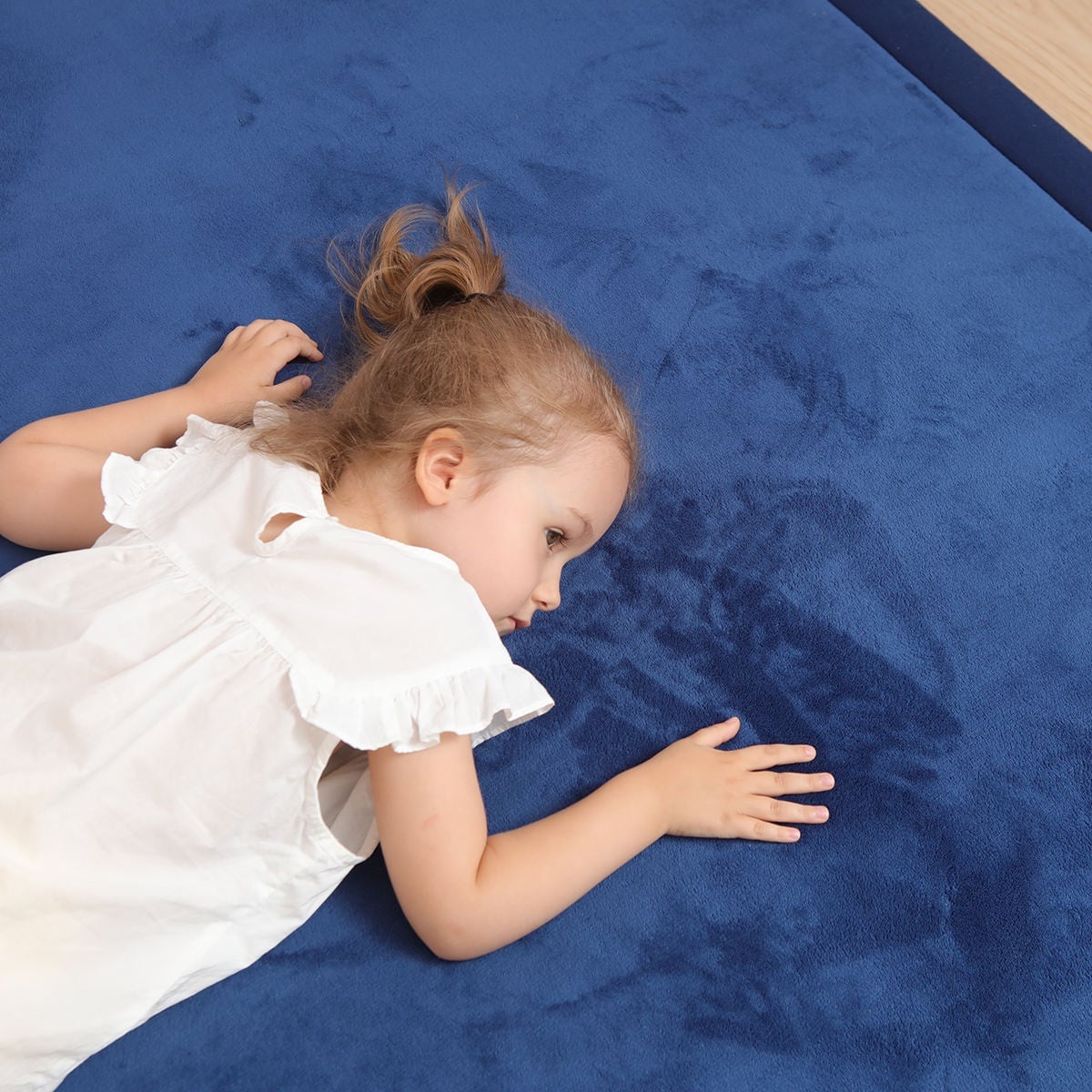
Maintaining your baby play mat involves more than just occasional wiping. A comprehensive approach combines regular surface cleaning, deep cleaning methods, and preventive measures to keep the mat in optimal condition. Whether your mat is made from foam, fabric, or rubber materials, knowing the right techniques prevents damage while eliminating harmful particles. This guide walks you through everything you need to know about caring for your baby play mat to ensure it remains a safe, welcoming space for your little one's development and play.
Daily surface cleaning is the foundation of maintaining your baby play mat in good condition. Each morning or after playtime sessions, use a dry microfiber cloth or soft brush to remove crumbs, dust, and loose debris from the surface. This simple step prevents particles from accumulating and reduces the need for frequent deep cleaning. For minor spills or spots, address them immediately with a damp cloth and mild soap solution. Blot the affected area rather than rubbing, which can push liquid deeper into the material and cause damage or water stains on your baby play mat.
Once a week, use a handheld vacuum or the upholstery attachment on your regular vacuum to thoroughly remove embedded dust, pet hair, and crumbs from your baby play mat. Pay special attention to seams, edges, and textured areas where debris tends to accumulate. After vacuuming, sprinkle baking soda lightly across the surface and let it sit for fifteen to twenty minutes to absorb odors naturally. This safe, non-toxic approach keeps your baby play mat fresh without exposing your child to harsh chemicals. Vacuum again to remove the baking soda completely, leaving behind a clean, deodorized surface.
For removable or fabric-based baby play mat covers, check the manufacturer's instructions before machine washing. Most fabric covers can tolerate a gentle cycle with cold water and mild detergent designed for delicate fabrics. Avoid bleach, fabric softeners, and harsh chemicals that can damage materials or leave residues harmful to your baby. If machine washing isn't suitable, hand washing your baby play mat cover in a bathtub with lukewarm water and gentle soap works equally well. Rinse thoroughly multiple times to ensure no soap residue remains, then air-dry completely before reattaching or using the mat again.
Periodically disinfecting your baby play mat eliminates bacteria and germs that survive regular cleaning. Mix equal parts white vinegar and water in a spray bottle to create a natural disinfectant solution safe for your baby play mat. Spray the solution lightly across the surface, let it sit for five to ten minutes, then wipe thoroughly with a clean, damp cloth. For foam mats, avoid oversaturating with liquid, as excessive moisture can seep into the core and cause mold growth. If you prefer commercial disinfectants, select those specifically labeled as safe for baby products and follow all application instructions carefully to protect your child's health.
Strategic placement of your baby play mat significantly extends its lifespan and reduces cleaning frequency. Position your baby play mat away from direct sunlight, which can fade colors and degrade materials over time. Keep it away from heating vents, radiators, and moisture sources that can warp or damage the mat. Establish household rules about eating or drinking near the mat to minimize spill incidents. Encourage proper shoe removal before playtime to prevent dirt and outdoor contaminants from transferring to your baby play mat surface, maintaining its cleanliness and hygiene standards.
When your baby play mat is no longer in daily use or during off-seasons, proper storage preserves its condition. Clean and completely dry your baby play mat before storing it to prevent mold and mildew growth. Roll the mat loosely rather than folding it, which can create permanent creases in foam or fabric materials. Store in a cool, dry location away from extreme temperatures and humidity fluctuations. Use breathable storage bags or containers instead of plastic, which can trap moisture and encourage bacterial growth. Check stored mats periodically for any signs of damage or odor issues requiring additional attention before the next use.
Deep cleaning your baby play mat once every two to four weeks is ideal, depending on usage frequency and visible dirt accumulation. However, if your baby frequently eats, drinks, or plays outdoors near the mat, increase deep cleaning to weekly intervals. Monthly deep cleaning maintains good hygiene standards without overdoing it and potentially damaging the material through excessive washing or chemical exposure.
Stick with mild soap, white vinegar, baking soda, and water-based solutions when cleaning your baby play mat. Avoid bleach, harsh chemical disinfectants, strong perfumes, and fabric softeners that leave residues harmful to your baby. Always rinse thoroughly after cleaning to eliminate any remaining product traces, and ensure the mat dries completely before your baby resumes playtime on it.
Steam cleaning can work on certain baby play mat materials, particularly rubber or high-quality fabric covers, but always verify the manufacturer's guidelines first. Never use steam on foam-based mats, as excessive heat and moisture can damage the foam core and create conditions for mold growth inside your baby play mat. When using steam on permitted materials, keep exposure brief and allow adequate drying time afterward.

2026/11/02
Struggling to choose the right living room rugs? Avoid costly mistakes with expert insights on size, material, durability, style & care. Get your perfect rug.

2026/11/03
Worried about infant falls during crawling? Discover how cushioned baby play mats absorb impact, and support motor development. Get expert safety tips now.

2026/11/04
Struggling with messy spills and tummy time needs? Discover waterproof, sensory, and tummy-time-optimized play mat surface. Compare materials now.

2026/11/05
Can a kids play mat reduce noise? Discover how thickness, foam density & full coverage deliver real acoustic relief. Get the guide.

2026/11/06
Why do kids slip on tile, laminate & polished wood? Discover how premium non-slip play mats anchor securely AND absorb impact. Boost safety.

2026/11/09
Tired of scrubbing stains and battling odors? Discover the 5 key kids play mat features—waterproof surfaces, washable covers, non-slip grip. See what makes maintenance effortless.

