 EN

What Should Buyers Know Before Ordering Living Room Rugs?
2026/11/02
Struggling to choose the right living room rugs? Avoid costly mistakes with expert insights on size, material, durability, style & care. Get your perfect rug.
Choosing the right weighted blankets can significantly improve your sleep quality and provide lasting comfort throughout the night. Many people struggle with restless nights, anxiety, or sensory sensitivity, and weighted blankets have emerged as a practical solution to address these challenges. Understanding how to select the right weighted blankets for your specific needs requires knowledge of weight distribution, material composition, and personal sleep preferences. This guide walks you through the essential factors that determine whether a weighted blanket will truly support your sleep goals.
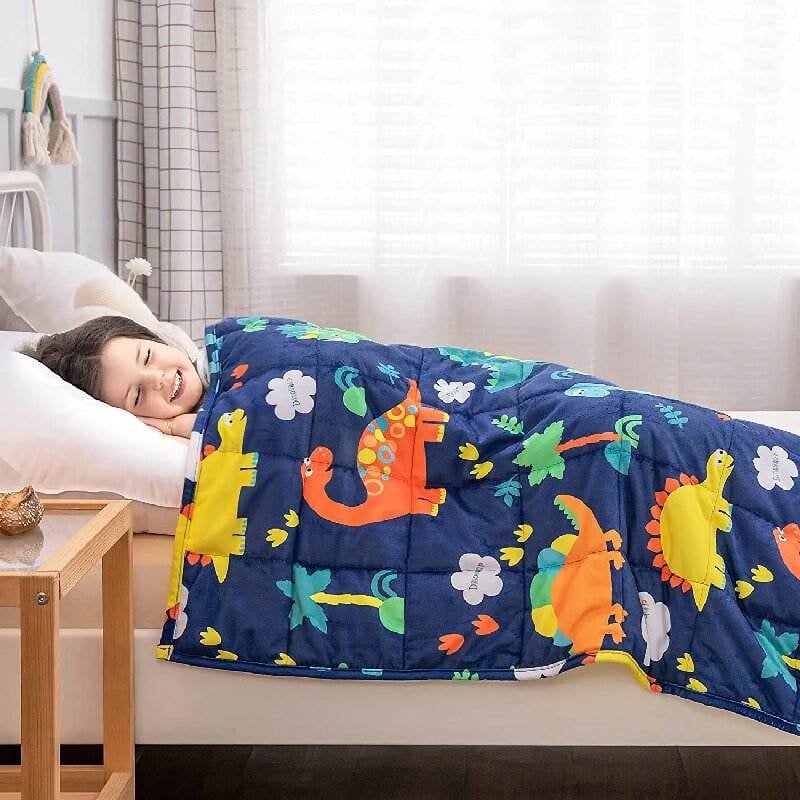
The process of selecting weighted blankets begins with understanding your body weight and sleep environment. A properly chosen weighted blanket applies gentle, consistent pressure that promotes deeper relaxation and can enhance sleep architecture. Rather than guessing or following generic recommendations, taking time to evaluate your individual circumstances ensures you invest in a blanket that delivers real results. This article explores the critical decision points that lead to finding weighted blankets perfectly aligned with your sleep needs.
The foundational rule for weighted blankets is that the blanket should typically weigh between 7 to 10 percent of your body weight. For example, if you weigh 150 pounds, a weighted blanket in the 10 to 15 pound range would be appropriate. This weight percentage creates the deep pressure stimulation that makes weighted blankets effective for sleep support. Starting within this range allows your body to adjust comfortably while still receiving therapeutic benefits. Some sleepers prefer lighter weighted blankets initially, especially if they are sensitive to pressure or have smaller frames, while others benefit from the upper end of this spectrum.
Weighted blankets come in various standard sizes, including twin, full, queen, and king dimensions. Selecting the right size ensures complete coverage and prevents the blanket from shifting during sleep. A blanket that extends to the edges of your mattress without bunching provides optimal weight distribution. For couples, coordinating sizes or choosing individual weighted blankets for each sleeper prevents tossing and ensures both partners receive adequate sleep support. Measure your bed and consider your personal sleep habits before deciding on a specific size for your weighted blankets.
The outer cover material directly impacts how comfortable your weighted blankets feel against your skin. Popular fabric options include cotton, bamboo, polyester blends, and minky dotted fabrics. Cotton offers breathability and durability, making it ideal for year-round use. Bamboo provides a silky texture and natural temperature regulation, beneficial for hot sleepers. Minky fabrics add softness and sensory comfort, particularly appealing for individuals seeking additional tactile stimulation alongside the weight itself. Polyester blends offer easy maintenance and affordability. Examine the fabric composition carefully, especially if you have sensitive skin or temperature sensitivity concerns related to your sleep support needs.
Weighted blankets use various fill materials, including glass microbeads, plastic pellets, or sand. Glass microbeads remain the most popular choice because they distribute weight evenly, create minimal noise, and maintain longevity. The fill is typically contained in small compartments or channels throughout the blanket to prevent clumping and ensure consistent pressure distribution. Quality construction means the internal pockets are securely stitched to maintain structural integrity. When evaluating weighted blankets, inspect the seam quality and fill consistency to confirm the blanket will maintain its therapeutic benefits over extended use.
Temperature regulation significantly affects how well weighted blankets support your sleep, especially in different seasons. A cooling weighted blanket or one with breathable fabric prevents overheating, which is crucial for maintaining sleep quality. If you live in a warm climate or sleep hot naturally, consider weighted blankets with moisture-wicking covers or thinner interior fill. Conversely, in cooler climates, a heavier cover or fleece-lined weighted blanket provides additional warmth retention. Some sleepers benefit from layering weighted blankets under cotton sheets or using them only during cooler months. Understanding your climate and personal temperature preferences helps you select weighted blankets that support comfortable, uninterrupted sleep throughout the year.
Different sleep issues require different weighted blanket approaches. Individuals with insomnia benefit from the deep pressure sensation that promotes relaxation and faster sleep onset. Those with anxiety or PTSD often experience significant relief from the calming effect of weighted blankets. Children or individuals with sensory processing needs may prefer lighter weighted blankets specifically designed for their developmental stage. Some sleepers using weighted blankets report reduced restless leg syndrome symptoms and fewer nighttime awakenings. Identifying your primary sleep challenge allows you to prioritize the features most relevant to improving your rest quality.
Before committing to a specific weighted blanket, many retailers offer trial periods allowing you to assess comfort and effectiveness. Your body typically needs 5 to 14 days to acclimate to the pressure stimulus provided by weighted blankets. During this adjustment phase, some sleepers experience discomfort or unusual sensations before recognizing the benefits. Continuing use through the adjustment period often results in improved sleep quality and deeper relaxation. If a weighted blanket remains uncomfortable after the trial period, exploring different weights or materials ensures you find the right fit rather than abandoning the concept entirely.
Long-term satisfaction with weighted blankets depends on proper maintenance and construction durability. Most weighted blankets feature removable covers that simplify washing while protecting the weighted interior. Check whether the manufacturer recommends specific care instructions, as some fill materials require gentle handling. Quality weighted blankets maintain their weight distribution and structural integrity through hundreds of wash cycles. Investing in a well-constructed blanket often proves more economical than replacing inferior options repeatedly. Reading customer reviews about durability helps identify weighted blankets designed for lasting performance.
The ideal weight for weighted blankets typically ranges from 7 to 10 percent of your body weight. This range provides optimal deep pressure stimulation for sleep support without causing discomfort. Someone weighing 180 pounds would benefit most from a 12 to 18 pound weighted blanket. Starting at the lower end of this range allows adjustment before trying heavier options. Always consult product guidelines and consider your personal preferences when selecting the appropriate weight.
Yes, children can safely use age-appropriate weighted blankets designed specifically for pediatric use. Weighted blankets for children typically weigh less and use smaller, more manageable dimensions than adult versions. Children over five years old generally tolerate weighted blankets well, though consultation with healthcare providers is recommended for younger children or those with medical conditions. Ensure any weighted blanket purchased for children includes safety certifications and meets current quality standards. Always supervise children using weighted blankets to ensure safe positioning throughout the night.
Most people notice initial comfort from weighted blankets within the first few nights, though maximum sleep benefits typically emerge within two to three weeks. Your nervous system requires time to adjust to the deep pressure stimulus that weighted blankets provide. Some individuals report improved sleep quality, reduced anxiety, and faster sleep onset after just one week of consistent use. The adjustment period varies based on individual sensitivity and existing sleep patterns. Patience and consistent use during the initial phase typically results in recognizing the full sleep support capabilities of weighted blankets.

2026/11/02
Struggling to choose the right living room rugs? Avoid costly mistakes with expert insights on size, material, durability, style & care. Get your perfect rug.

2026/11/03
Worried about infant falls during crawling? Discover how cushioned baby play mats absorb impact, and support motor development. Get expert safety tips now.

2026/11/04
Struggling with messy spills and tummy time needs? Discover waterproof, sensory, and tummy-time-optimized play mat surface. Compare materials now.

2026/11/05
Can a kids play mat reduce noise? Discover how thickness, foam density & full coverage deliver real acoustic relief. Get the guide.

2026/11/06
Why do kids slip on tile, laminate & polished wood? Discover how premium non-slip play mats anchor securely AND absorb impact. Boost safety.

2026/11/09
Tired of scrubbing stains and battling odors? Discover the 5 key kids play mat features—waterproof surfaces, washable covers, non-slip grip. See what makes maintenance effortless.

