 EN

What Should Buyers Know Before Ordering Living Room Rugs?
2026/11/02
Struggling to choose the right living room rugs? Avoid costly mistakes with expert insights on size, material, durability, style & care. Get your perfect rug.
Selecting the right weighted blanket can significantly improve your sleep quality and overall well-being. A weighted blanket works by applying gentle, consistent pressure across your body, mimicking the sensation of deep pressure touch therapy. This therapeutic approach has been shown to reduce anxiety, lower cortisol levels, and promote deeper, more restful sleep. Understanding how to select the perfect weighted blanket for your specific needs is essential to maximizing its benefits and ensuring long-term comfort.
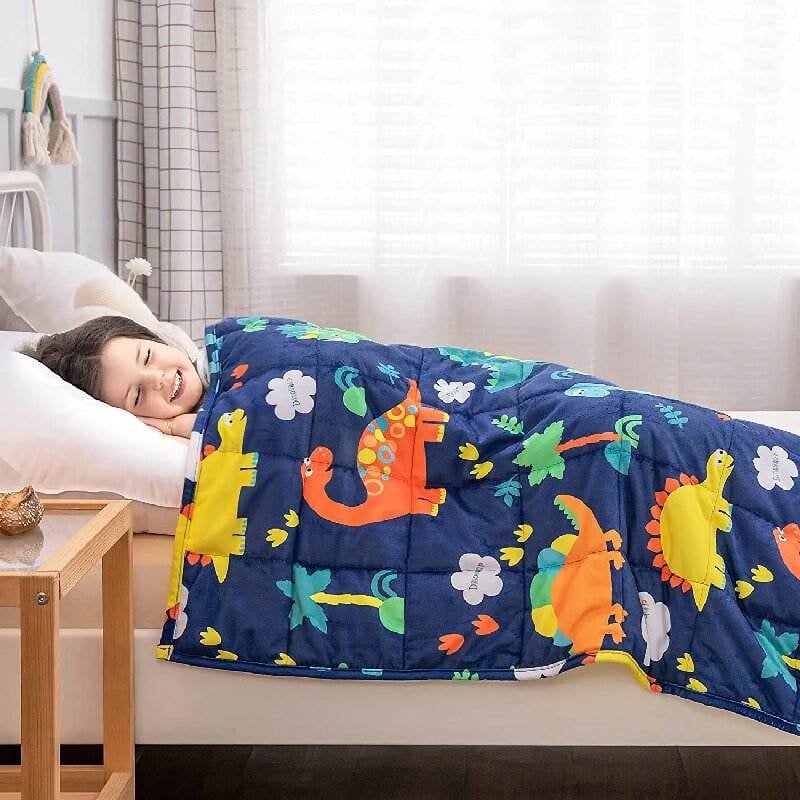
Many people struggle with insomnia, restlessness, and poor sleep patterns due to stress, anxiety, or sensory sensitivity. A weighted blanket addresses these challenges by creating a cocoon-like environment that calms the nervous system. However, not all weighted blankets are created equal, and choosing the wrong one can lead to discomfort and wasted investment. This guide walks you through the critical factors to consider when selecting a weighted blanket that aligns with your personal sleep needs and preferences.
The most important factor when choosing a weighted blanket is selecting the appropriate weight for your body. Most sleep experts recommend choosing a weighted blanket that equals approximately 10 percent of your body weight. For example, if you weigh 150 pounds, a 15-pound weighted blanket would be ideal. This percentage ensures the blanket provides therapeutic pressure without feeling restrictive or uncomfortable.
Your personal comfort preference also matters when selecting the right weighted blanket. Some sleepers prefer slightly heavier options for enhanced deep pressure sensations, while others feel more comfortable with a lighter weight. If you share your bed with a partner, consider their weight separately, as they may need a different weighted blanket. Testing a weighted blanket before purchase, if possible, helps ensure you find the perfect weight for your body and sleep style.
Proper coverage is essential for a weighted blanket to deliver its full therapeutic benefits. A weighted blanket should cover your entire body while allowing adequate material to tuck around your sides and feet. Standard sizes include twin, queen, and king options, each designed to fit specific bed dimensions. Choose a size that matches your bed so the blanket stays in place throughout the night without sliding off.
When choosing a weighted blanket, remember that oversized blankets may overheat your body, while undersized options won't provide complete coverage. If you're between sizes, consider your bed frame, mattress height, and personal preference for tucking the blanket around yourself. A properly fitted weighted blanket ensures consistent pressure distribution and prevents discomfort from pressure points.
The outer fabric of your weighted blanket significantly impacts comfort, durability, and temperature regulation. Breathable materials like cotton, linen, and cotton-polyester blends allow air circulation, preventing excessive heat buildup during sleep. When choosing a weighted blanket with quality fabric, you ensure better moisture-wicking properties and increased longevity. Microsuede and minky fabrics offer a soft, cozy feel but may retain more heat, making them better suited for cooler climates or seasonal use.
Hypoallergenic fabrics are important if you have sensitive skin or allergies. Natural fibers tend to be gentler on the skin and less likely to cause irritation compared to synthetic materials. When evaluating a weighted blanket, check the fabric composition and washing instructions to ensure it meets your hygiene and maintenance needs. High-quality stitching and reinforced seams prevent the blanket from deteriorating after repeated washing.
The filling inside a weighted blanket determines its weight, heat retention, and overall performance. Glass beads and plastic pellets are the most common filling materials, each offering distinct advantages. Glass beads provide better weight distribution and tend to be cooler, while plastic pellets may be more affordable but can generate more heat. When choosing a weighted blanket, consider the fill material's impact on temperature regulation, especially if you sleep hot.
Quality weighted blankets feature evenly distributed filling that prevents clumping and ensures consistent pressure across your body. Some designs include multiple chambers or compartments to keep the filling in place during use and washing. When selecting a weighted blanket, verify that the fill material is non-toxic, food-grade if applicable, and securely contained. This attention to fill quality directly affects the weighted blanket's effectiveness and lifespan.
A weighted blanket operates on the principle of deep pressure touch therapy, which activates the parasympathetic nervous system and promotes relaxation. This gentle pressure helps reduce the production of cortisol, the stress hormone, while increasing serotonin and melatonin levels. When choosing a weighted blanket designed for your sleep needs, you're investing in a tool that supports both mental and physical relaxation. Users often report falling asleep faster and experiencing fewer nighttime awakenings after using a weighted blanket consistently.
Research suggests that weighted blankets particularly benefit individuals with anxiety, ADHD, autism spectrum disorder, and PTSD. The constant, gentle pressure mimics the sensation of being hugged, which many people find deeply comforting. If you experience racing thoughts or physical tension before bed, a weighted blanket may help you transition into sleep more smoothly. The calming effect typically becomes more pronounced after several nights of use as your body adapts to the therapeutic pressure.
Consistent use of a quality weighted blanket can lead to measurable improvements in sleep architecture and overall rest quality. Over time, users often experience deeper REM sleep, reduced sleep fragmentation, and better emotional regulation during waking hours. When you choose a weighted blanket matched to your body and preferences, you create an ideal sleep environment that supports these long-term benefits. Many people report feeling more refreshed, alert, and productive during the day after improving their nighttime sleep with a weighted blanket.
The relationship between weighted blanket use and improved daytime functioning creates a positive feedback loop that strengthens over weeks and months. Better sleep quality supports immune function, cognitive performance, and emotional resilience. If you've struggled with chronic sleep issues, a weighted blanket represents a non-pharmaceutical approach to sleep enhancement. Tracking your sleep patterns and mood before and after introducing a weighted blanket helps you measure its personal impact.
The ideal weight for a weighted blanket is approximately 10 percent of your body weight. For someone weighing 150 pounds, a 15-pound weighted blanket would be appropriate. However, personal preference varies, and some people may prefer a slightly heavier or lighter option. It's recommended to test different weights if possible before making a final purchase decision.
Children can use a weighted blanket, but it should be age and weight-appropriate. Generally, weighted blankets are recommended for children ages 8 and older who weigh at least 50 pounds. The blanket should never restrict the child's ability to move freely or cover their face. Always consult with a pediatrician before introducing a weighted blanket to a young child, especially if they have any medical conditions or sensory sensitivities.
A weighted blanket should be washed every one to two weeks, depending on usage and personal hygiene preferences. Check the manufacturer's care instructions, as different materials and fill types require specific washing methods. Most weighted blankets can be machine washed on a gentle cycle with cold water, though some may need to be hand washed. Always allow the blanket to air dry completely before using it again to prevent mold and mildew growth.

2026/11/02
Struggling to choose the right living room rugs? Avoid costly mistakes with expert insights on size, material, durability, style & care. Get your perfect rug.

2026/11/03
Worried about infant falls during crawling? Discover how cushioned baby play mats absorb impact, and support motor development. Get expert safety tips now.

2026/11/04
Struggling with messy spills and tummy time needs? Discover waterproof, sensory, and tummy-time-optimized play mat surface. Compare materials now.

2026/11/05
Can a kids play mat reduce noise? Discover how thickness, foam density & full coverage deliver real acoustic relief. Get the guide.

2026/11/06
Why do kids slip on tile, laminate & polished wood? Discover how premium non-slip play mats anchor securely AND absorb impact. Boost safety.

2026/11/09
Tired of scrubbing stains and battling odors? Discover the 5 key kids play mat features—waterproof surfaces, washable covers, non-slip grip. See what makes maintenance effortless.

